
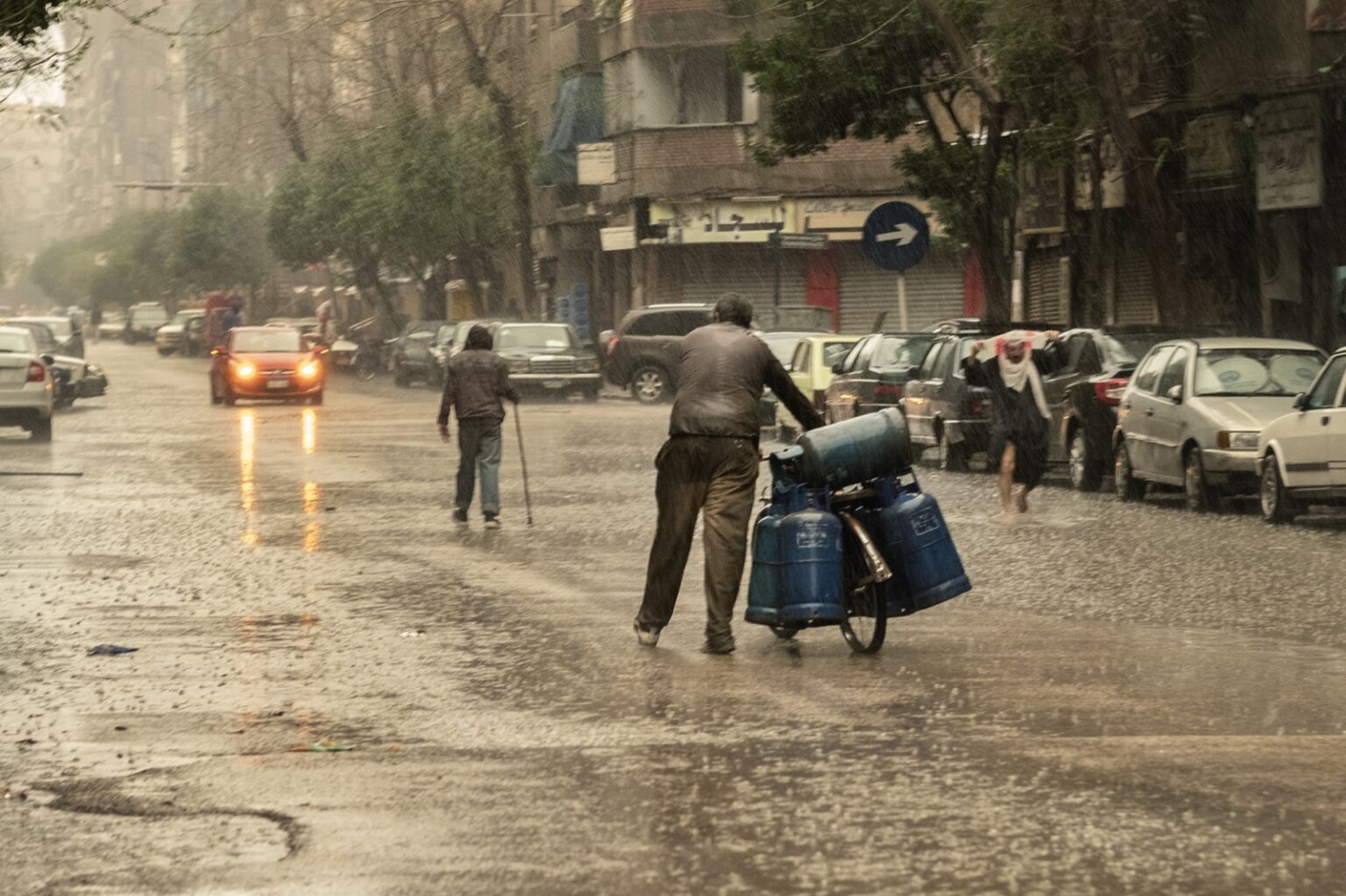

Egypt LPG imports this winter are set to cost about $875mn, up 94% from last winter, even though the country plans to buy slightly less of the cooking gas, a government official told Asharq Business.
The figures show how higher world energy prices are feeding into Egypt’s import bill for a fuel that millions of households use for cooking, as the state works to secure supplies through the peak winter months. The official said stocks in the local market were “safe and stable”.
How much will Egypt LPG imports cost this winter?
Egypt plans to import about 700,000 tonnes of liquefied petroleum gas (LPG), known locally as butagaz, over the four winter months from November to February, at a total cost of about $875mn, the official told Asharq Business, speaking on condition of anonymity.
Last winter Egypt LPG imports totalled about 720,000 tonnes, costing about $450mn, the official said. That means the bill is rising by about $425mn while volumes fall by about 20,000 tonnes, or 2.8%. On those figures, the average cost of an imported tonne roughly doubles, to about $1,250 from about $625.
The official said the planned contracts were meant to secure the local market’s needs and keep supplies regular during winter, when demand from homes and businesses rises.
Why are Egypt LPG imports so important?
LPG is used mainly for cooking in homes and restaurants, and for some water heaters and commercial activities, especially in areas not yet connected to the natural gas grid. Egypt consumes about 287.5mn cylinders a year, Petroleum Minister Karim Badawi said in September, and the government is extending piped gas to more homes to reduce reliance on cylinders.
A 12.5kg household cylinder costs 275 Egyptian pounds ($5) and a 25kg commercial cylinder 550 pounds ($10), after the government’s most recent price increase in March 2026, Asharq Business reported, at an exchange rate of 55 pounds to the dollar.
What is driving the higher Egypt LPG imports bill?
World energy prices have risen sharply this year as conflict in the Gulf has disrupted shipping through the Strait of Hormuz, a key route for LPG cargoes from Gulf producers. Egypt’s domestic gas output has also fallen, to about 3.6bn cubic feet a day in 2026 from close to 7bn in 2019, according to Asharq Business, increasing the need for imports.
The government has been working to clear its obligations to energy producers. President Abdel Fattah Al-Sisi said this week that Egypt had paid all arrears owed to oil and gas companies. The Ministry of Petroleum and Mineral Resources oversees the import programme and the expansion of household gas connections. DNE Africa has also reported on how disruption in Hormuz is raising costs for African importers.
What happens next?
The winter programme of Egypt LPG imports runs until February. The final cost will depend on world LPG prices and freight rates; Asharq Business reported this week that tanker costs for Gulf oil had fallen from their peak. Egypt has not announced any change to cylinder prices for the winter.
FAQ
How much will Egypt LPG imports cost this winter?
About $875mn for roughly 700,000 tonnes from November to February, according to a government official quoted by Asharq Business.
How does that compare with last winter?
Last winter Egypt LPG imports totalled about 720,000 tonnes for about $450mn, so the bill is up 94% for a slightly smaller volume.
Are LPG supplies in Egypt secure?
The official said quantities in the local market were “safe and stable” and the contracts aim to keep supplies regular through winter.
What does a gas cylinder cost in Egypt?
A 12.5kg household cylinder costs 275 pounds and a 25kg commercial one 550 pounds, after the March 2026 price rise.


