
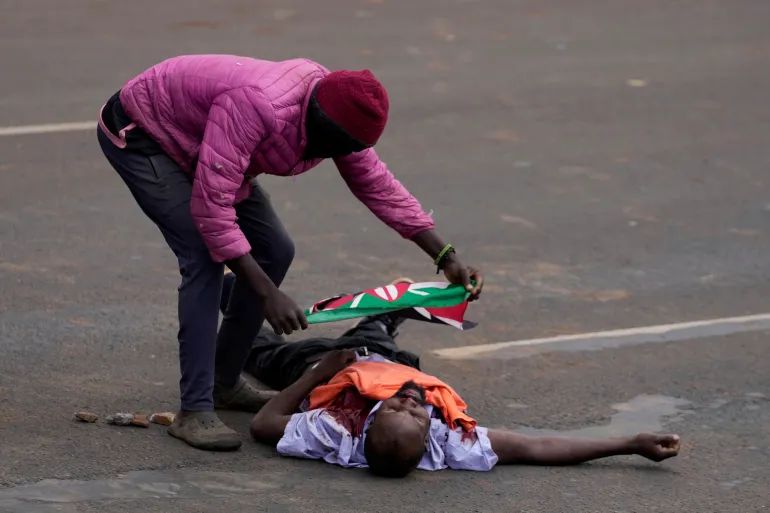

Kenya’s police forces are facing mounting criticism after the country’s independent police oversight body confirmed that at least 65 people were killed during anti-government protests held across June and July, raising fresh concerns about excessive force and human rights violations.
The report, issued Thursday by the Independent Policing Oversight Authority (IPOA), revealed that the majority of fatalities occurred during the “Saba Saba” demonstrations, which alone claimed 41 lives. The June protests accounted for 23 deaths, while one person was killed during a separate rally demanding justice for a teacher who died in police custody.
The findings point to systemic issues in the handling of public demonstrations by Kenyan law enforcement. According to the oversight body, authorities responded to largely peaceful protests with disproportionate force, treating them as riots rather than legitimate expressions of public dissent. In many cases, officers operated in both uniform and plainclothes without proper identification, and deployed tactics that undermined transparency and accountability.
Further, the report noted selective enforcement, alleging that security forces showed leniency towards pro-government demonstrations while using deadly force against anti-government gatherings. Unmarked vehicles, concealed identification tags, and the absence of visible ranks among officers were among the irregularities flagged.
In response to its findings, the oversight authority recommended a set of reforms aimed at ensuring greater accountability and protecting the constitutional right to peaceful assembly. These include the mandatory use of body cameras during crowd control operations, clear identification of officers in the field, and the establishment of independent mechanisms to investigate and prosecute abuses.
The revelations come at a time of heightened political tension in Kenya, with the opposition accusing President William Ruto’s government of failing to address public grievances related to the economy, youth unemployment, and governance. The recent wave of protests, some of which were led by student groups and civil society movements, has intensified scrutiny of the country’s security services and revived memories of past crackdowns on dissent.
Human rights organizations and legal activists have echoed the watchdog’s call for accountability, urging swift investigations into the deaths and assurances that those responsible will face justice. The IPOA’s report is likely to fuel ongoing parliamentary debates over police reform, as public confidence in law enforcement continues to erode.
As Kenya prepares for upcoming regional and local elections, observers warn that failure to address systemic police violence could undermine democratic participation and deepen political polarization.


