
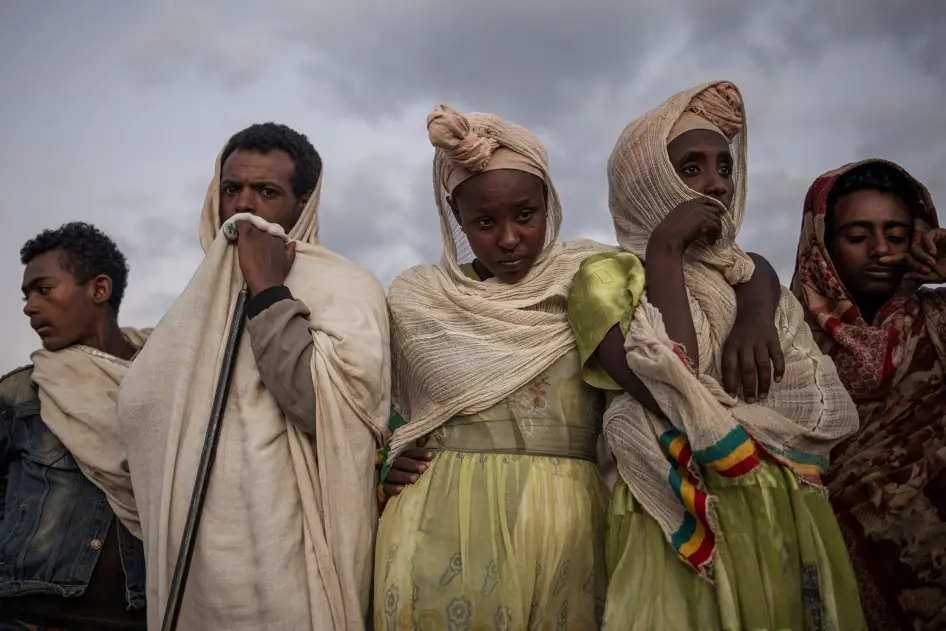

Ethiopia’s Amhara people — once the backbone of the nation’s political and cultural life — now face displacement, persecution, and armed conflict.
Over six decades, the Amhara have shifted from empire builders to targets of violence under successive Ethiopian regimes.
This explainer traces that journey — from Haile Selassie’s fall to Abiy Ahmed’s rise — revealing how power, identity, and violence have collided to reshape one of Ethiopia’s most influential communities.
The Big Picture
The Amhara are one of Ethiopia’s largest and most historically influential ethnolinguistic groups. But their status has changed dramatically since the 1970s — from central to the imperial state to marginalized and persecuted under new political systems.
1- Ethiopia Derg Regime (1974–1991): Revolution and Ruin
The 1974 overthrow of Emperor Haile Selassie brought the Derg, a socialist military junta, to power. The regime executed Haile Selassie and Patriarch Abune Tewophilos, head of the Ethiopian Orthodox Tewahedo Church — shattering Ethiopia’s historic institutions.
Soon after, it executed 60 senior imperial officials, mostly Amhara nobles and administrators, to eliminate the old elite and consolidate power.
The cost for ordinary Amharas
The Derg promoted itself as a pan-Ethiopian, anti-feudal movement, but its policies devastated Amhara communities. Land reform broke the old aristocracy but forced peasants into villagization, collectivization, and harsh conscription.
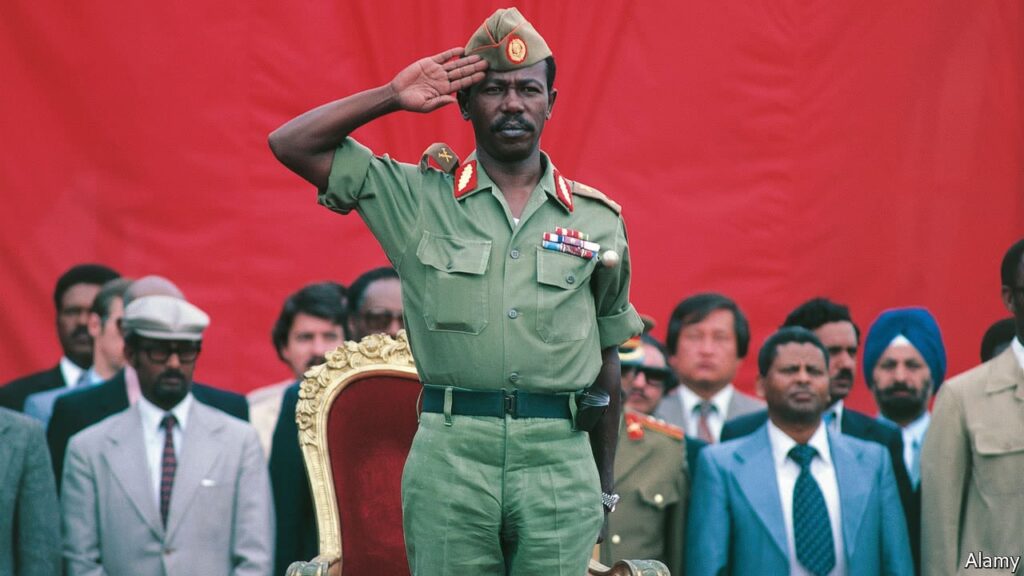
Thousands of young Amharas died in wars in Eritrea and Tigray. Combined with political purges and famine, the Derg’s rule left deep scars on the Amhara heartland.
The EPRDF Era (1991–2018): Marginalization Under Ethnic Federalism
After the Derg fell, the TPLF-led EPRDF introduced ethnic federalism under the 1995 Constitution. The Amhara were confined to the Amhara National Regional State, but power remained centralized in Tigray.
The Amhara National Democratic Movement (ANDM) was nominally part of the ruling coalition but had limited autonomy. The EPRDF portrayed Ethiopia’s centralization as “Amhara domination,” casting the group as historic oppressors rather than partners in state-building.
Early massacres and displacement
In 1992, militias linked to the Oromo Liberation Front (OLF) massacred hundreds of Amhara civilians in Arba Gugu (Arsi) and Bedeno (Eastern Hararghe). Victims were mutilated, buried in ravines, and forgotten.
Amhara activists, students, and civic leaders faced harassment and imprisonment for promoting Ethiopian unity. Displacement and targeted violence spread to Oromo, Benishangul-Gumuz, and southern regions.
Growing frustration
By the 2000s, Amhara discontent grew. Many felt politically sidelined and economically neglected in a system that deepened ethnic divides. The sense of exclusion and resentment became a defining feature of Amhara politics — and a precursor to future upheavals.
The Prosperity Party Era (2018–Present): Hope and Betrayal
When Abiy Ahmed came to power in 2018, he promised unity, reconciliation, and reform. His peace deal with Eritrea and release of political prisoners inspired hope — particularly among Amharas alienated under TPLF rule.
The turn to violence
That optimism quickly faded. Armed groups — especially in the Oromo region — launched waves of ethnic violence against Amhara civilians. The government was accused of ignoring or enabling the attacks.
While Abiy projected a reformist image abroad, Amharas faced escalating massacres at home.
Mass Killings and Displacement of Amhara (2018–2023)
From 2018 to 2023, systematic attacks on Amhara civilians spread across western and southern Ethiopia. Villages were burned, churches destroyed, and entire communities uprooted.
Notable atrocities
- Tole (Gimbi District, 2022): 400+ Amhara civilians killed.
- Hawa Gelan (Kelem Wollega, 2022): Dozens massacred.
- Gawa Qanqa (2020) and Anno Town (2023): Dozens of IDPs executed and buried in mass graves.
- Kiremu (2022): 25 people killed in extrajudicial executions.
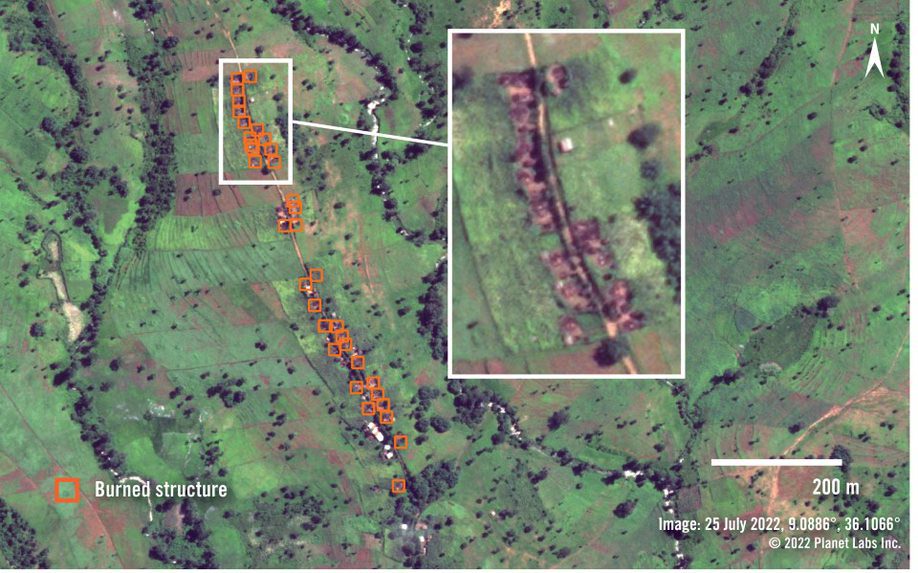
Attacks often followed the withdrawal or inaction of regional security forces.
By 2024, the UN estimated millions of internally displaced people across Ethiopia — with Amharas among the largest affected groups.
Mass Arrests and Crackdowns
From 2022 onward, the government imposed repeated states of emergency, granting broad arrest powers.
Thousands of Amhara activists, journalists, and suspected Fano sympathizers were detained without charge. Rights groups described the detentions as arbitrary and politically motivated, warning that repression could fuel more resistance.
The Tigray War and Its Aftermath (2021–2022)
During the Tigray war, Tigray Defense Forces (TDF/TPLF) invaded Amhara and Afar regions, committing atrocities including killings, looting, and sexual violence in Wollo, Gondar, and Shewa.
Amhara militias and Fano fighters mobilized in self-defense, fighting alongside federal troops. But after the Pretoria Agreement in 2022, tensions between the Amhara region and federal forces escalated sharply.
The 2023–2024 War on Amhara
In 2023, the government ordered the disarmament of Amhara Special Forces, triggering protests and armed clashes.
A state of emergency was declared in August 2023, and federal troops launched operations in Bahir Dar, Gondar, and Debre Markos.
Reports confirmed drone strikes and artillery shelling, killing civilians. Critics described the campaign as collective punishment, while the government framed it as a counterinsurgency against “extremists.”
For many Amharas, this marked “Abiy Ahmed’s war on Amhara.”
Faith, Trauma, and Resistance
The violence has devastated livelihoods and infrastructure. Unemployment has soared, schools have closed, and psychological trauma runs deep.
Attacks on churches and clergy have further politicized the Ethiopian Orthodox Tewahedo Church, while deepening anger across the Amhara region.
With no meaningful accountability, growing numbers have turned to armed resistance — viewing it as the only path to survival.
The Bottom Line
Under Abiy Ahmed’s Prosperity Party, the Amhara people face a convergence of political exclusion, ethnic violence, and repression unprecedented in modern Ethiopia.
Once the cornerstone of the Ethiopian state, the Amhara now find themselves alienated from it — caught between memory of power and the reality of persecution.
Despite repeated calls for independent investigations into massacres and unlawful detentions, accountability remains elusive, and the Amhara crisis deepens.


