
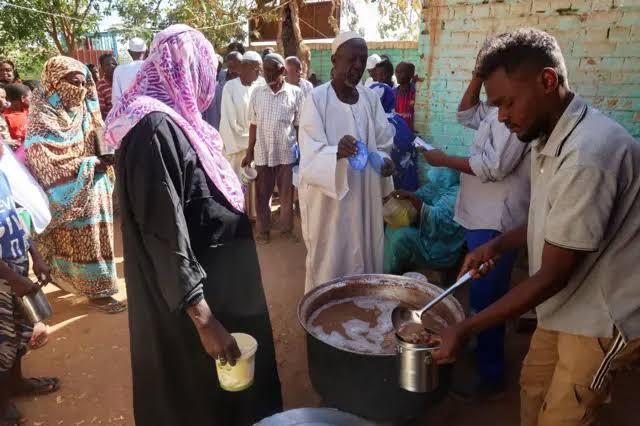

Sudan’s humanitarian crisis is deepening in North Darfur, where hunger and a deadly cholera outbreak are ravaging displaced communities—particularly children—amid ongoing violence and a near-collapse of basic services.
According to the United Nations Children’s Fund (UNICEF), over 640,000 children under the age of five are at risk of dying due to the combined threats of malnutrition, disease, and armed conflict. Cholera has spread rapidly in recent weeks, with over 2,140 reported cases—including nearly 300 infections among children—and at least 80 confirmed deaths since the first recorded case on 21 June 2025.
UNICEF described the surge as particularly alarming in Tawila town, which has absorbed more than 500,000 people displaced by fighting since April. Malnourished children are especially vulnerable to dying from cholera, the agency warned, with the rate of severe acute malnutrition doubling in the region over the past year.
In the besieged city of El Fasher, the capital of North Darfur, local sources reported that people are dying from hunger and acute malnutrition. Community-run kitchens have shut down due to the lack of supplies, forcing some residents to consume animal fodder in a desperate attempt to survive.
In East Darfur, the UN Office for the Coordination of Humanitarian Affairs (OCHA) warned that the Lagawa displacement camp, which shelters over 7,000 people, is suffering from a critical food shortage. Local doctors said ongoing fighting continues to block humanitarian access, depriving vulnerable families of food, clean water, and medical care.
“Although cholera is preventable and treatable, it is spreading fast in Tawila and elsewhere, threatening the lives of children—especially the youngest and most fragile,” said Sheldon Yett, UNICEF Representative in Sudan.
“Violence is escalating humanitarian needs faster than we can meet them. We continue to call for safe, unhindered access to reach children in urgent need. They cannot wait another day.”
UNICEF has also urged the Sudanese authorities and all parties to the conflict to facilitate safe, sustained humanitarian access to children and families across Darfur to avert further loss of life.
The growing health emergency comes as humanitarian resources are stretched thin. Child deaths from malnutrition, rising rates of gender-based violence, and the collapse of mental health services have been widely reported among Sudanese refugee populations.
The UN warns that without immediate global support, including funding and humanitarian access, North Darfur could face one of the deadliest public health disasters in recent history.


