
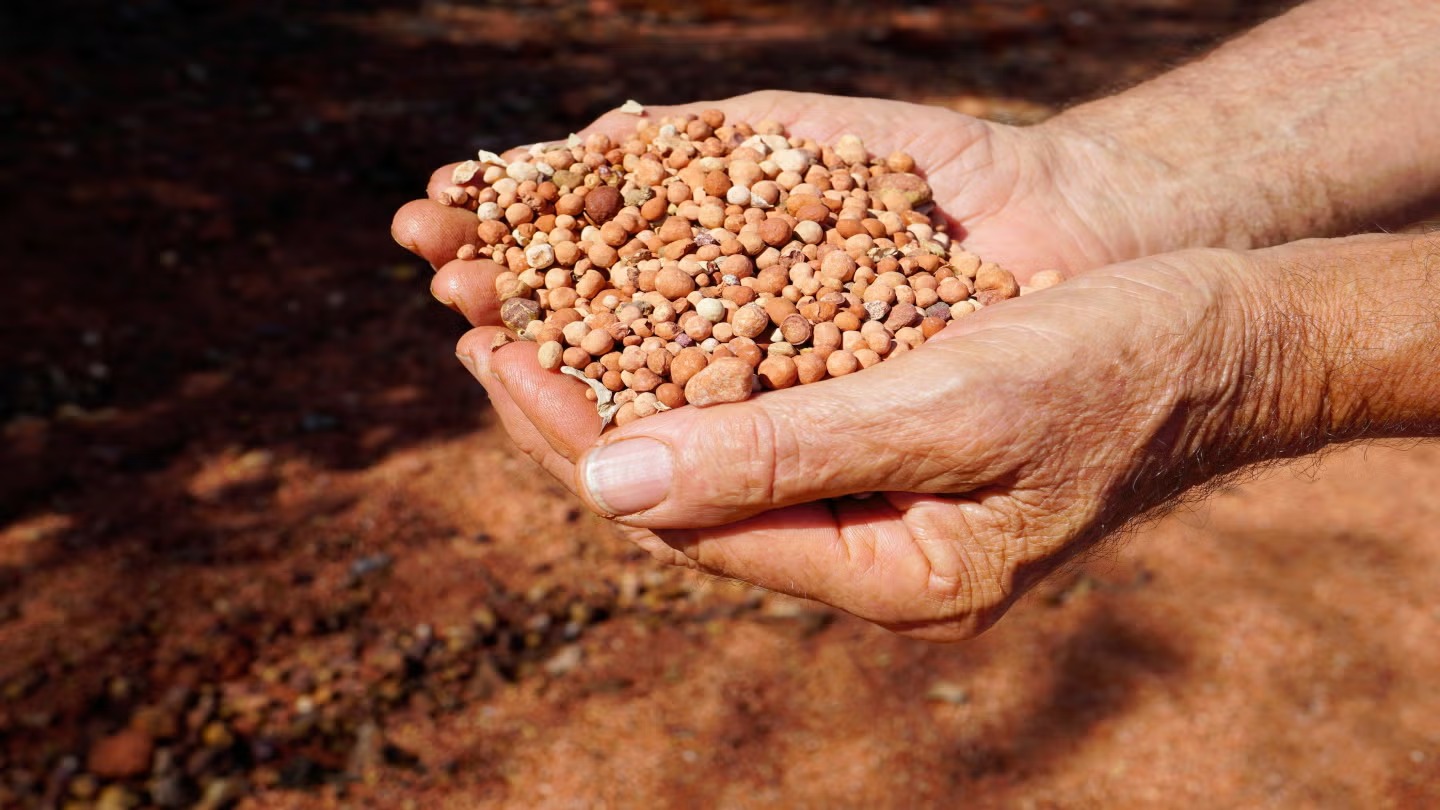

Guinea exported a record 48.6 million tonnes of bauxite in the first quarter of 2025, marking a 39% increase compared to the same period last year, according to official figures released by the Ministry of Mines and Geology.
The sharp rise in exports came despite new restrictions imposed earlier this year by the Guinean government on several mining companies operating in the sector. Analysts say the surge underscores the resilience and strategic importance of the country’s bauxite industry, particularly as demand from China continues to climb.
The ministry said 312 vessels carrying bauxite departed from the port of Conakry between January and March 2025, up from 255 vessels in the first quarter of 2024, which saw total exports of 34.9 million tonnes.
China’s demand fuels growth
The growth in shipments has been largely driven by rising Chinese demand for the raw ore used in aluminium production. China, the world’s top aluminium producer, recorded an output of 18.59 million tonnes in the first five months of 2025—an increase of 4% compared to the same period in 2024, according to the National Bureau of Statistics of China.
Since 2016, Guinea has become a key source of bauxite for Chinese aluminium companies. Industry experts say that weekly shipments from Conakry now average 3.7 million tonnes, highlighting the country’s growing role in global supply chains.
Forecasts suggest that Guinea’s total bauxite exports for the full year 2025 could reach 199 million tonnes, significantly up from 146 million tonnes recorded in 2024.
The figures also reinforce China’s dominant position in Guinea’s bauxite sector. In 2024, China imported 158.7 million tonnes of bauxite—70% of which originated from Guinea, which is now ranked as the world’s second-largest bauxite producer and the leading exporter to Chinese ports.
Infrastructure investment
In recent years, Guinea has invested heavily in upgrading port and road infrastructure to boost export capacity and keep pace with global demand. Officials say improving logistics will be essential to sustaining growth in the mining sector, which is a cornerstone of Guinea’s economy.


