
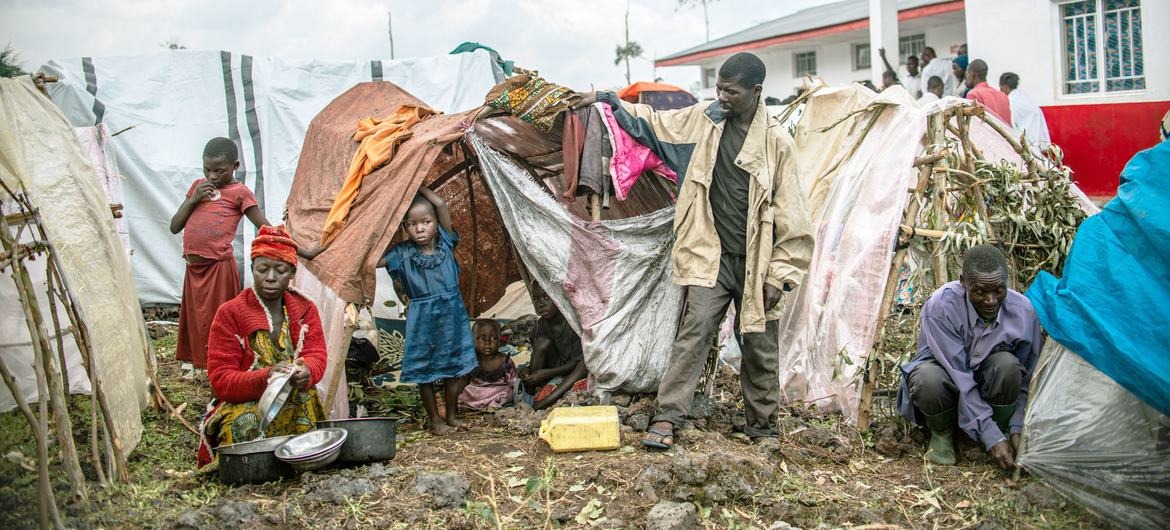

United Nations efforts to investigate serious human rights violations in eastern Democratic Republic of Congo are facing major delays due to a lack of funding, the UN’s top human rights official said on Monday.
Volker Türk, the UN High Commissioner for Human Rights, warned that budget cuts to humanitarian assistance have severely restricted the operations of investigative teams mandated by the UN Human Rights Council, preventing them from deploying effectively on the ground.
In a recent statement, Türk said the absence of adequate resources has not only obstructed the mission’s start but has also contributed to a climate of impunity in the volatile regions of North and South Kivu, where reports of sexual violence, particularly against women and girls, have been mounting.
“Without sufficient funding, our teams cannot fulfill their mandate. The perpetrators of these grave crimes feel emboldened by the lack of accountability,” Türk said.
Mandate stalled, accountability at risk
The independent Commission of Inquiry, established on February 7, 2025, during the UN Human Rights Council’s 37th special session, was tasked with probing violations following the M23 rebel group’s seizure of key cities, including Goma and Bukavu.
An initial budget of $3.9 million was allocated for the mission, but the effort to raise the full amount has stalled due to limited contributions from donor countries.
The financial shortfall has been compounded by a broader reduction in U.S. foreign assistance, and a reported $60 million decline in voluntary UN donations this year—an issue affecting crisis zones worldwide, with eastern Congo among the hardest hit.
Mounting abuses amid worsening conflict
Eastern Congo remains gripped by violence as multiple armed groups—including the Rwandan-backed M23 rebels—have been accused of committing atrocities such as extrajudicial killings, forced displacement, and widespread sexual violence.
UN reports and human rights organizations have issued repeated warnings about deteriorating humanitarian and security conditions, but the lack of robust investigative capacity has left many abuses unpunished.
Analysts say the delay in launching field missions risks further eroding trust in international mechanisms and undermining justice for victims of the years-long conflict.


