
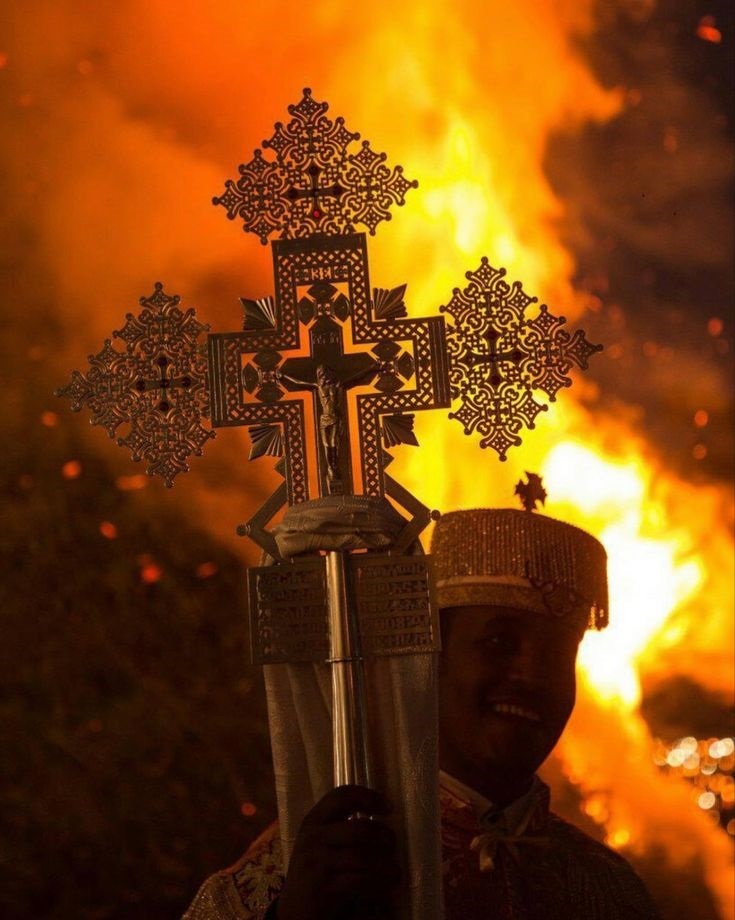

At least five members of the Ethiopian Orthodox Tewahedo Church were killed on Monday in a new attack in Merti district, located in Ethiopia’s Arsi Zone of the Oromia region, local sources confirmed.
The victims were reportedly working on teff farms when they were ambushed by armed men believed to be linked to the same group responsible for a mass killing last week. Among the dead were a husband, wife, and a neighbour, according to local witnesses.
Three individuals who had been missing since the previous attack were also found dead, bringing the total number of Orthodox Christian victims in the area to 33 since October.
A community under siege
Last week, 25 Orthodox Christians were killed in what residents described as one of the deadliest assaults in months. Local church representatives told DNE Africa that violence in Arsi has become increasingly targeted and brutal, with over 140 people reportedly killed since September in the Sherka district alone.
In a particularly tragic case, a child who survived last week’s attack underwent a leg amputation at a hospital in Wolaita after suffering severe gunshot wounds. His story has drawn widespread sympathy and outrage across Ethiopian social media platforms.
Conflicting official accounts
Authorities in the Oromia region have denied reports of killings, insisting that “no one was killed” and that the area remains “peaceful.” However, local clergy and residents accuse regional officials of ignoring or downplaying the scale of sectarian violence.
A representative of the Ethiopian Orthodox Tewahedo Church in Arsi told DNE Africa that more than 200 believers have been killed in Merti district over the past few years, calling for an urgent investigation and federal protection for vulnerable communities.
A rising pattern of religiously charged violence
The Ethiopian Orthodox Church—one of the oldest Christian institutions in the world—has repeatedly raised concerns about growing insecurity and targeted attacks in parts of Oromia.
Observers warn that continued violence against religious groups risks deepening Ethiopia’s already fragile social fabric, especially as the federal government struggles to contain multiple security crises across the country.


