

Addis Ababa, Ethiopia — Ethiopian health workers have embarked on a full-scale strike, escalating their demands for better wages and working conditions after a partial strike that began on May 12 failed to yield significant government action.
The strike highlights a deepening crisis within the country’s public health sector, driven by economic hardship, professional dissatisfaction, and a widening gap between Ethiopian medical workers and their counterparts in neighboring countries.
Ethiopian Health Workers Suffer from Severe Pay Disparities and Dire Living Conditions
Many Ethiopian health workers earn as little as $60 per month — often after a 35% tax deduction. Such wages leave some unable to afford basic necessities like food, housing, and transportation. “I pay $35 for rent. I eat twice a day and I live a miserable life,” said one health professional, speaking anonymously for fear of reprisal.
Another veteran medical worker, with over three decades of experience, shared: “I was a top student. I entered health care with high hopes. Today, I earn $57 a month. I have children to feed and I eat only once a day. This is not the life of a professional — it’s the life of someone who’s been forgotten.”
In stark contrast, junior general practitioners in neighboring Kenya earn over $1,500 a month — a more than twenty-fold difference that underscores the Ethiopian health workers’ demands.
Crackdown on Protest Leaders
The Ethiopian government’s response has been marked by repression. Over 100 medical professionals have been arrested, including Dr. Mahlet Guesh, a prominent physician who recently appeared on the BBC’s Focus on Africa to raise awareness about the profession’s plight. Her detention on May 14 has sparked further outrage among the medical community and rights groups.
A List of 12 Demands
Ethiopian health workers have presented a comprehensive list of 12 demands to the Ministry of Health, calling for systemic reforms, including:
- A starting salary of $1,000/month, fair working hours, and WHO-aligned overtime compensation.
- Improved rent, exposure, and risk allowances — especially for those falling ill while on duty.
- Market-based transport allowances or access to tax-free vehicles.
- Prompt overtime payments, with penalties for late disbursement.
- Legal protection from abuse, torture, intimidation, and workplace mistreatment.
- Free health services for professionals and their families, including medical travel support.
- Housing support or access to long-term, low-interest loans.
- Safer working environments and structured support for teaching and training.
- Legal action against individuals or media outlets spreading false, damaging claims about health workers.
- Establishment of international examination centers to help professionals qualify abroad.
- Merit-based leadership appointments in health institutions.
- Greater autonomy for the health sector through removal from civil service administration.
Widening Political Support
The movement has garnered support from several Ethiopian political parties, including Enat Party, All Ethiopia Unity Party, The Amhara Ghionians Movement, Ethiopian Peoples’ Revolutionary Party, and Ethiopia Citizens for Social Justice, signaling that the Ethiopian health workers strike has grown beyond a labor issue into a national concern.
A Public Health Emergency
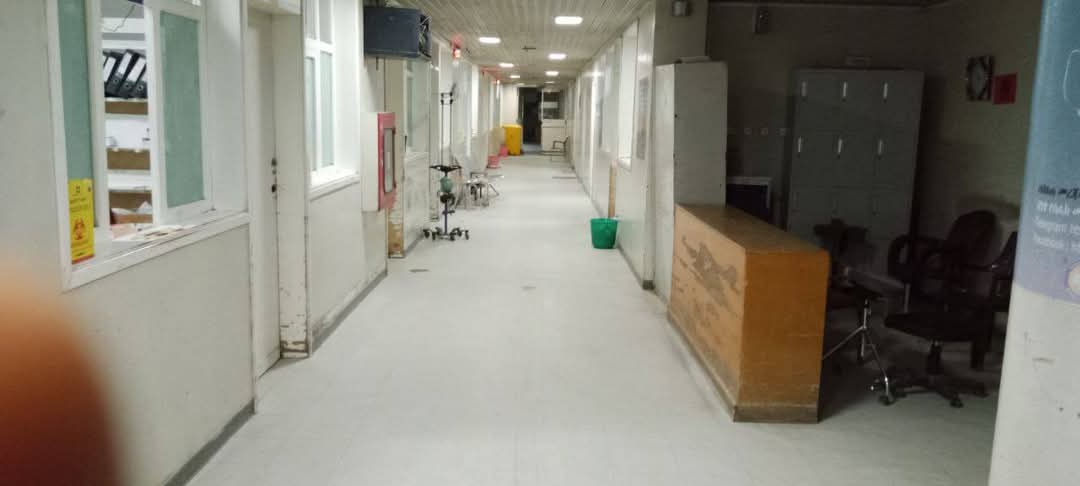
With hospitals and clinics now operating at minimal capacity, the strike has serious implications for Ethiopia’s already stretched healthcare system. Observers warn of worsening outcomes for patients and long-term damage to the sector unless a resolution is found quickly.
“This is no longer just a strike by professionals — it’s a public emergency,” said a union representative. “Health workers are hungry, overworked, and underpaid. If they can’t survive, the system can’t survive.”
International health organizations and human rights advocates are closely monitoring the situation, with growing calls for dialogue, transparency, and respect for workers’ rights.
Amnesty International earlier raised concern over what it described as a “crackdown” on Ethiopian health workers during the strike. In a statement shared with Addis Standard on 15 May, the organization said healthcare workers were being “arbitrarily rounded up” by security forces in multiple locations across Ethiopia.


