

South Africa’s Department of Science, Technology and Innovation (DSTI) met 89% of its annual targets and spent 99.7% of its R9.4bn budget in 2025/26, its DSTI annual report presentation to Parliament showed on Wednesday.
The department also received a clean audit for the sixth year in a row, it said, as the DSTI annual report sets out plans to spread research money beyond the big universities to rural areas and former homelands.
What does the DSTI annual report show?
Deputy Minister Nomalungelo Gina presented the 2025/26 report to the National Council of Provinces’ Select Committee on Education, Sciences and Creative Industries, according to a statement from the department. It is the first annual report under the government’s new five-year strategic plan. Most of the R9.4bn ($520mn) went to science councils, research infrastructure and the training of researchers and students, the department said.
During the year 1,976 PhD students received bursaries, 86% of them black and 59% women, and another 4,273 earlier postgraduate students were funded, the department said. It gave research grants to 3,355 researchers, including 708 black women emerging researchers.
How is South Africa spreading science spending?
Ms Gina said the department was prioritising “spatial transformation to reverse the apartheid legacy of significant under-investment” in science and innovation in rural areas and former homelands.
The DSTI annual report says 730 black emerging farmers in more than 40 districts received technology and innovation support, more than double the target of 300. A digital tool that turns climate, soil and satellite data into crop-planning reports was shown to smallholders in Mthatha, Eastern Cape, and is being extended to 11 districts in KwaZulu-Natal, the department said. It also supported 20 living labs in rural and township areas, and about 800 local innovators took part in 34 training programmes and challenges.
Other projects listed in the DSTI annual report include automated refill stations in Diepsloot, Gauteng, where households buy cooking oil, maize meal and sugar in their own containers, and biodegradable mulch films tested with farmers in Peddie, Eastern Cape. The department also hosted two G20 science and innovation meetings during South Africa’s presidency of the group, at the universities of the Free State and Mpumalanga.
What does the DSTI annual report say about astronomy?
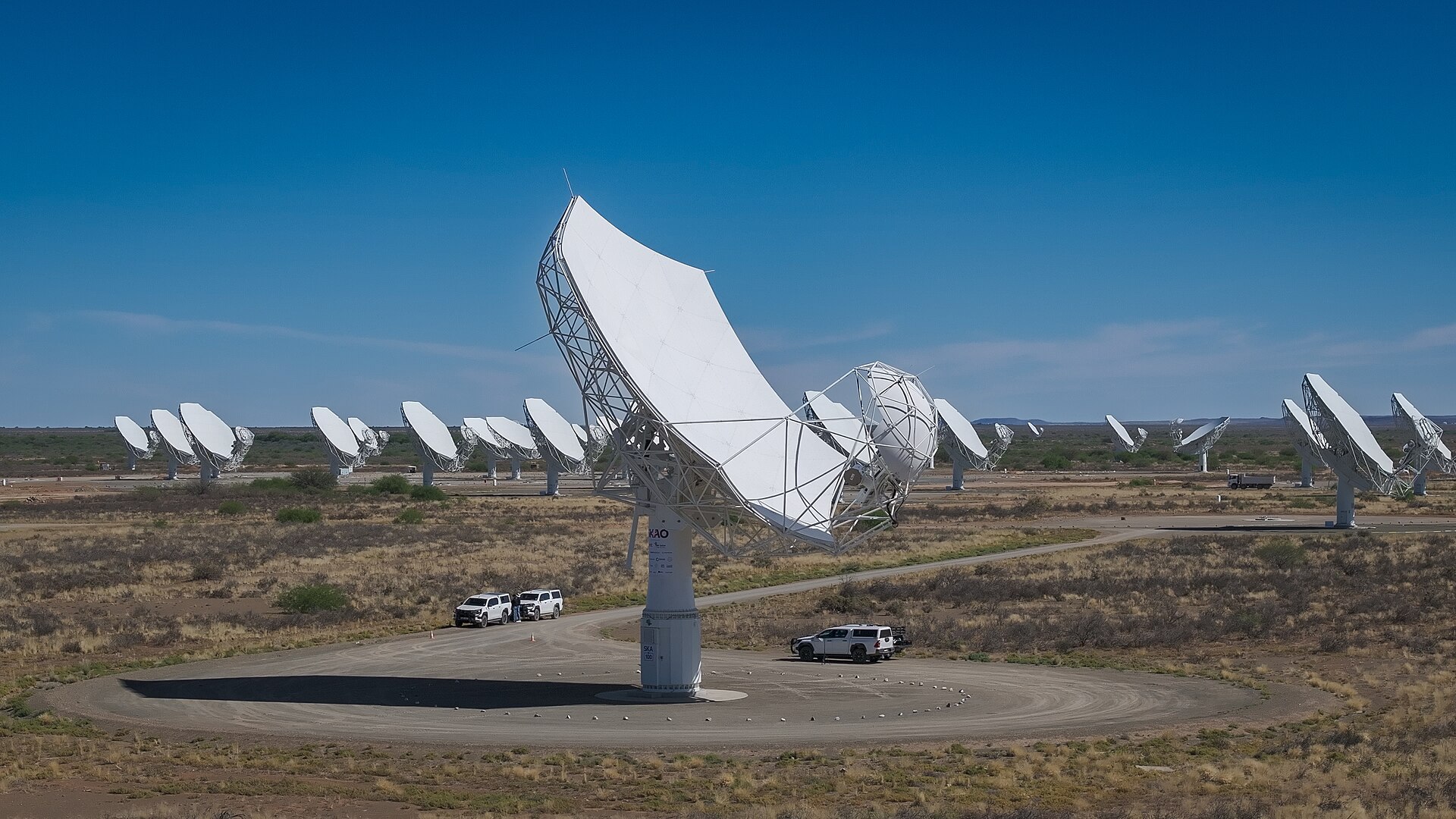
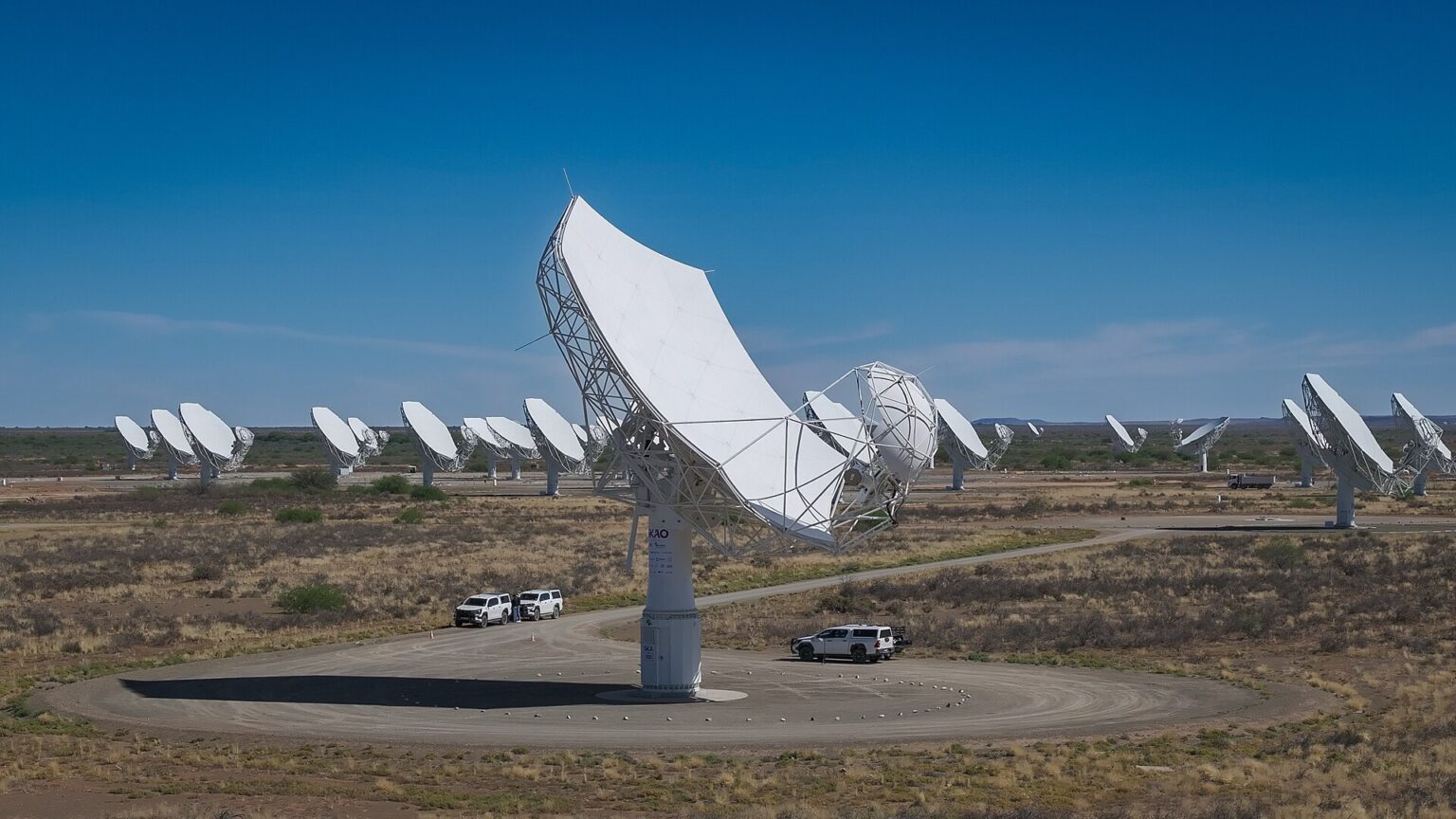
The SKA-Mid telescope in the Northern Cape recorded its first signals, known as first fringes, in January 2026, and South Africa’s MeerKAT telescope was linked to the European VLBI Network for the first time to image plasma jets from a supermassive black hole, the department said. SKA-Mid is the South African part of the Square Kilometre Array, an international radio telescope being built in South Africa and Australia.
Limpopo’s Lapalala Wilderness was declared an International Dark Sky Park in September 2025, and astro-tourism guides are being trained in the Northern and Western Cape, according to the department.
The department’s statement gave no breakdown of spending by province. Under its global change programme, the department has set up centres at eight rural and historically disadvantaged universities to support provinces, municipalities and farmers. It has also placed a champion in each district under the government’s District Development Model.
The department’s science agenda now includes artificial intelligence, after President Cyril Ramaphosa gave an AI delegation 90 days to deliver proposals this month.
FAQ
What is in the DSTI annual report?
The 2025/26 report says the department met 89% of its targets, spent 99.7% of its R9.4bn budget and received a clean audit for the sixth year running.
How many PhD students did the DSTI fund?
1,976 PhD students received bursaries, 86% of them black and 59% women, according to the department.
Who presented the report?
Deputy Minister Nomalungelo Gina, to the National Council of Provinces’ Select Committee on Education, Sciences and Creative Industries.


