
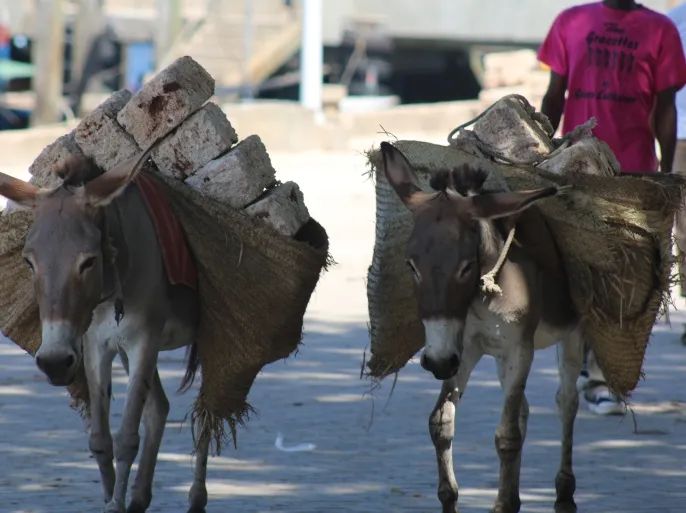

A booming global trade in donkey skins, driven by high demand from China, is placing immense strain on rural communities across Africa. In nations like Kenya, where donkeys are vital for daily life and economic survival, their widespread theft and slaughter is deepening poverty and disrupting families.
At the heart of this crisis is ejiao, a traditional Chinese remedy made from donkey-hide gelatin. With China’s own donkey population in steep decline, traders have turned to Africa to meet growing demand. According to The Donkey Sanctuary, a leading animal welfare group, around six million donkeys are killed each year to supply this market. The trade has grown rapidly, often operating through informal or illegal networks.
In many African villages, donkeys are indispensable. They are used to fetch water, transport goods, carry farm produce, and even assist with school commutes and household chores. Their loss can be devastating. In Kenya, data shows that when a family’s donkey is stolen, household income can drop by over 70%, forcing children—especially girls—to leave school to take on physically demanding tasks. Women are hit hardest: reports reveal that up to 90% of donkey theft victims are women, whose daily routines rely on these animals.
Despite its scale, the trade remains poorly regulated. Criminal networks often operate with impunity, taking advantage of weak enforcement and limited oversight. Many donkeys are captured and transported in horrific conditions before being slaughtered for their skins.
A 2024 report titled “Donkeys Stolen, Futures Stolen” warns that the trade is undermining Africa’s progress toward critical development goals—particularly those tied to poverty reduction, education, and gender equality. As the donkey population dwindles, entire communities are being pushed further into hardship.
The Global Reach of the Crisis
The problem extends beyond Africa. In Brazil, the donkey population has collapsed by 94% over the past three decades, a stark warning of what could lie ahead for Africa if the trade continues unchecked.
Concerned by these trends, African leaders and activists convened in Côte d’Ivoire last month for the First African Donkey Conference, where they called for urgent, coordinated action. Speakers stressed that protecting donkeys is not just about animal rights—it’s about safeguarding human welfare, especially in remote, underserved communities.
Advocacy groups are calling on African governments to ban the export of donkey skins, crack down on illegal slaughterhouses, and invest in alternative livelihoods for rural families.
“Donkeys are not just animals—they’re workers, companions, and lifelines,” said one delegate. “This is a crisis of survival for both the animals and the people who depend on them.”
Unless strong measures are taken, millions of Africa’s donkeys could disappear—along with the hopes and stability of the communities they support.


