
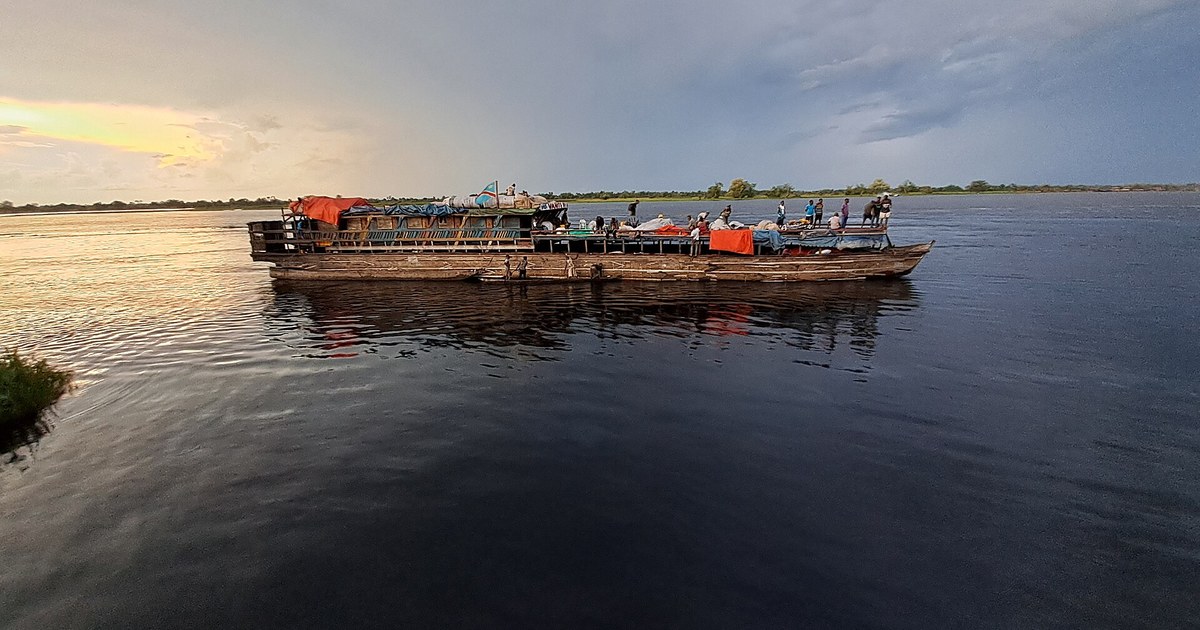

DR Congo has allowed wooden Congo River boats back on the water for three months, cargo only, reversing a ban imposed on 15 November after boat owners went on strike and river towns warned of shortages.
The climbdown by Jean-Pierre Bemba, the deputy prime minister and transport minister, shows how hard it is to clear Congo River boats made of wood from a waterway where they carry much of the food and goods reaching inland towns, even after a run of deadly sinkings.
What did Bemba decide about Congo River boats?
In a ministerial decree signed on Friday 20 November, Bemba authorised wooden whaleboats to sail on the Congo River for three months in “cargo format”, with crews of no more than 10, local outlets including Actualite.cd and Netic-News reported on Saturday (in French). Sailing is allowed only between 06:00 and 18:00, life jackets are compulsory and boats must respect their maximum tonnage, the transport ministry said in the decree.
The ministry said the exemption was needed to preserve, on an exceptional and transitional basis, local routes essential to people’s mobility, and that it responded to complaints from boat owners. It stays in force until metal whaleboats are deployed to replace the wooden fleet, takes effect from the date of signature and repeals earlier provisions that contradict it.
Why were the Congo River boats banned?
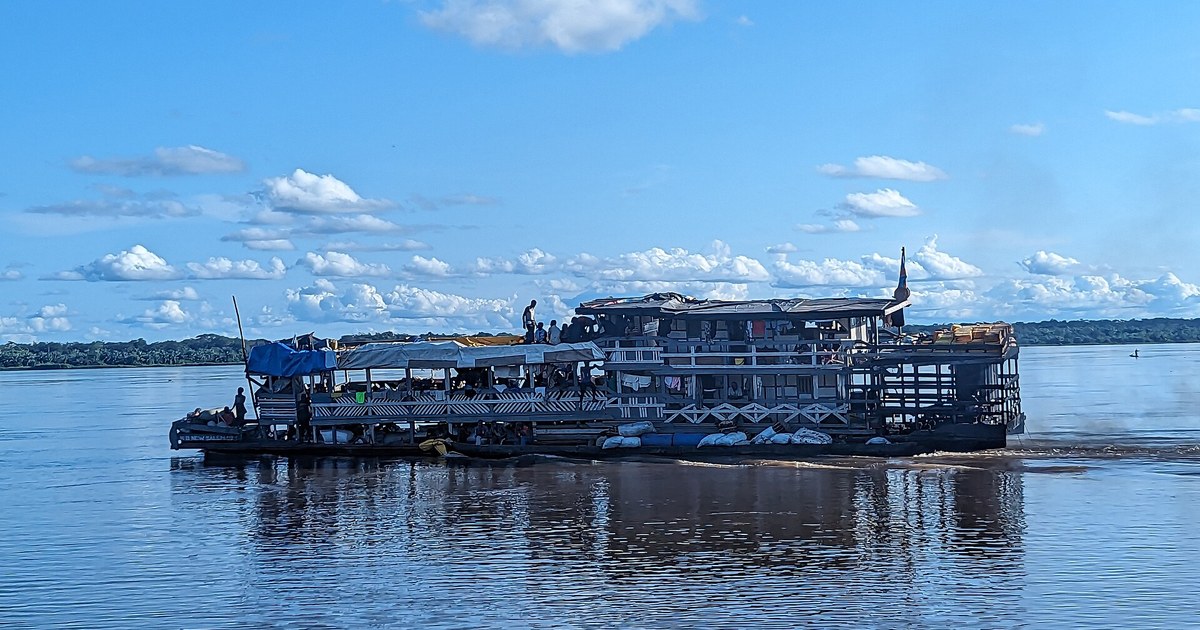
The government banned wooden boats from the river, its tributaries and the country’s lakes after a series of shipwrecks. A decree signed on 10 November confirmed the ban on the Congo River from 15 November and allowed wooden boats to keep working for three months only on inland rivers, within a single province and by day, according to the ministry’s text reported by local media. Interprovincial routes on the river stayed closed to them. Bemba had earlier rejected calls for a moratorium.
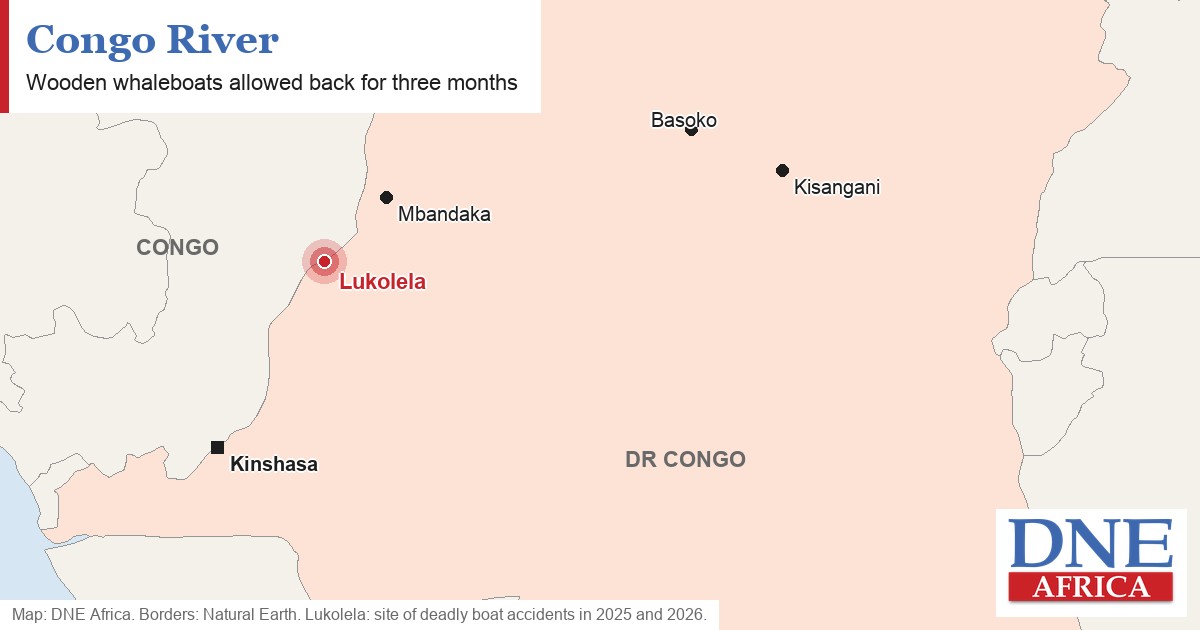
The death toll on Congo River boats explains the pressure. At least 193 people died in two boat accidents in Equateur province in September 2025, one involving a boat carrying nearly 500 passengers that caught fire and capsized near Lukolela, officials said at the time. In October 2026 a collision between motorised wooden boats near Lukolela killed at least 30 people, with dozens missing, according to the provincial interior minister. Overloading and night sailing are often blamed. DNE Africa has reported earlier disasters such as the shipwreck that killed at least 25 in western DR Congo.
What did the ban do to river towns?
Owners of wooden boats went on strike on 16 November, saying three months was too short to replace their fleets and demanding 12 months. In Tshopo province none of the five whaleboats that usually serve Basoko, more than 200km from Kisangani, made their scheduled trips that day, residents told local media, and traders in Kisangani feared price rises as metal boats still operating charged more.
Provinces along the river had asked for a year’s delay before the ban took effect, Oeil d’Afrique reported, and local officials warned that districts that depend on the river for supplies risked running short, according to Actualite.cd. The new decree goes some way towards them but keeps passengers off wooden boats.
What happens next?
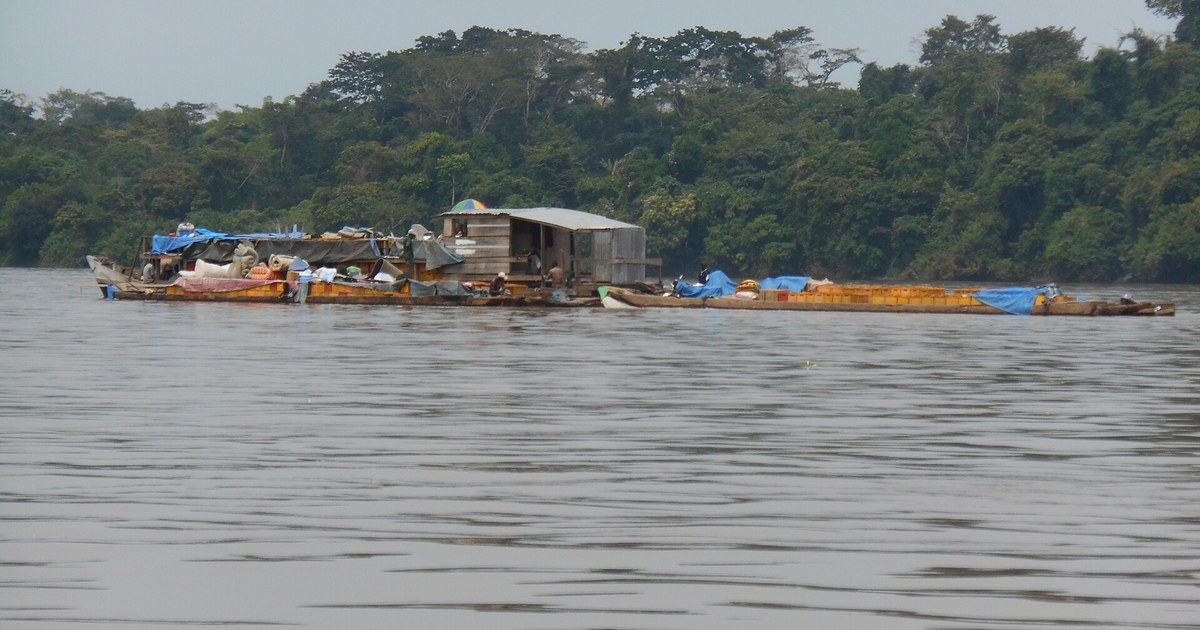
The three-month window runs to around late February 2027. The government has not published a timetable or financing plan for the metal boats meant to replace wooden Congo River boats, and it has not said whether owners will get help to buy them. Whether the strike ends will depend on whether owners accept cargo-only sailing for three months instead of the 12 months they asked for.
FAQ
Are wooden Congo River boats allowed again?
Yes, for three months under a decree signed on 20 November, but only to carry cargo, with crews of up to 10 and sailing between 06:00 and 18:00.
Why did DR Congo ban wooden Congo River boats?
The government cited repeated shipwrecks with heavy loss of life, including accidents in Equateur province that killed at least 193 people in September 2025.
Can passengers travel on wooden boats?
The decree allows wooden whaleboats only in cargo format, with crews of no more than 10, according to local reports of its text.
What will replace the wooden boats?
The government says metal whaleboats will replace them, but it has not published a timetable or funding plan.


