
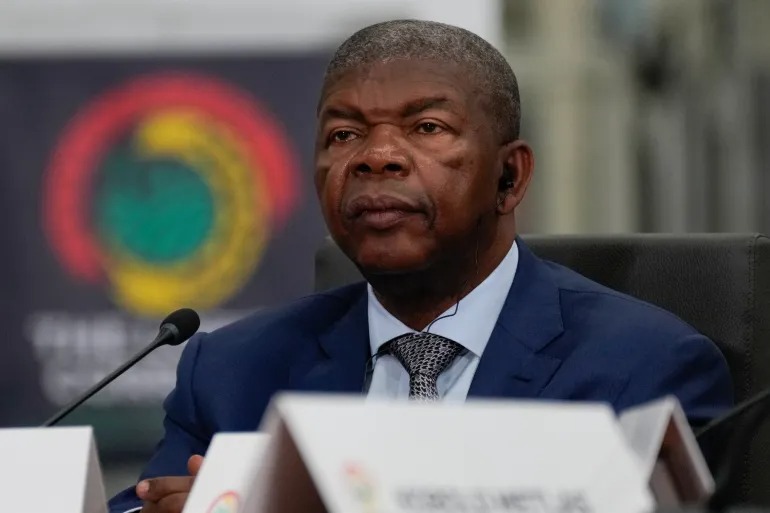

Angola is witnessing a gradual return to calm after days of violent unrest triggered by a controversial fuel price hike. However, the government’s response to the protests has come under increasing scrutiny following the deaths of at least 30 people and the arrest of over 1,200 demonstrators.
In a televised address, President João Lourenço defended his administration’s actions and commended the police for their response, despite the mounting casualties. “We cannot continue to bear more pain and loss among Angolans,” he said, while offering condolences to the victims’ families.
Lourenço condemned the violence as the work of “irresponsible citizens manipulated by foreign actors through social media.” While praising the police, judiciary, and healthcare workers for their roles during the crisis, he acknowledged ongoing social challenges and pledged to accelerate development and job creation. However, he stopped short of addressing the root cause of the unrest—the government’s decision to increase fuel prices as of July 1.
Meanwhile, the Angolan Criminal Investigation Service announced the arrest of Rodrigo Luciano Katimba, deputy head of the New Taxi Drivers’ Alliance. He faces multiple charges including inciting violence, rebellion, promoting criminal activity, and terrorism.
Katimba is accused of helping organize the initial taxi driver strike, which escalated into widespread demonstrations marked by rioting and looting in cities including the capital, Luanda.
Rights groups and opposition parties have condemned the security forces’ handling of the protests. In a joint statement, they blamed the authorities for the deaths, arguing that the looting reflects “the extreme poverty and hunger” facing the majority of Angolans. “The public’s anger is justified, but it does not justify the killing of unarmed civilians,” the statement said.
Interior Minister Manuel Homem maintained that the national security situation is “stable and under control,” though tensions persist in several areas.


