
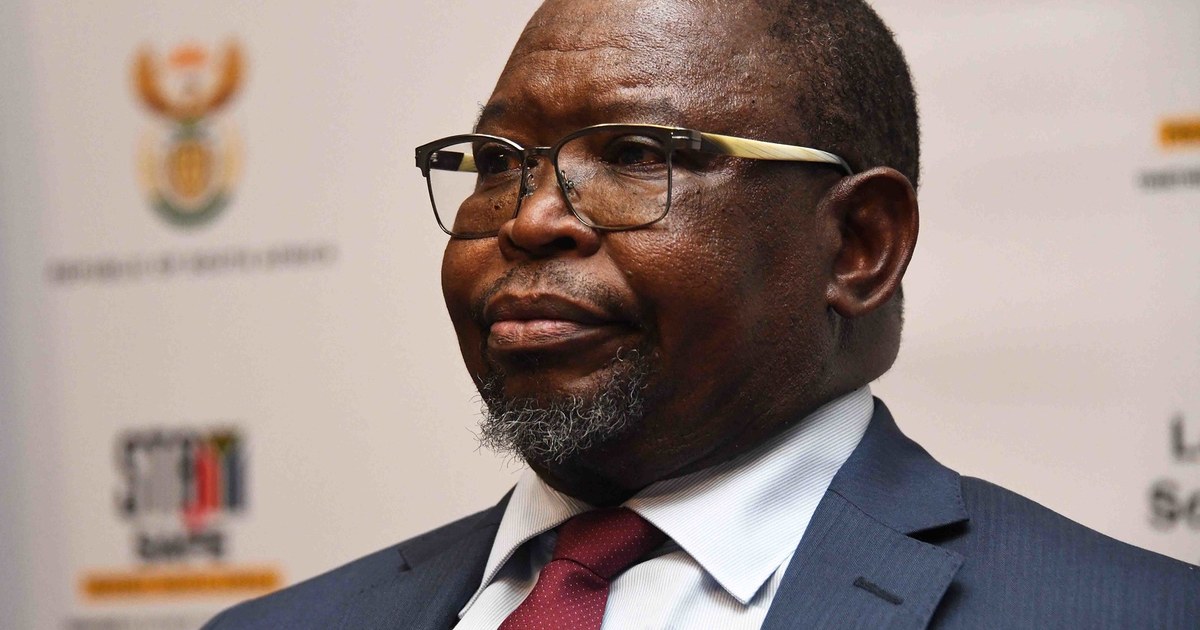

S&P Global Ratings raised South Africa’s long-term foreign-currency credit rating to BB+ from BB on 27 November, lifting the South Africa credit rating to its highest level since 2017 and one notch below investment grade.
The agency also lifted the long-term local-currency rating to BBB- from BB+, which puts rand-denominated government debt back in investment grade on S&P’s scale, according to the National Treasury. It is the second S&P upgrade in just over a year, and it comes as the government tries to show that its debt has peaked after more than a decade of downgrades.
What did S&P change in the South Africa credit rating?
S&P raised three ratings on Friday, according to the National Treasury, which published the government’s response to the decision. The long-term foreign-currency rating moved to BB+ from BB, the long-term local-currency rating to BBB- from BB+, and the short-term local-currency rating to A-3 from B.
The outlook was changed to stable from positive, which means S&P does not signal a further move in the near term. The Treasury said the foreign-currency rating is now the highest since 2017 and the second-highest S&P foreign-currency rating among sovereigns in sub-Saharan Africa.
The previous step came in November 2025, when S&P raised the foreign-currency rating to BB from BB- and the local-currency rating to BB+ from BB. The agency affirmed those ratings in May 2026 and kept a positive outlook.

Why did S&P upgrade South Africa?
S&P based the South Africa credit rating decision on fiscal results that have continued to beat budget targets, according to the Treasury’s summary of the rating action. The agency expects the government to record its fourth consecutive annual primary budget surplus, meaning revenue above spending before interest payments, in the 2026/27 fiscal year.
It projects government debt to fall from 76.2% of GDP in 2025/26 to 72.3% by 2029/30. S&P said fiscal consolidation would continue “despite the conflict in the Middle East having affected real GDP growth in 2026”, BusinessDay reported. The stable outlook balances further fiscal gains against the risk of higher energy costs linked to that conflict, the agency said.
Growth remains the weak point. S&P forecasts real GDP growth of 1.3% in 2026 and 1.4% in 2027, averaging 1.9% in 2028-2029. That is close to the view of IMF staff, who in their South Africa IMF review on 24 November projected 1% growth for 2026 and gross government debt of 74.1% of GDP, and said faster reforms in electricity, freight logistics and the labour market could lift growth to 4%.
What does the South Africa credit rating upgrade mean for borrowing costs?
The government says the upgrade should make borrowing cheaper. “We still have work to do, but South Africa is now firmly on the path back to an investment grade rating, for the first time in more than a decade,” said Duncan Pieterse, the National Treasury’s director-general.
He said two S&P upgrades in just over a year showed progress in restoring the public finances and rebuilding fiscal credibility. Better ratings could lower borrowing costs for the government, businesses and households and reduce the cost of capital for infrastructure, Pieterse said.
The upgrade came on the same day Johannesburg’s Top 40 index passed 100,000 points.
What happens next for the South Africa credit rating?
The foreign-currency rating, which matters most for dollar borrowing, is still sub-investment grade at all three major agencies. Moody’s rates South Africa Ba2, two notches below investment grade, and revised its outlook to positive in May 2026. Fitch upgraded South Africa to BB in June and is scheduled to announce its next review on 11 December, BusinessTech reported.
Neither S&P nor the Treasury has given a timetable for returning the South Africa credit rating on foreign-currency debt to investment grade. Pieterse’s “work to do” points to the gap that remains: S&P’s own forecasts put growth below 2% a year until the end of the decade.
FAQ
What is South Africa’s credit rating from S&P now?
The South Africa credit rating from S&P is now BB+ for long-term foreign-currency debt and BBB- for long-term local-currency debt, with a stable outlook, after the upgrade on 27 November 2026, the National Treasury said.
Is South Africa’s credit rating investment grade?
Only partly. The local-currency rating of BBB- is investment grade on S&P’s scale, but the foreign-currency rating of BB+ is one notch below it. Moody’s (Ba2) and Fitch (BB) also rate South Africa below investment grade.
Why did S&P raise the South Africa credit rating?
S&P cited fiscal results that beat budget targets, an expected fourth consecutive primary surplus in 2026/27 and a forecast fall in government debt to 72.3% of GDP by 2029/30.
When is the next rating decision on South Africa?
Fitch is scheduled to announce its next review of South Africa on 11 December 2026.


