
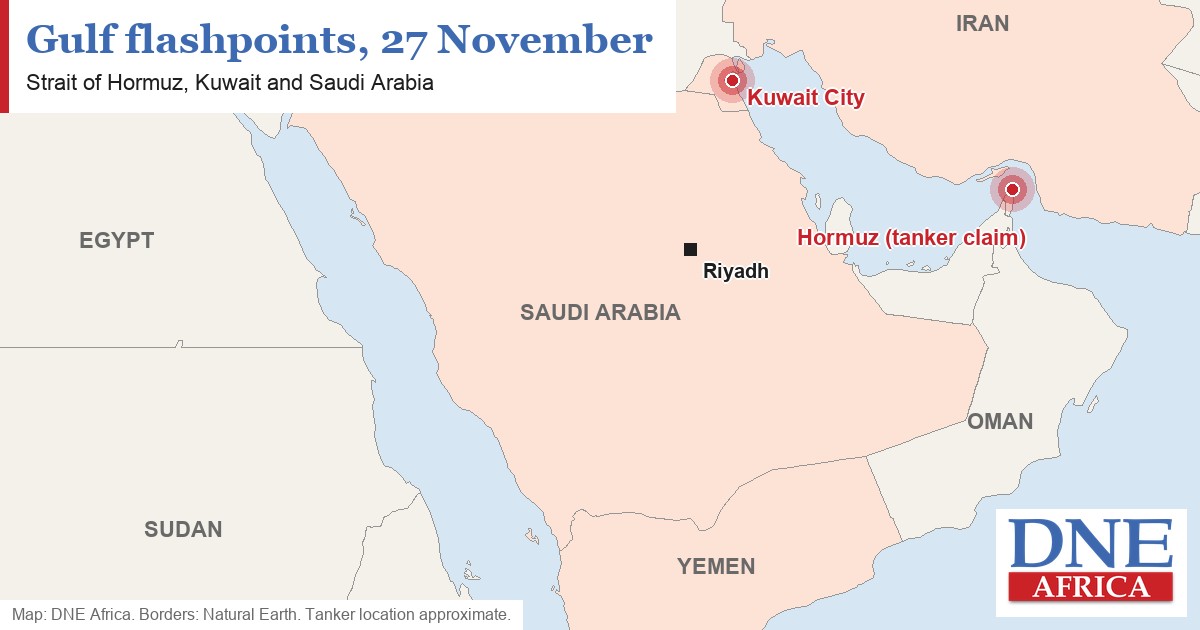

World news today is led by Iran’s Revolutionary Guards, who said on Friday that an oil tanker struck a naval mine and exploded in the Strait of Hormuz while using what they called an unauthorised route.
The claim, which could not be independently verified, came as Kuwait summoned Iran’s ambassador over a deadly drone attack and Saudi Arabia’s allies in the Mecca defence pact met in Islamabad to pledge support against Houthi attacks.
In brief
- The IRGC navy said one of two tankers trying to pass north of Oman’s Umm al-Ghanam island hit a mine and exploded, and the other turned back, Iran’s Mehr news agency reported.
- Kuwait’s foreign ministry said it summoned Iran’s ambassador, Mohammad Totonchi, and handed him a protest note over Thursday’s drone attack that killed two Italians; Iran denies any role.
- Pakistan, Turkey and Saudi Arabia condemned Houthi attacks on the kingdom and pledged to speed up support under their defence pact, according to a joint statement.
What did Iran say happened in the Strait of Hormuz?
The navy of Iran’s Islamic Revolutionary Guard Corps (IRGC) said in a statement on Friday morning that two oil tankers were attempting a “covert passage” through an unauthorised route north of Jazirat Umm al-Ghanam, an island off Oman’s Musandam peninsula, when one struck a naval mine and exploded. “The other tanker was forced to turn back,” the statement said, according to Mehr, a state-affiliated agency.
The IRGC did not name the ships, give a flag or say whether anyone was hurt. It said tankers using unauthorised routes had “sharply declined” in recent days. No independent confirmation of the incident was available when this was published. The US military has disputed several earlier IRGC mine claims.
Speaking before Friday prayers in Tehran, the commander of Iran’s regular navy, Rear Admiral Shahram Irani, said the strait would stay shut on the orders of Iran’s Supreme Leader. “The order is for the Strait of Hormuz to remain closed,” he said, according to Mehr. He also claimed that Iranian commandos had taken back two tankers seized by US forces during the war, a claim US officials have not addressed.
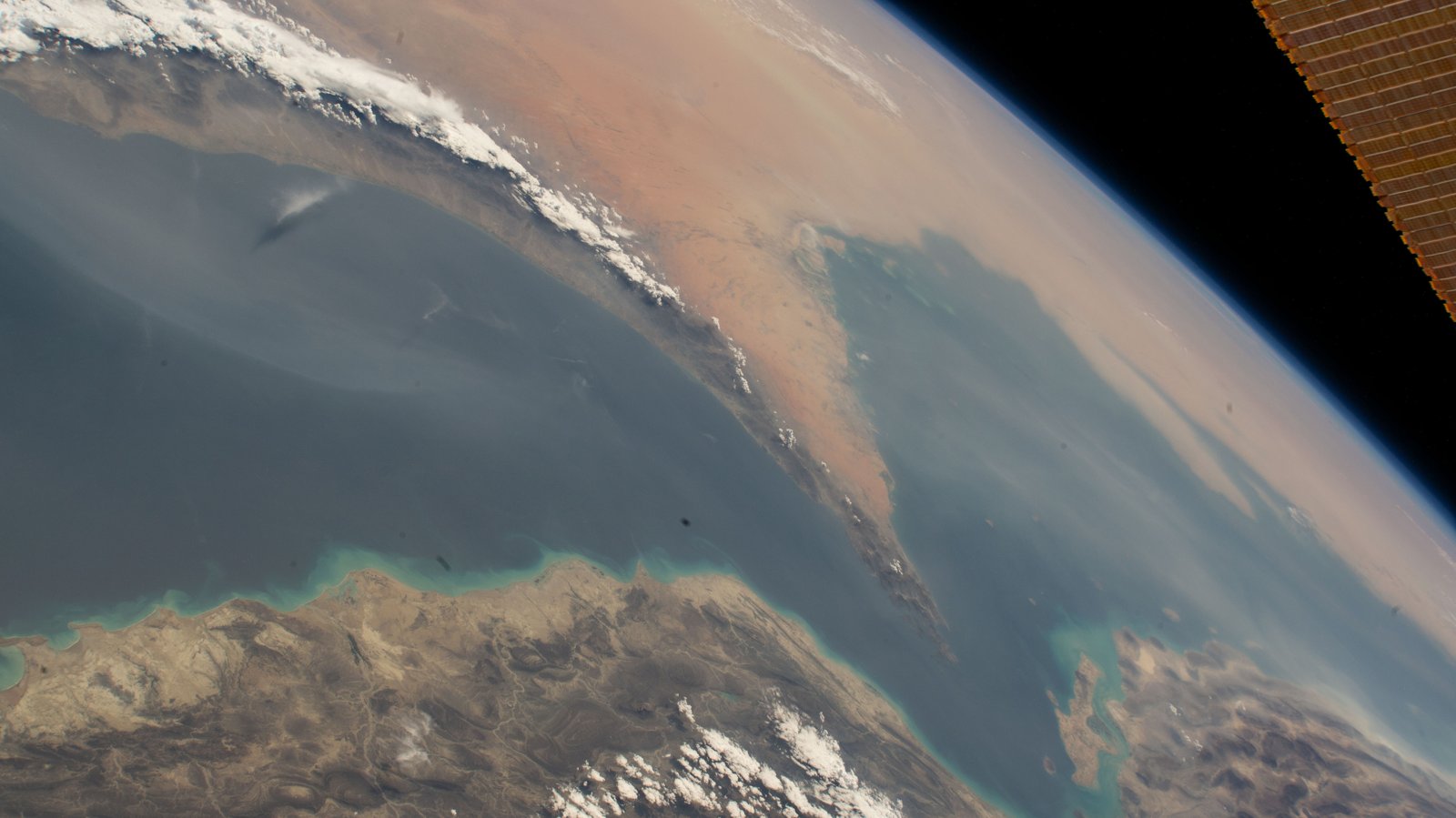
Washington supplied the other Hormuz item in world news today. US Central Command said its forces struck the stern of the Palau-flagged Pacific Archer in the Gulf of Oman on Thursday after the crew ignored warnings and tried to evade the US naval blockade on Iran, disabling the ship without harming the crew, Al Jazeera reported. CENTCOM said 158 vessels had been redirected and six disabled since the blockade began in April. The IRGC separately said its air defences fired warning shots that forced a US F-16 to turn back near Hengam island; there was no US comment.
The latest claim follows the Guards’ statement this week that they had taken full control of the Strait of Hormuz.
What it means for Africa: Brent crude traded at $94.11 a barrel on Friday afternoon, down 2.55% on the day, according to Asharq Business. Fuel-importing African economies feel each swing at the pump, while a closed Gulf exit keeps pressure on shipping through the Red Sea, the route that feeds Egypt’s Suez Canal, whose revenue doubled in November.
Why did Kuwait summon Iran’s ambassador?
The second Gulf story in world news today came from Kuwait, whose foreign ministry said it summoned Iran’s ambassador, Mohammad Totonchi, on Friday and handed him a formal protest note over “the continued Iranian aggression” against Kuwait, after a drone attack on a “vital site” on Thursday killed two Italian technicians and injured a Kuwaiti and a Pakistani.
Deputy Foreign Minister Hamad Suleiman Al-Mashaan delivered the note, which called the attack a violation of Kuwait’s sovereignty, of international law and of the UN Charter, the Kuwait News Agency (KUNA) reported. The note cited UN Security Council resolution 2817 of 2026, held Iran fully responsible and said Kuwait kept its right to self-defence under Article 51 of the UN Charter, including measures to protect “everyone on its territory”.
Iran denies responsibility. Foreign Minister Abbas Araghchi called the attack “suspicious”, rejected any Iranian link and proposed a joint investigation, Mehr reported. European governments, including Britain, condemned the attack. Neither Kuwait’s attribution nor Iran’s denial could be independently verified; DNE Africa’s world news today brief on Thursday set out the first accounts.
What did the Mecca pact allies agree in Islamabad?
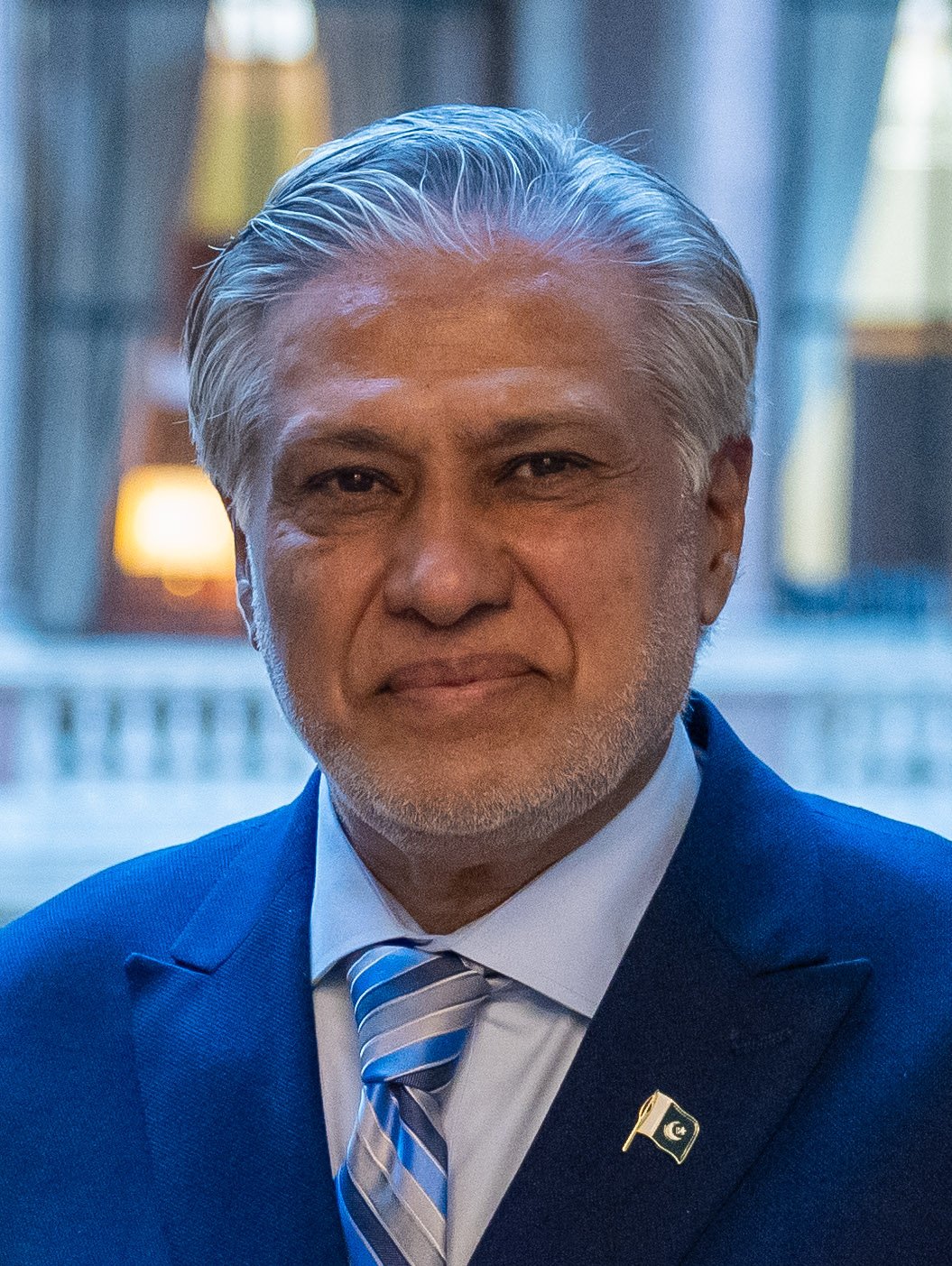
Saudi Arabia’s allies made the third story in world news today. Foreign and defence officials from Pakistan, Turkey and Saudi Arabia met in Islamabad on Friday for the Mecca defence alliance’s Strategic Political and Defence Committee. In a joint statement shared by Pakistan’s foreign ministry, they reviewed “collective defence commitments”, condemned Houthi attacks on civilians and infrastructure in Saudi Arabia and pledged to accelerate support for the kingdom, Saudi Gazette and Al Jazeera reported. The statement set no figures or timetable. Pakistan’s Foreign Minister Ishaq Dar said the members agreed to continue consultations.
The Arab League also condemned “repeated terrorist attacks launched by the Houthi militia” on Saudi Arabia, including Thursday’s strike on the Jazan refinery. The Houthis, for their part, said Saudi Arabia carried out 104 air and missile strikes on Yemen in 24 hours, a claim DNE Africa reported earlier on Friday. Authorities in Yemen’s Taiz governorate said Houthi shelling killed 11 civilians in the town of al-Turbah, according to Al Jazeera. None of these figures could be independently verified.
What it means for Africa: Of all world news today, the Yemen war sits closest to Africa: the fighting is on the Red Sea, opposite Eritrea, Djibouti and Sudan, and on the shipping lane into the Suez Canal. DNE Africa’s Red Sea shipping explainer sets out why the Houthi crisis still costs Egypt.
What to watch tomorrow
Two scheduled events on Sunday follow from world news today’s themes of oil and Europe’s politics.
- OPEC+ meeting, Sunday 29 November: the 42nd OPEC and non-OPEC Ministerial Meeting is set to decide output for 2027, according to OPEC. Algeria, Nigeria, Libya and other African producers are members.
- Spain’s general election, Sunday 29 November: Spaniards vote in a snap election called by Prime Minister Pedro Sanchez, with polls putting the conservative People’s Party ahead.
FAQ
What is the top world news today?
World news today on 27 November was led by Iran’s Revolutionary Guards, who said an oil tanker hit a mine and exploded in the Strait of Hormuz on Friday. The claim could not be independently verified, and the ship was not named.
Why did Kuwait summon Iran’s ambassador?
Kuwait protested what it called continued Iranian aggression after a drone attack on Thursday killed two Italian technicians. Iran denies involvement and has offered a joint investigation.
What is the Mecca defence pact?
It is a mutual defence agreement signed by Saudi Arabia, Pakistan and Turkey in August 2026. Its committee met in Islamabad on Friday and pledged to speed up support for Saudi Arabia against Houthi attacks.
How does world news today affect Africa?
Tension in Hormuz and the Red Sea moves oil prices, which hit fuel import bills across Africa, and shipping through the Suez Canal. Brent traded at $94.11 on Friday afternoon, according to Asharq Business.


