
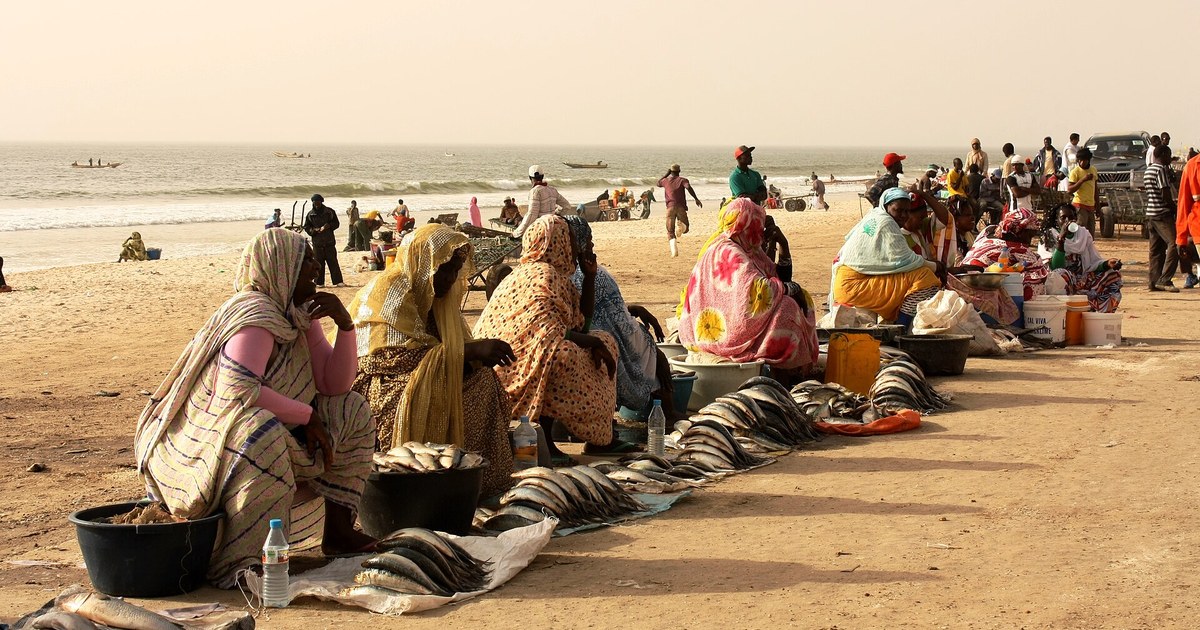

The Mauritania fishing protocol with the European Union has been renewed in principle, the country’s fisheries ministry said on Monday 23 November, nine days after the old deal lapsed and European trawlers left Mauritanian waters.
Its renewal matters both for Nouakchott’s revenue and for Spanish and other European fleets that lost access to some of West Africa’s richest fishing grounds when the Mauritania fishing protocol expired.
What did the ministry announce on the Mauritania fishing protocol?
The Ministry of Fisheries and Maritime and Port Infrastructure said in a statement posted on its Facebook page that it had concluded an agreement with the EU on a new protocol, describing it as a step “to strengthen the partnership between the two sides in maritime fishing and the sustainable management of fisheries resources”, according to the Mauritanian news site Madar and RFI, which carried the statement in French.
The ministry said the new protocol rested on two priorities: “ensuring the sustainable preservation of fisheries resources for current and future generations, and strengthening their value at national level”. It said the deal aimed to create jobs, raise the sector’s revenue and improve the supply of fish to the local market.
Aissata Lam, the fisheries minister, thanked Costas Kadis, the European commissioner for fisheries and oceans, for his part in the agreement, the ministry said. A European delegation will visit Mauritania in the coming days to present the details of the Mauritania fishing protocol.
What is still unknown?
The statement did not give the length of the protocol, the EU’s payment or the volume of fish European vessels may catch. The new text must also be approved by the Council of the EU, or applied provisionally, before European boats can return, AFP reported. The European Commission had not published its own announcement by Tuesday evening.
What did the old deal provide?
The previous Mauritania fishing protocol, under the 2021 Sustainable Fisheries Partnership Agreement, ran from 15 November 2021 to 14 November 2026. It allowed European vessels to catch about 280,000 tonnes a year in exchange for an EU financial contribution of about €60.8mn ($70mn) a year, according to European Commission data cited by Madar. AFP put the annual payment at €57.5mn.
Talks on a new protocol began in January 2026 in Las Palmas and ran for about six months. The old text expired at midnight on 14 November without agreement, and European ships left. Mauritania’s government said it was seeking better economic terms from all its fishing partners, while Brussels said negotiations would continue, Madar reported. Spain, whose fleet is the largest user of the deal, began looking at Guinea-Bissau’s waters instead.
Why does fishing matter to Mauritania?
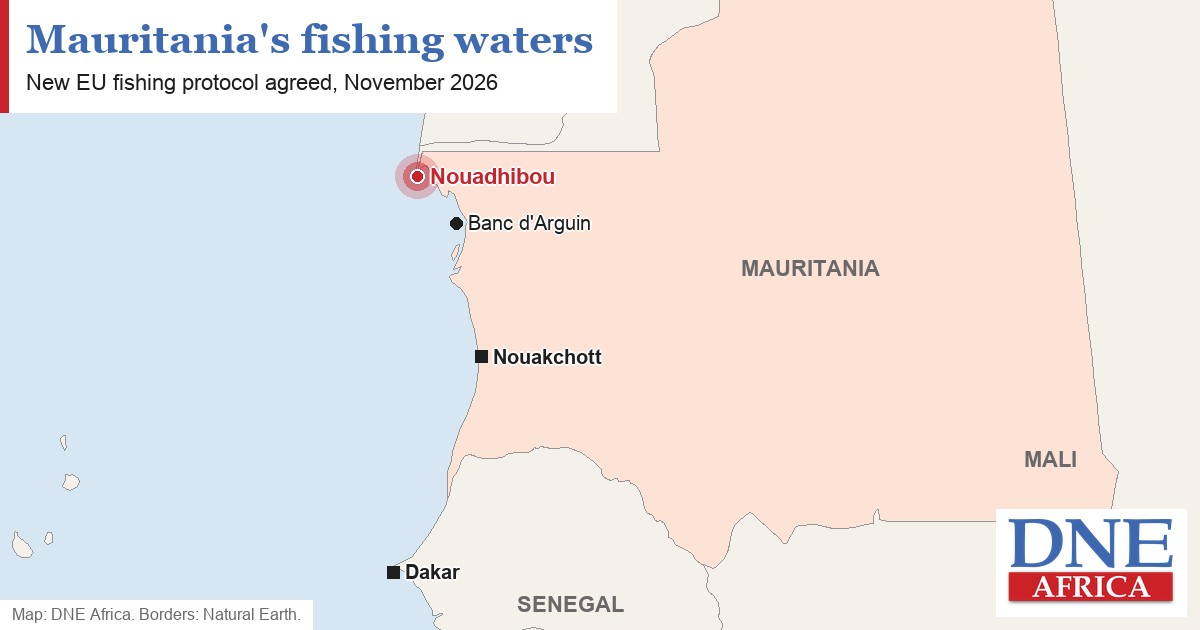
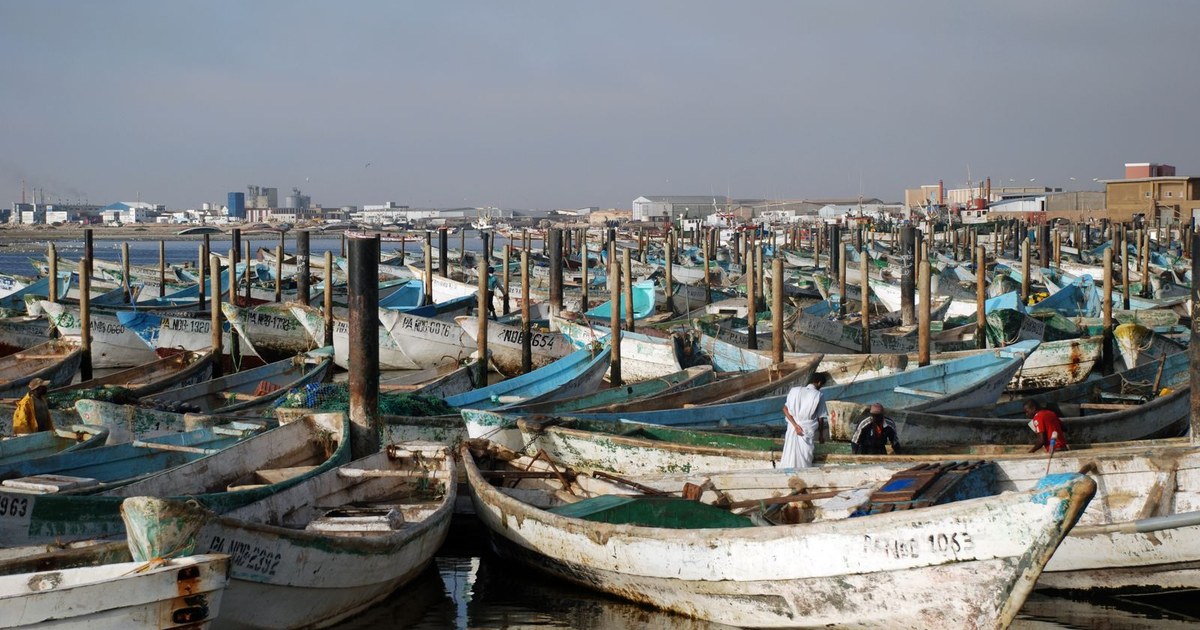
Fishing is one of Mauritania’s main sources of foreign currency and jobs, alongside iron ore and gold, and its waters off Nouadhibou and the Banc d’Arguin are among the most productive in the Atlantic. The government has said it wants more fish landed and processed in the country rather than taken straight abroad, a goal the ministry repeated in its statement. The same coast is also the starting point for many boats on the Atlantic route to Spain, where a record 1,580 migrants arrived in the Canary Islands in a single day this month, the busiest day on the route in 32 years.
FAQ
Has Mauritania signed a new fishing protocol with the EU?
The fisheries ministry said on 23 November 2026 that the two sides had agreed a new protocol; a European delegation is due to present the details, and EU approval is still needed.
When did the old Mauritania fishing protocol expire?
It expired on 14 November 2026, and European vessels left Mauritanian waters.
How much did the EU pay under the old deal?
About €60.8mn a year for about 280,000 tonnes of catch, according to European Commission data cited by Madar; AFP put the payment at €57.5mn.
What are the terms of the new Mauritania fishing protocol?
They have not been published: the ministry did not give the duration, payment or catch limits.


