
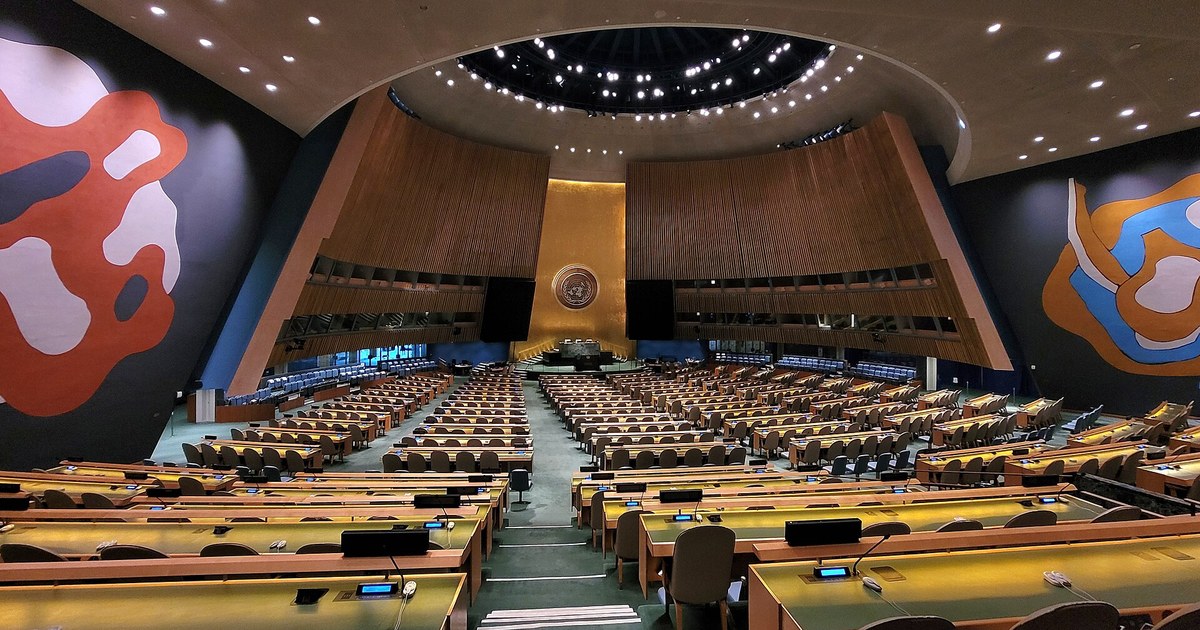

African negotiators should push for binding commitments in the UN tax convention, above all on where multinational profits can be taxed, the South African Institute of International Affairs (SAIIA) said in a paper published on 24 November.
The Johannesburg-based think tank said the text agreed between now and mid-2027 would shape international tax rules “for decades to come”, and that it would be hard to amend once opened for signature. Talks resume in Nairobi on 30 November.
What does SAIIA want from the UN tax convention?
In Policy Insights 180, “The UN Framework Convention on International Tax Cooperation Negotiations”, tax expert Anne Wanyagathi Maina reviews the draft article by article and offers alternative wording for African countries to table.
The paper argues that international tax rules have been set mainly by the OECD, whose Inclusive Framework it describes as giving developing countries limited influence over agenda-setting and drafting. The UN tax convention, it said, is a chance to correct that imbalance.
Its main priority in the UN tax convention is Article 5, on the fair allocation of taxing rights, which the paper said has “the most direct and immediate impact” on developing countries’ revenue. The draft recognises taxing rights where markets are located, revenues are generated or economic activities take place.
SAIIA said each of those tests should be enough on its own, so the word “or” should stay rather than “and”, as in a July 2026 draft. It also urged negotiators to drop the term “value creation” or define it to include markets and users, warning that the OECD reading of the phrase counts only supply-side factors such as research, production and assets.
Which other articles matter most for Africa?
On wealthy individuals, the paper calls for stronger obligations than the current cooperation language. Citing Oxfam figures, it said African billionaires had increased their wealth by 56% over the past five years, while the bottom half of the population held less than 1% of the region’s wealth. Germany, Canada, the UK, Austria and Hungary argued in February that the article should stay high level, the paper said.
For the UN tax convention, it also backs a definition of illicit financial flows that includes tax avoidance, in line with the 2020 UNCTAD and UNODC statistical definition, and says the July draft now reflects this. Zambia and other African states had argued that countries where such flows originate should keep the right to tax them.
On exchange of information, the paper notes that Kenya and other African countries raised the high cost of joining existing systems, including infrastructure and annual fees, and calls for technical and financial support to be written into the text.
How should the UN tax convention be governed?
SAIIA said the Conference of the Parties should take decisions by consensus and, failing that, by simple majority on a one-member, one-vote basis, with balanced regional representation. It proposed a permanent secretariat at the UN Department of Economic and Social Affairs, funded by set contributions rather than voluntary ones.
The paper said the convention should not automatically override existing tax treaties but should allow countries to renegotiate those that conflict with it. It suggested entry into force after 30 ratifications and a ban on reservations to the core commitments.
What happens next in the negotiations?
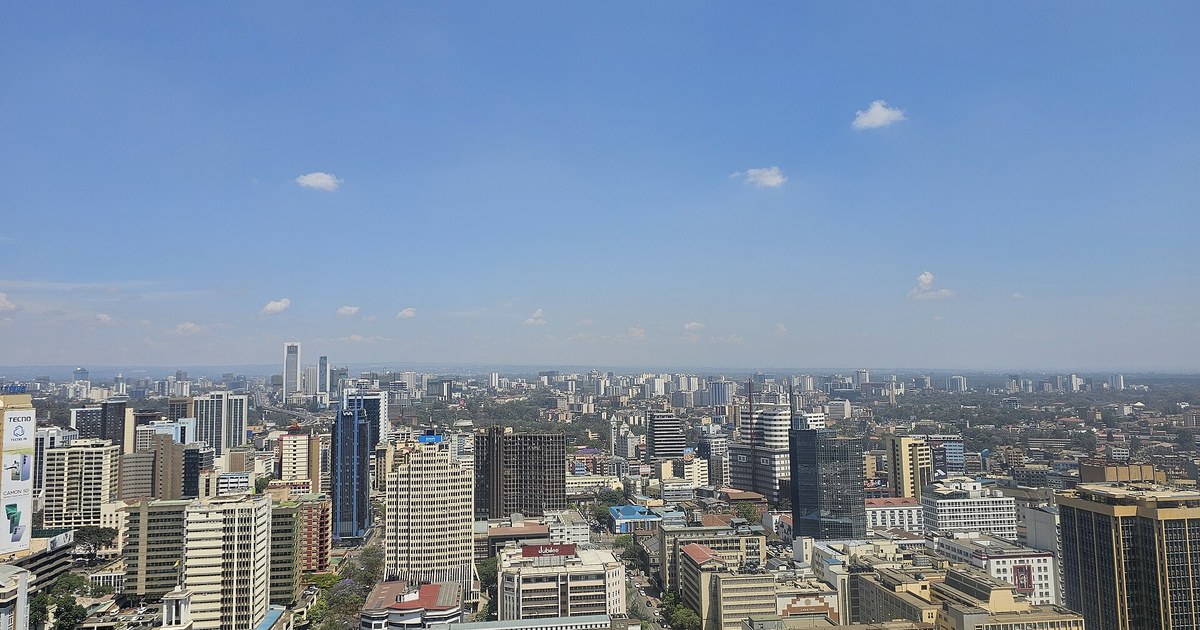
The UN General Assembly voted to pursue the UN tax convention in December 2023 and adopted its terms of reference in December 2024, a process pressed for by the 54-member Africa Group. The sixth session of the Intergovernmental Negotiating Committee runs from 30 November to 10 December at the UN Office at Nairobi, where delegates will work on a revised draft of the convention and two early protocols, on cross-border services and on tax disputes.
A final text is due before the General Assembly in late 2027. Reform of global finance has also been a theme for African leaders this month: Egypt’s president opened the Aswan Forum with a call to reform the system.
“African countries will need to continue engaging in all the negotiation sessions,” the SAIIA paper concluded.
FAQ
What is the UN tax convention?
The UN Framework Convention on International Tax Cooperation is a treaty being negotiated at the United Nations to set up a more inclusive system for international tax rules. A final text is due to go to the General Assembly in late 2027.
What did SAIIA publish on the UN tax convention?
On 24 November SAIIA published Policy Insights 180, which analyses the draft convention article by article and proposes wording for African countries. It was written by tax expert Anne Wanyagathi Maina.
Why does Article 5 matter to African countries?
Article 5 deals with the fair allocation of taxing rights. SAIIA said it has the most direct impact on developing countries’ revenue because it could let them tax profits earned in their markets.
When is the next round of UN tax convention talks?
The sixth session of the negotiating committee is scheduled for 30 November to 10 December 2026 at the UN Office at Nairobi.


