

Nigerians buying an imported phone can check whether it is approved for local networks with the NCC Device Checker, by dialling *315# or using the Nigerian Communications Commission’s online portal, before they pay.
The check matters because since 7 October the regulator has required every newly imported SIM-enabled device to be type-approved and individually verified. Phones that fail may eventually be refused access to Nigerian networks, and dealers of foreign-used “London-used” phones are now receiving alerts.
What does the NCC Device Checker check?
The NCC Device Checker answers two questions, according to the Nigerian Communications Commission. First, whether a device model holds Type Approval, which confirms it meets Nigeria’s technical standards. Second, whether the individual handset has been verified through its International Mobile Equipment Identity (IMEI), the unique 15-digit code every phone carries.
The rules cover more than phones. Feature phones, cellular tablets, SIM-enabled laptops, point-of-sale (POS) terminals, modems and cellular Internet of Things devices fall under the same framework, Leadership reported in its guide to the rules.
How do I use the NCC Device Checker?
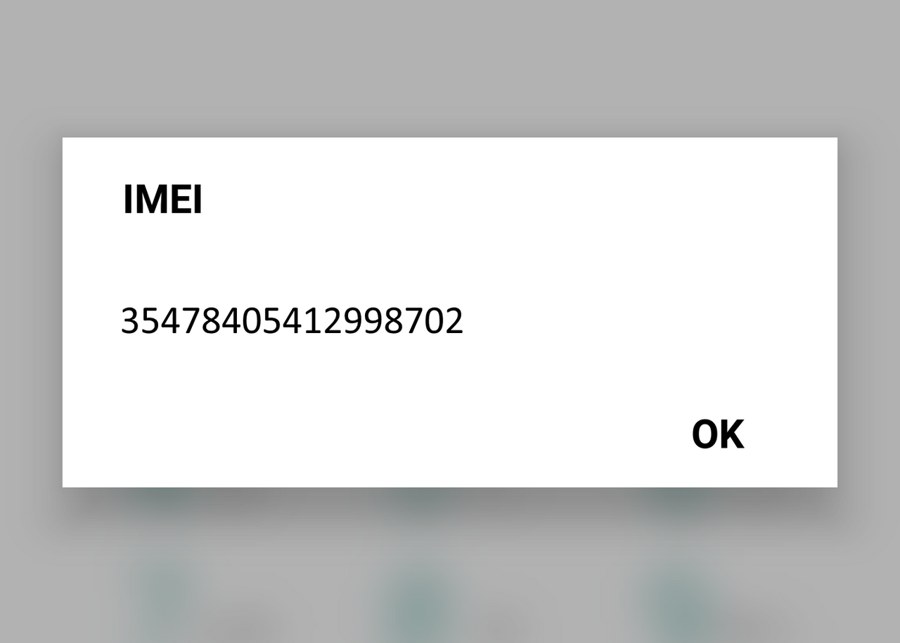
- Find your IMEI. Dial *#06# on the phone. The number also appears in the phone’s settings and on its box.
- Dial *315# from a Nigerian line and follow the prompts to check a device.
- Or use the portal at ncc.gov.ng/devicechecker and enter the IMEI.
- Call 315, the toll-free line, if the result is unclear. The NCC’s consumer line is 622.
A failed result does not automatically mean a phone is counterfeit, the NCC says. Buyers should not pay until the seller has explained and resolved it.
Who needs to act under the NCC Device Checker rules?
Phones already in use: mostly no action. Edoyemi Ogoh, the NCC’s director of technical standards and network integrity, said at a briefing in October that about 231mn devices already on networks had been captured automatically, Techeconomy reported.
Dealers and importers: they must make sure devices are type-approved and verified before sale, the NCC said. The regulator is working with the Nigeria Customs Service to stop unapproved devices at the border. Techpoint Africa reported on 21 November that owners of newly imported used phones have received text alerts from “NCC-Checker” telling them to contact their seller or dial 315.
Travellers and personal imports: a phone never used in Nigeria can run on a Nigerian SIM for up to 30 cumulative days a year without verification, according to the NCC’s guidance as reported by Leadership. Visitors roaming on foreign SIMs are not affected. People who bought a phone abroad can verify it using their travel history.
Second-hand phones bought in Nigeria: owners need do nothing, but the NCC advises buyers to check before paying.
Does the NCC Device Checker track my location?
No, the regulator says. The NCC has said the checker “does not track, monitor or record users’ physical locations or movements”, and that it cannot access messages, photos, contacts or financial data, Techeconomy reported from a briefing on 29 October.
The same system helps with theft. Once a theft is reported and ownership verified, a stolen phone can be blocked across all Nigerian networks, even with a different SIM, the NCC says, though it does not guarantee recovery.
The NCC says the aim is to curb counterfeit, cloned and stolen devices. The device rules follow a SIM registration purge that reshaped Nigeria’s subscriber numbers this year.
FAQ
How do I check my phone on the NCC Device Checker?
Dial *315# and follow the prompts, or enter your IMEI at ncc.gov.ng/devicechecker. Find the IMEI by dialling *#06#.
Will my current phone be blocked?
Phones already active on Nigerian networks were captured automatically, the NCC says. The rules mainly target devices imported from 7 October 2026.
What if my phone fails the NCC Device Checker?
Contact the seller and call 315. A failed result is not automatically proof of a counterfeit, the NCC says.
Does the rule apply to POS terminals and modems?
Yes. SIM-enabled POS terminals, modems, tablets, laptops and cellular IoT devices are covered.


