
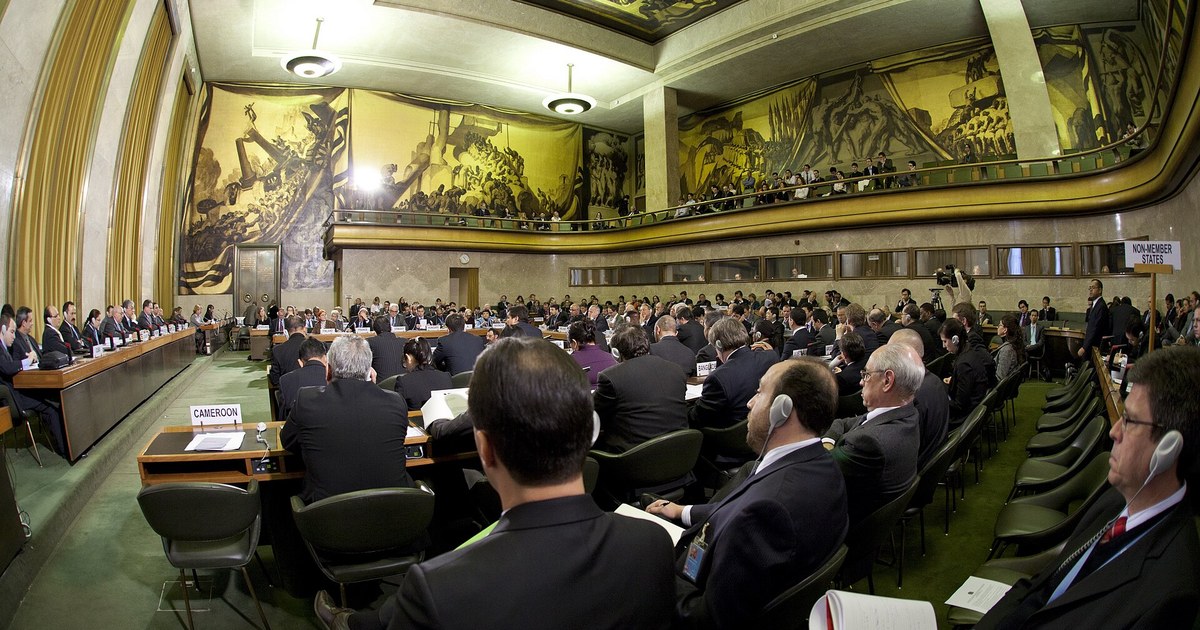

UN talks on killer robots ended in Geneva with states agreeing only to “elaborate” a possible accord on lethal autonomous weapons by 2028, rather than start negotiating binding rules, the Associated Press reported.
The outcome falls short of the treaty talks sought by UN Secretary-General António Guterres, the International Committee of the Red Cross and many governments, including West African states that called for binding rules in 2024.
What did the killer robots talks decide?
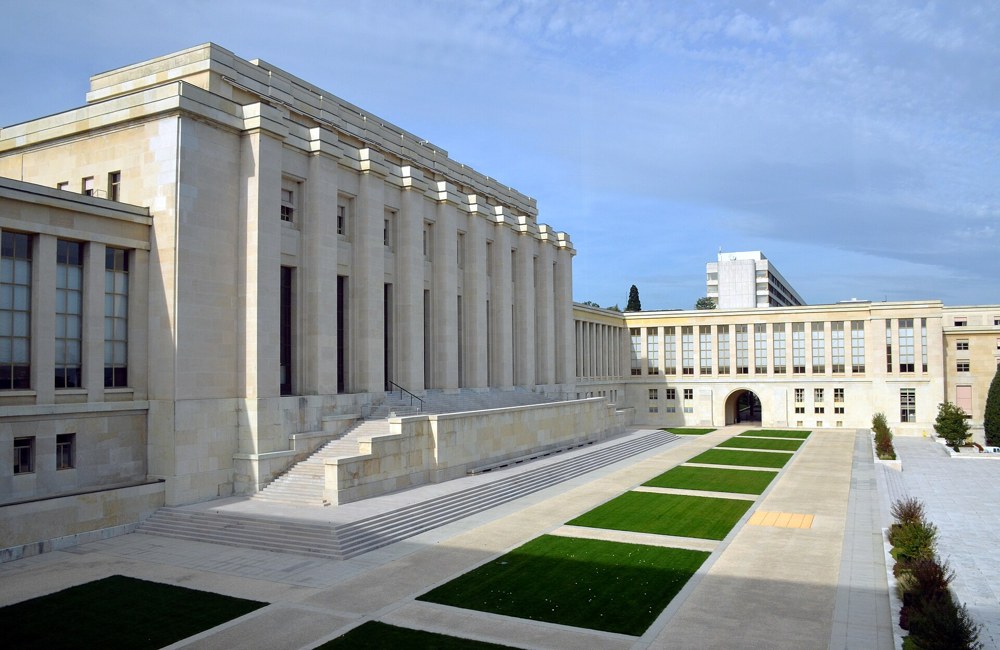
The talks were the Seventh Review Conference of the Convention on Certain Conventional Weapons (CCW), held at the Palais des Nations from 16 November under the presidency of Ambassador Julien Thöni of Switzerland. The convention has 128 states parties and takes decisions by consensus.
Delegates agreed to keep working towards a possible instrument by 2028, but made no commitment to binding rules, AP reported. A proposal from seven states, Brazil, Austria, Belgium, Ireland, Mexico, New Zealand and Panama, to open negotiations on a rulebook fell short.
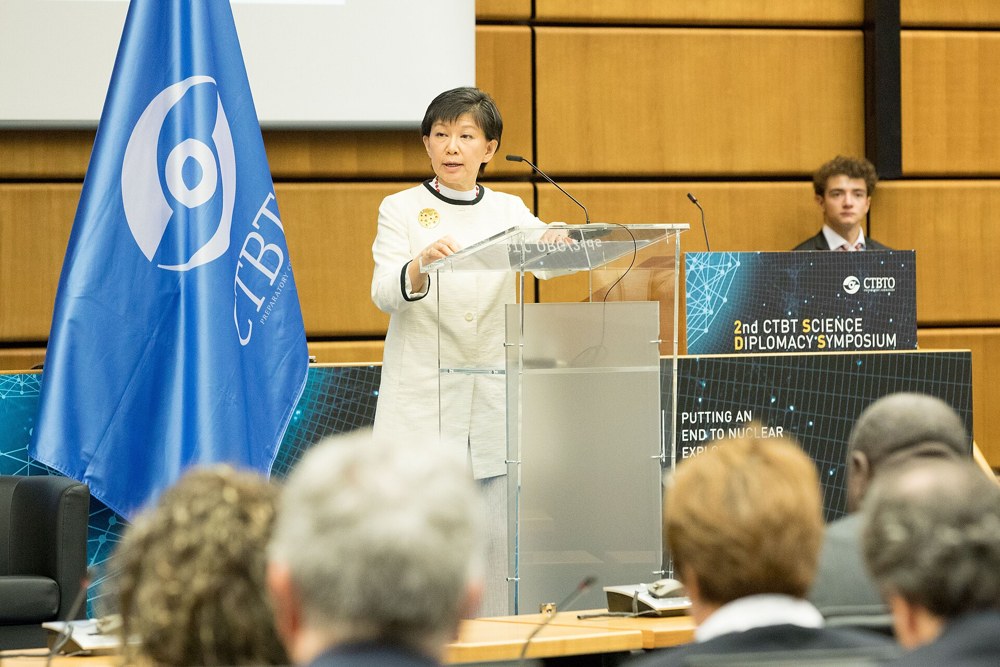
Switzerland’s mission to the UN said on X that “much work lies ahead, but the process is now under way”. Izumi Nakamitsu, the UN’s High Representative for Disarmament Affairs, called the result a “significant achievement” while acknowledging Mr Guterres’s hope for a legally binding deal this year, according to AP.
Who blocked binding rules on killer robots?
Campaigners blamed Russia and, to a lesser degree, the United States, which they said want more freedom to develop such weapons, AP reported. Neither government’s position at the closing session had been published at the time of writing; Washington had argued before the conference for a non-binding text, Tech Times reported.
Stop Killer Robots, a coalition of campaign groups, described the result as a “watered-down mandate”. Beatrice Fihn of Lex International said it meant “pushing the can down the road for two more years”, Gizmodo reported. Brazil’s ambassador, Frederico Meyer, told AP: “Technology is moving faster than diplomacy.”
Before the meeting, Human Rights Watch urged a one-year mandate to negotiate a new protocol, warning that anything less would mean “years of more talk”. A group of experts set up under the convention in 2016 had already drafted elements of an instrument in September.
What have African states said about autonomous weapons?
West African governments were among the first to call for a treaty. In April 2024 Sierra Leone hosted an ECOWAS conference in Freetown, described by organisers as the first African meeting on autonomous weapons, where member states adopted the Freetown Communiqué calling for a legally binding instrument on autonomous weapon systems.
The African Union Commission also spoke at the Freetown meeting. Dr Alhaji Sarjoh Bah, its director of conflict management, set out the AU’s concerns in remarks published by the AU. Sierra Leone’s envoy in Geneva has noted that not every ECOWAS member is party to the CCW, which limits their say in the Geneva process.
The positions of African delegations at this year’s closing session had not been published by the time of writing.
What happens next with AI weapons rules?
Work continues under the CCW towards 2028. Mr Guterres, who leaves office at the end of 2026, had set this year as the deadline for launching negotiations.
The debate runs alongside talks between the big powers on military AI. Washington said this month that the US and China had agreed that humans must stay in charge of military AI decisions. Unlike the killer robots talks, that understanding was not a legal commitment.
FAQ
What are killer robots?
Killer robots, or lethal autonomous weapons systems, are weapons that can select and attack targets without a human making the final decision.
What did the UN killer robots talks agree?
States at the Convention on Certain Conventional Weapons review conference agreed to “elaborate” a possible instrument by 2028, AP reported. They did not agree to negotiate binding rules.
Who wanted a treaty on killer robots?
UN Secretary-General António Guterres, the ICRC, many states and campaign groups. ECOWAS states called for a legally binding instrument in the 2024 Freetown Communiqué.
Why did the talks fail to agree binding rules?
The convention works by consensus. Campaigners blamed Russia and the United States for blocking stronger language.


