


Cape Verde’s National Elections Commission on Saturday confirmed President José Maria Neves’s re-election with 63.96% of the vote, but the Cape Verde election also produced a record abstention rate of 68.33%.
The final count gives Mr Neves a second and last five-year term, from 2026 to 2031, without the need for a runoff. The low turnout, the worst for any presidential vote in the archipelago, has prompted calls for an overhaul of a voter roll that the commission says dates from 2007.
What are the final Cape Verde election results?
Mr Neves won 82,621 votes, or 63.96% of valid votes cast in the first round on 15 November, according to the results announced in Praia by Maria do Rosário Gonçalves, president of the National Elections Commission (CNE). The commission’s members voted unanimously to proclaim him elected, she said, citing the electoral code. The general tally was completed on Friday.
Joana Rosa, backed by the Movement for Democracy (MpD), came second with 40,568 votes (31.40%), the first woman to run for the presidency since independence in 1975. Gilson Alves won 1,805 votes (1.40%), Antero Tavares 1,639 (1.27%), Casimiro de Pina 1,454 (1.13%) and Loizito de Sousa 1,094 (0.85%), according to the final figures reported by the Cape Verdean weekly Expresso das Ilhas (in Portuguese).
Ms Rosa had conceded after provisional results the day after the vote. Mr Neves, a former prime minister backed by the African Party for the Independence of Cape Verde (PAICV), won his first term in 2021 with about 52% of the vote.
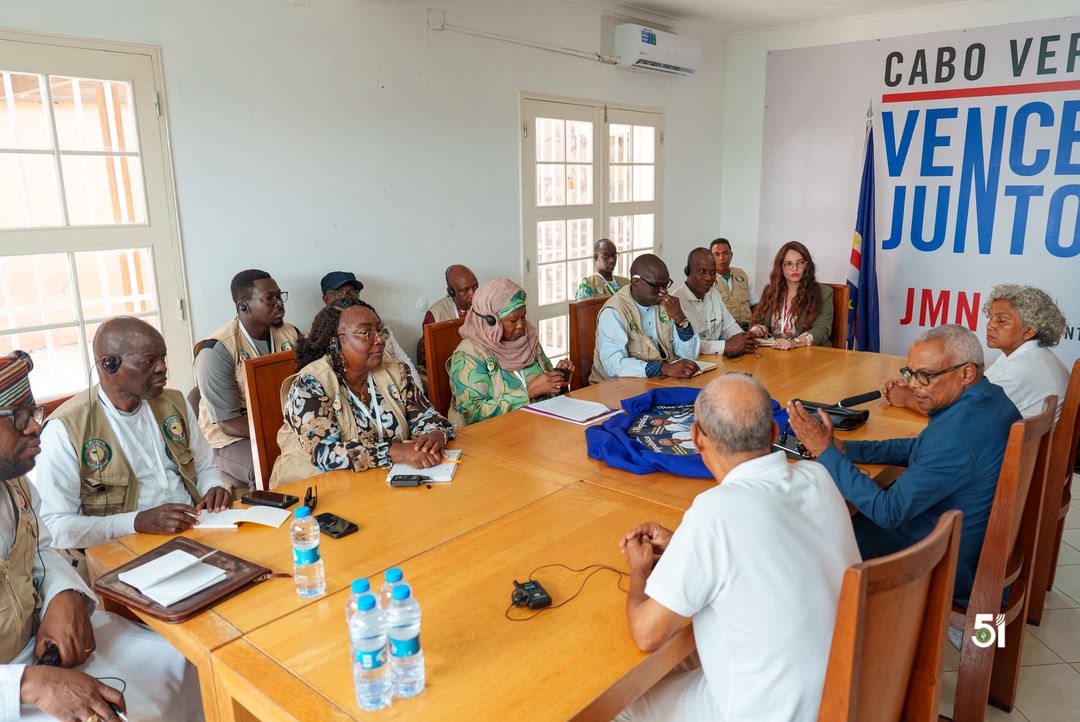
Why was turnout in the Cape Verde election so low?
Of 419,532 registered voters, more than two-thirds did not vote, the commission said. Abstention was 65% in Cape Verde itself and 81% in the diaspora, where only 14,266 of 76,452 registered voters cast a ballot.
Ms Gonçalves told a press conference that the electoral roll needed updating. “The register we have today is a register from 2007 and, given Cape Verde’s reality and the movement of its population, it needs to be updated,” she said, speaking in Portuguese, according to the news site Balai.
She said political parties shared responsibility for mobilising voters and that the commission needed to strengthen awareness campaigns. “Civic awareness of participation is built. It cannot be imposed during an election,” she said. Automatic registration would help but would not solve abstention on its own, she added, and she opposed making voting compulsory.
Mr Neves has called for a study of the reasons for the low turnout and has suggested electronic voting and allowing people to vote away from their home polling station, Balai reported. Ms Rosa called the abstention rate in the Cape Verde election a “black spot” on Cape Verdean democracy.
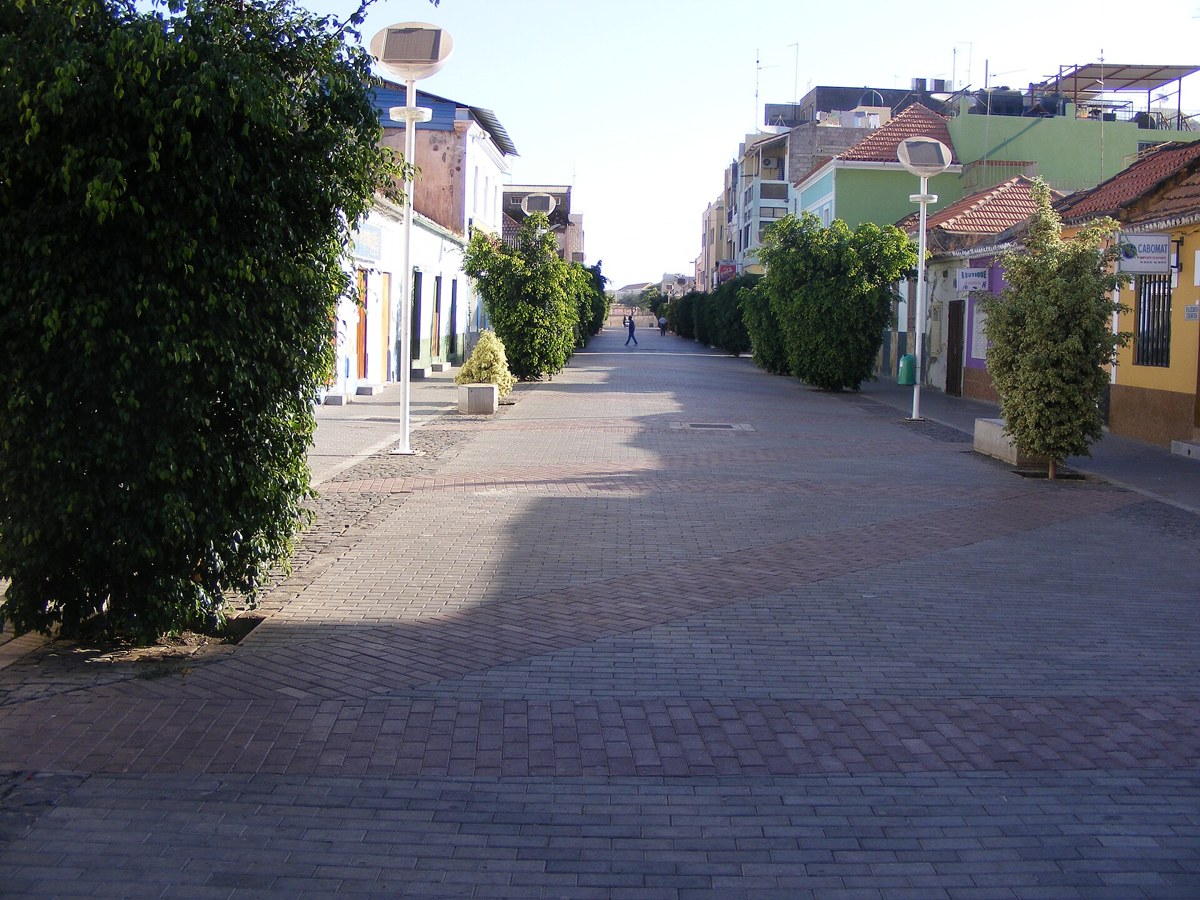
What does the result mean for Cape Verde?
The Cape Verde election result keeps the presidency and the government in the same political camp. The PAICV won a parliamentary majority in May, ending a decade of MpD government, and a Rosa victory would have put the two institutions in rival hands. Cape Verde has a parliamentary system in which the prime minister directs policy; the president’s role is largely symbolic, but the head of state can veto legislation.
The archipelago of about half a million people has a long record of peaceful transfers of power, which observers from ECOWAS and other bodies noted before the vote. Emigration and the lack of opportunities for young people dominated the campaign, as our election-day report set out, and the diaspora vote figures show how far that community sits from the ballot box.
FAQ
Who won the Cape Verde election?
President José Maria Neves won the Cape Verde election in the first round with 63.96% of valid votes, according to final results from the National Elections Commission.
What was turnout in the Cape Verde election?
About 32% of registered voters took part in the Cape Verde election. Abstention was 68.33%, the highest ever for a presidential vote in Cape Verde, rising to 81% among voters abroad.
How long is the president’s term?
Five years. Mr Neves’s second and final term runs from 2026 to 2031.
What does the electoral commission propose?
Its president said the voter roll, which dates from 2007, should be updated to reflect population movements, and that awareness campaigns should be strengthened.


