

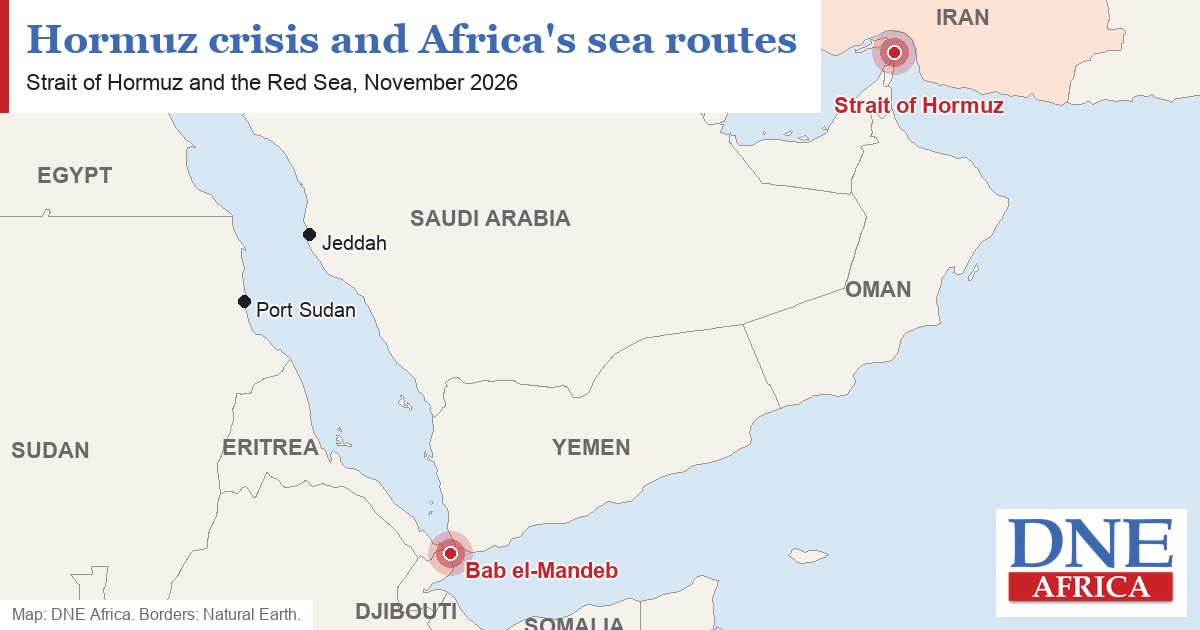
The Hormuz crisis is the largest energy supply shock in history and threatens to reverse recent gains in electricity access in developing economies, the International Energy Agency said in its World Energy Outlook 2026 on Thursday.
The warning matters for Africa, where most of the world’s people without electricity live and where fuel importers from Egypt to Kenya have absorbed months of higher oil and gas prices since shipping through the strait was disrupted.
What did the IEA say about the Hormuz crisis?
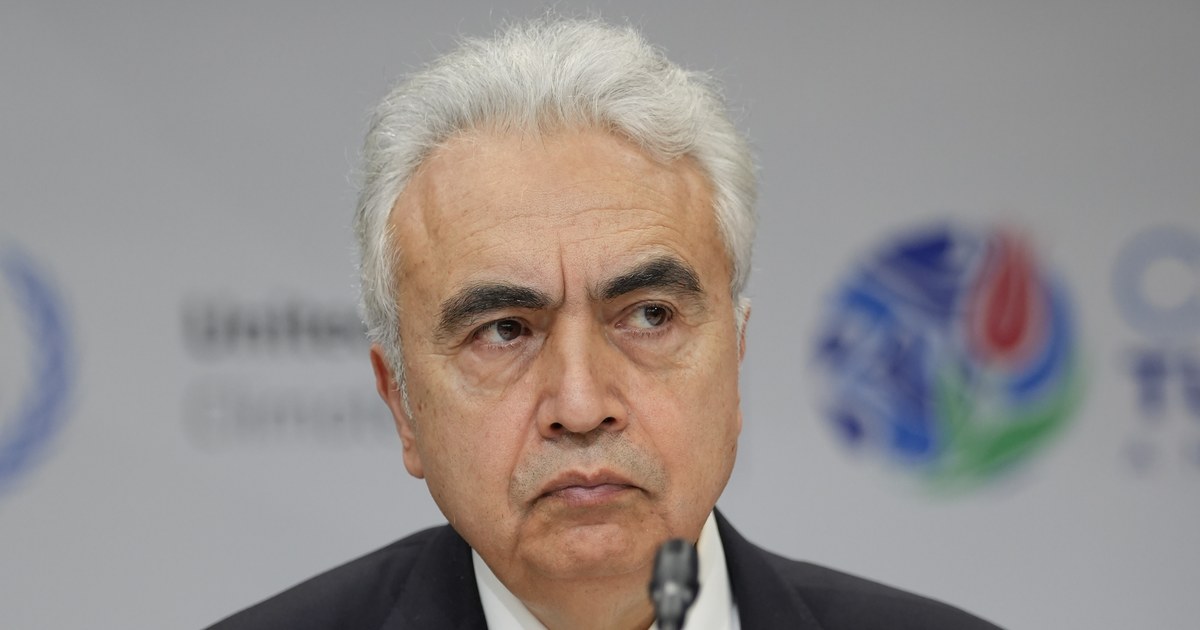
“The Hormuz crisis has delivered a huge shock to the system,” Fatih Birol, the IEA’s executive director, said in the agency’s statement on the report. “I don’t see any credible pathway for the energy world to return to the way it was before.”
By November the world had lost a cumulative 2.8bn barrels of oil and 60bn cubic metres of gas supply from the Gulf, the report said, according to Anadolu Agency. More than 4bn people live in countries that rely on the strait for over 30 per cent of their oil.
The agency said governments were responding in similar ways: diversifying suppliers and trade routes, favouring energy they can produce at home and pushing faster towards electricity. It said the longer the Hormuz crisis lasts, the more likely those choices are to become permanent policy.
How could the Hormuz crisis slow energy access in Africa?
The IEA said access to electricity and clean cooking had improved faster in 2025, but that higher fuel prices and shortages in 2026 risked slowing further gains, particularly in emerging and developing economies.
The stakes are highest in sub-Saharan Africa, home to most of the world’s people without electricity, according to the IEA’s access data. Many households there rely on imported kerosene and liquefied petroleum gas for cooking and diesel generators for power, all priced off global markets that the Hormuz crisis has upended.
African importers have already felt the cost. Egypt expects its liquefied petroleum gas imports to cost $875mn this winter, up 94 per cent, as DNE Africa reported this week, while Kenya’s president William Ruto has asked for patience as the government responds to what State House called a global fuel crisis. Shipping attacks near Hormuz have also raised costs for African buyers.
Who could gain from the shift in energy trade?
The report said renewables, led by solar power, and nuclear energy stood to gain most as governments turn to domestic resources. Electricity demand has grown twice as fast as overall energy demand since 2019, and the IEA expects electricity to approach 30 per cent of final energy use worldwide by 2035.
In a case where shipping risks through the strait last for years, the IEA said new bypass pipelines, other suppliers and lower demand could cut the oil that needs to pass through Hormuz from 20mn barrels a day before the crisis to 8.5mn in 2030 and below 2mn by 2035. Even then, the Middle East would remain the largest oil-exporting region.
That shift could reshape trade routes that matter to North and East Africa, including the Red Sea and the Suez Canal, although the report’s scenarios are not forecasts, Birol said.
What happens next?
Markets remain tense. Brent crude was steady near $92 a barrel on Thursday amid reports of possible US strikes on Iran, and liquefied natural gas tanker transits through Hormuz fell to their lowest since September, Asharq Business reported, citing Bloomberg data.
The IEA said a clear resolution of the conflict could bring a strong rebound in oil and gas supply, including a delayed wave of new LNG capacity, creating a buyer’s market that would push prices down. Until then, African governments face the choice the report describes between short-term relief and longer-term diversification.
FAQ
What is the Hormuz crisis?
The Hormuz crisis is the disruption of oil and gas shipping through the Strait of Hormuz linked to the Middle East conflict. The IEA calls it the largest energy supply shock in history.
How much supply has been lost?
The IEA said the world had lost a cumulative 2.8bn barrels of oil and 60bn cubic metres of gas from the Gulf by November 2026.
How does the Hormuz crisis affect Africa?
Higher fuel prices and shortages could slow gains in electricity and clean cooking access in developing economies, the IEA said. Sub-Saharan Africa is home to most of the people without electricity.
What is the World Energy Outlook?
It is the IEA’s annual report on global energy trends. The 2026 edition, published on 19 November, sets out several scenarios rather than forecasts.


