
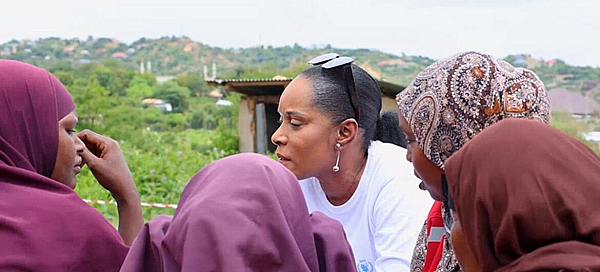

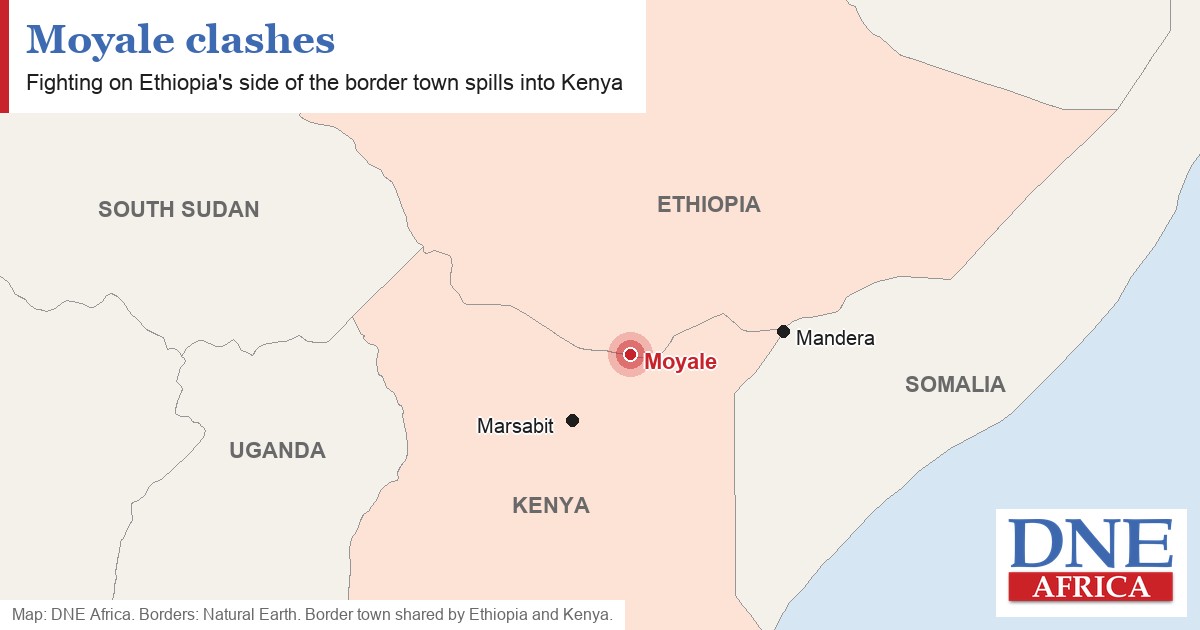
The World Food Programme has started emergency food aid for Moyale refugees in northern Kenya, about 30,000 people who fled inter-communal clashes on the Ethiopian side of the border town since 22 October, the UN agency said.
The distributions, which began on 11 November, are the first sustained UN food response to an influx that has strained Marsabit county, one of Kenya’s poorest. WFP said it had used its own internal resources so far and warned that it would need more money if displacement continued.
What aid are the Moyale refugees receiving?
According to a UN News report distributed on 18 November, families staying with relatives and host households receive dry rations of sorghum, yellow split peas and vegetables. Food is also supplied to communal centres and schools so that hot meals can be cooked for people sheltering there.
WFP said it was working with the Kenyan government, the Kenya Red Cross Society and other humanitarian partners. The agency did not give the number of people reached so far or the value of the food distributed.
“For families who have already lost so much, hunger should not be a concern,” Betty Ka, WFP’s country director in Kenya, said after a visit to Moyale. She said many of the Moyale refugees had arrived “with little more than what they could carry”.
How many people have crossed into Kenya?
Estimates differ. WFP put the number of arrivals at roughly 30,000. Other UN agencies and Kenyan officials have given higher figures: UNHCR said earlier this month that up to 50,000 people had crossed, Al Jazeera reported, and a joint UN appeal was built around 50,000 people. The EastAfrican earlier cited 36,000. The gap partly reflects people moving back and forth across a porous border and staying with relatives rather than in registered sites.
The Marsabit county government has also said about 10,000 Kenyans were displaced on their own side of the border, as we reported in our earlier coverage of the Moyale clashes.
Most Moyale refugees are not in camps. WFP said they were staying with relatives, host families or in schools and communal centres. Kenyan media have reported tensions between new arrivals and residents at Manyatta Burji, a settlement in Moyale, as pressure on water and food has grown.
What caused the fighting in Moyale?
Ethiopian Moyale is split between the Oromia and Somali regional states. The fighting broke out on 22 October, WFP said, though conflict monitors date the first incidents, a dispute over a regional flag and offices, to 18 October. Clashes then drew in security forces from the two regions.
WFP said reports pointed to long-standing local disputes over land ownership, administration, ethnicity and politics as the root causes. Neither the Ethiopian federal government nor the two regional administrations has published a full account of casualties, and figures on deaths have not been independently verified.
One displaced man, a 37-year-old father of five identified only as Alexander, told WFP he had seen people killed, including his sister, and did not want to return. “I cannot go back. There is no work,” he said.
Is there enough money for the Moyale refugees?
Funding is tight. UNHCR, UNICEF, IOM and WFP jointly appealed in early November for $8.9mn to support up to 50,000 people for the first months of the response. The UN’s Central Emergency Response Fund later allocated about Sh387mn ($3mn), the Daily Nation reported.
An inter-agency assessment led by IOM found that more than seven in ten households among the Moyale refugees did not have enough food, and identified water, shelter, sanitation and health care as the other urgent needs. Health officials in Marsabit have also reported measles and rubella cases.
The influx comes as aid budgets in East Africa have been cut sharply over the past two years, forcing WFP to reduce rations for refugees in Kenya’s Kakuma and Dadaab camps. The UN has already warned of a humanitarian crisis in Moyale.
What happens next?
WFP said additional funding would be needed if displacement continues or needs increase. Much depends on whether calm holds on the Ethiopian side, where the border crossing was closed in mid-November. Kenyan officials have said they expect most arrivals to return once security allows, but several Moyale refugees have told aid agencies they want to stay or move on to Nairobi.
FAQ
Who are the Moyale refugees?
They are Ethiopians who fled clashes in the Ethiopian part of Moyale, a town divided by the Ethiopia-Kenya border, into Kenya’s Marsabit county since late October. WFP estimates about 30,000 people; other UN agencies have cited up to 50,000.
When did WFP start food aid for the Moyale refugees?
WFP said it began emergency food assistance on 11 November, with the Kenyan government and the Kenya Red Cross. It provides dry rations to host families and food for hot meals in communal centres.
What caused the clashes?
The fighting is between communities and forces linked to Ethiopia’s Oromia and Somali regions, which share the town. WFP said long-standing disputes over land, administration, ethnicity and politics were the root causes.
How much money has been raised?
UN agencies appealed for $8.9mn in early November. The UN emergency fund CERF later allocated about Sh387mn ($3mn), according to the Daily Nation.


