
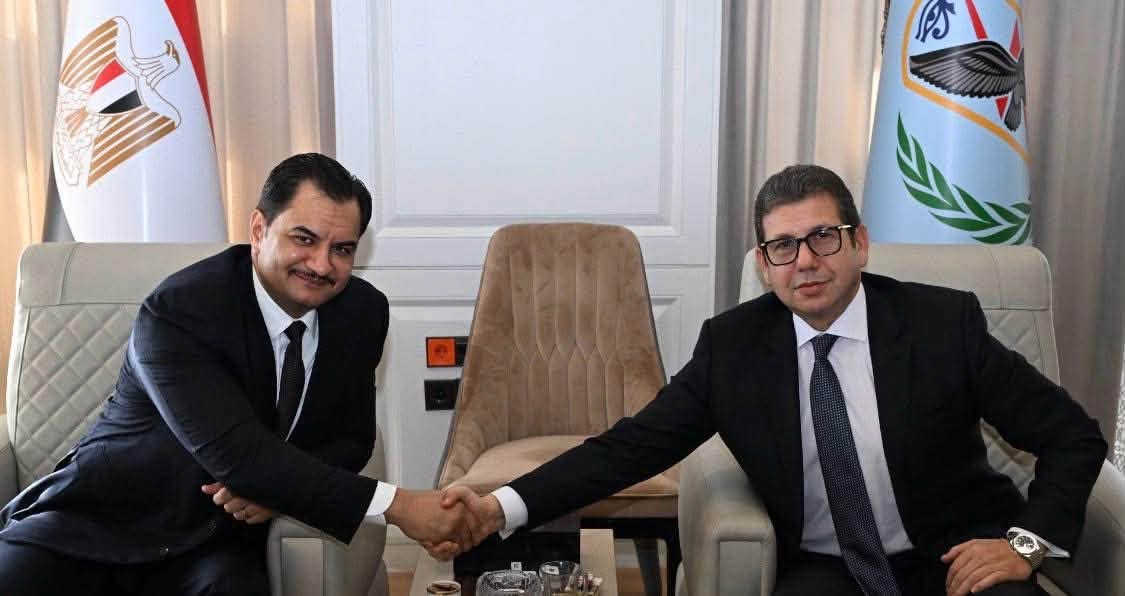

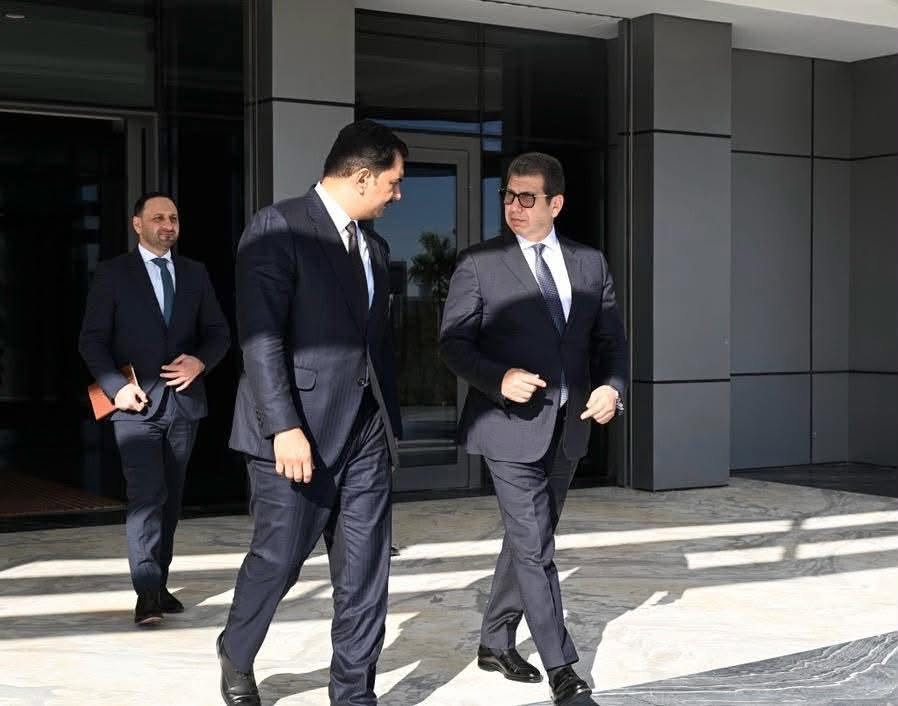
Saddam Haftar, deputy commander-in-chief of the Libyan National Army, met Hassan Rashad, head of Egypt’s General Intelligence Service, in Cairo on Friday 13 November for talks on Libya’s political process and joint economic projects.
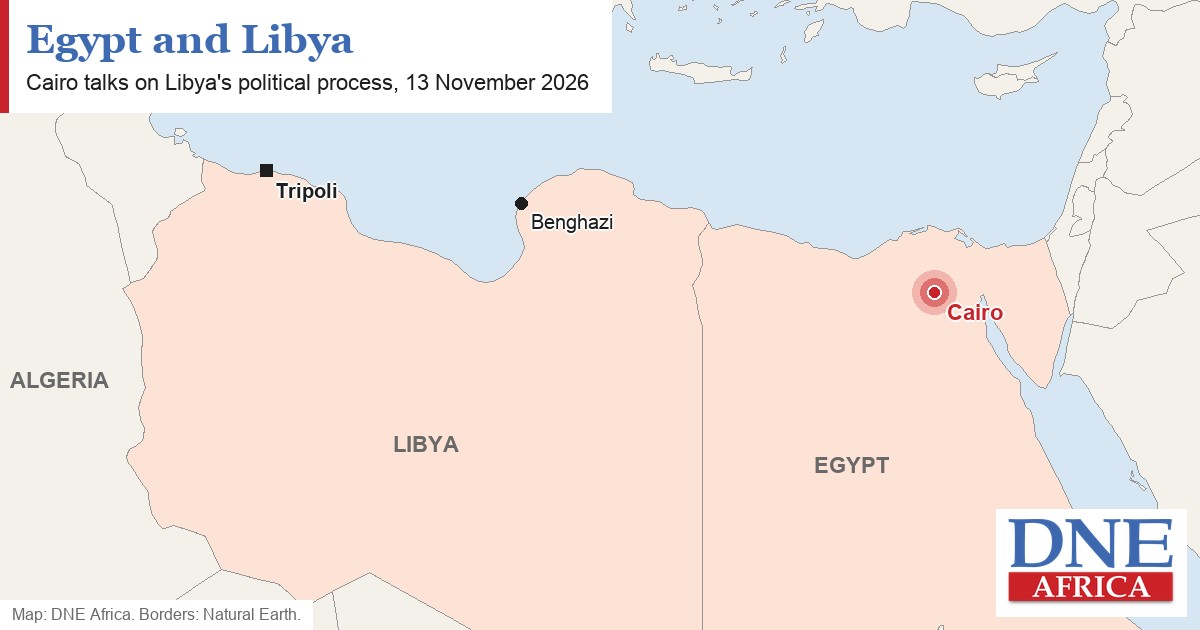
The meeting was the second between the two men in less than a month. It matters because Egypt shares a border of more than 1,000km with Libya, and the eastern-based army that Saddam Haftar helps to lead is one of the parties whose consent any election plan requires.
What did Saddam Haftar and Egypt’s intelligence chief discuss?
The talks covered ways to move the political process forward, unify Libya’s political authority and reach permanent elections, Ahram Online reported, citing the Egyptian channel Al-Qahera News.
The two sides also discussed a working mechanism to activate joint strategic and economic projects between Egypt and Libya, and co-operation on other matters of shared interest, according to the same report. No projects were named and no figures were given.
Egyptian media described the meeting as part of Cairo’s engagement with the various Libyan parties and its efforts to preserve the unity and territorial integrity of the Libyan state.
What did the Libyan side say?
The media office of the army’s general command gave a similar account. In a statement carried by the Libyan news site Al-Wasat, it said the meeting took place during an official visit by Saddam Haftar to Egypt and dealt with “a number of issues of common interest”.
The discussion included mechanisms to activate joint strategic and economic projects, developments in the political process and efforts to unify Libya’s institutions, the statement said. It added that this would support political and security stability and meet Libyans’ aspirations for “a unified and stable state”. The statement was issued in Arabic.
Neither side announced an agreement, a timetable or a date for further talks.
Why does the Saddam Haftar visit matter now?
Libya has been divided for years between the Government of National Unity in Tripoli and a rival administration in the east, where the Libyan National Army is based. Elections planned for December 2021 were never held.
A committee of four representatives from each side signed an agreement in late August that sets out a 24-month roadmap towards national elections, including a review of electoral laws and a single executive authority. Hanna Tetteh, the head of the UN Support Mission in Libya, told the Security Council in October that some parties had been unwilling to engage constructively with it. The High Council of State has rejected the outcome, as DNE Africa reported at the time.
Saddam Haftar and Mr Rashad last met in Cairo on 26 October, when they called for swift support for the political process and the unification of institutions, according to Al-Wasat.
The Libyan outlet also noted a point of difference between Cairo and the eastern authorities. Libya’s House of Representatives ratified in October a 2019 maritime memorandum with Turkey. Egypt said at the time that the memorandum was void and that the ratification had no legal effect for Egypt, Al-Wasat reported. Friday’s statements did not mention the issue.
Cairo has kept channels open to both camps. Libya was also on the agenda when foreign minister Badr Abdelatty met a senior US adviser in the United Arab Emirates earlier on Friday, in Egypt-US talks that covered support for a comprehensive political settlement.
What happens next?
The UN mission has said it will continue consultations on the next steps of the roadmap and on a more broadly representative national mechanism. Whether the joint projects mechanism discussed in Cairo takes shape will depend on announcements that neither Egypt nor the army’s general command has yet made.
FAQ
Who is Saddam Haftar?
He is the deputy commander-in-chief of the Libyan National Army, the force based in eastern Libya, and a son of its commander, Khalifa Haftar.
Who did Saddam Haftar meet in Cairo?
He met Hassan Rashad, the head of Egypt’s General Intelligence Service, on Friday 13 November. It was their second meeting in Cairo in less than a month, after talks on 26 October.
What was discussed at the meeting?
According to Egyptian media and the Libyan army’s media office, the talks covered Libya’s political process, the unification of its institutions, the path to elections and a mechanism for joint strategic and economic projects.
Was any agreement announced?
No. Neither side announced an agreement, named specific projects or gave a timetable.


