
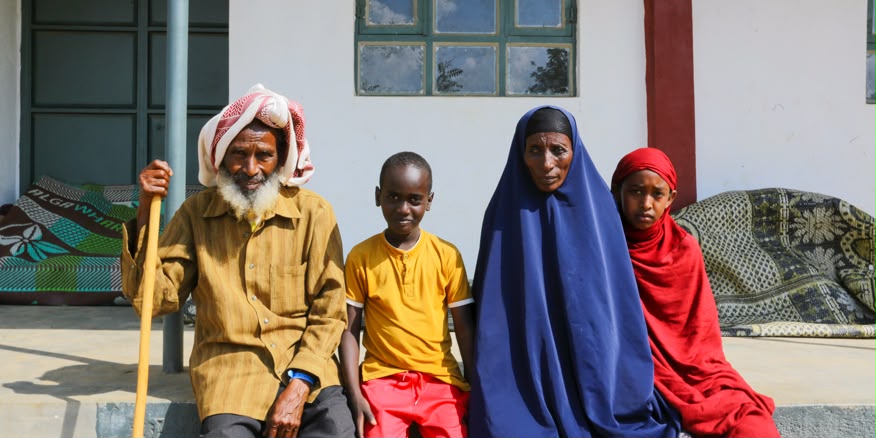

Approximately 50,000 Ethiopian civilians who fled conflict between the Oromia and Somali regional states and crossed into Kenya are facing severe humanitarian conditions, with acute shortages of food, clean water, and medical services, according to a joint assessment by Kenyan authorities, United Nations agencies, and humanitarian organizations.
The rapid assessment, conducted in late October, found that 71 percent of displaced households lacked adequate food supplies, while 80 percent identified nutrition as their most urgent need. Some displaced people reported that entire villages had fled the conflict. The assessment also found that 96 percent of the displaced population originated from Ethiopia’s Oromia and Somali regions.
Children account for more than half of those displaced, raising concerns about malnutrition and other health risks, particularly among families living in temporary settlements.
The influx has also placed additional pressure on host communities and local infrastructure. Many displaced people are staying with relatives, in temporary sites, or in local schools, while others remain without adequate shelter.
Access to clean water and sanitation remains a major concern. According to the assessment, 44 percent of displaced households lack sufficient drinking water, while more than three-quarters do not have access to basic handwashing facilities.
Healthcare access is also limited. More than half of surveyed households reported serious difficulties obtaining medical services, citing the high cost of medicines and a shortage of functioning health facilities in areas receiving displaced families.
The International Organization for Migration (IOM) and other humanitarian agencies have called for additional financial support to sustain assistance for displaced people and host communities already under pressure.
The appeal follows a $3 million emergency allocation by the United Nations for the Moyale response. However, humanitarian organizations warn that further funding is needed to address immediate needs and maintain access to food, safe drinking water, sanitation, and healthcare.


