
In the race to eradicate polio, an unrecorded village on a map or a delayed entry in a spreadsheet is not merely an administrative error—it leaves a child vulnerable to irreversible paralysis, WHO warned.
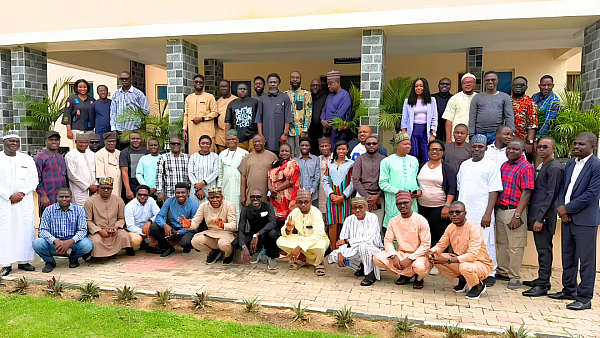
Faced with remote terrain, local insecurity, and unreliable network connections that frequently blind field teams, Nigeria is overhauling its public health intelligence network with support from international partners. In Akwanga, Nasarawa State, 62 data and information management officers from all 36 states and the Federal Capital Territory have completed an intensive two-week technical boot camp to transform raw field reports into rapid, life-saving vaccination drives.
Closing the Surveillance Gap
While Nigeria and the African continent were officially certified free of wild poliovirus in August 2020, circulating variant polioviruses—specifically cVPV2 and cVPV3—continue to threaten under-immunized communities. Stopping these strains requires pinpointing precisely where immunization coverage breaks down.
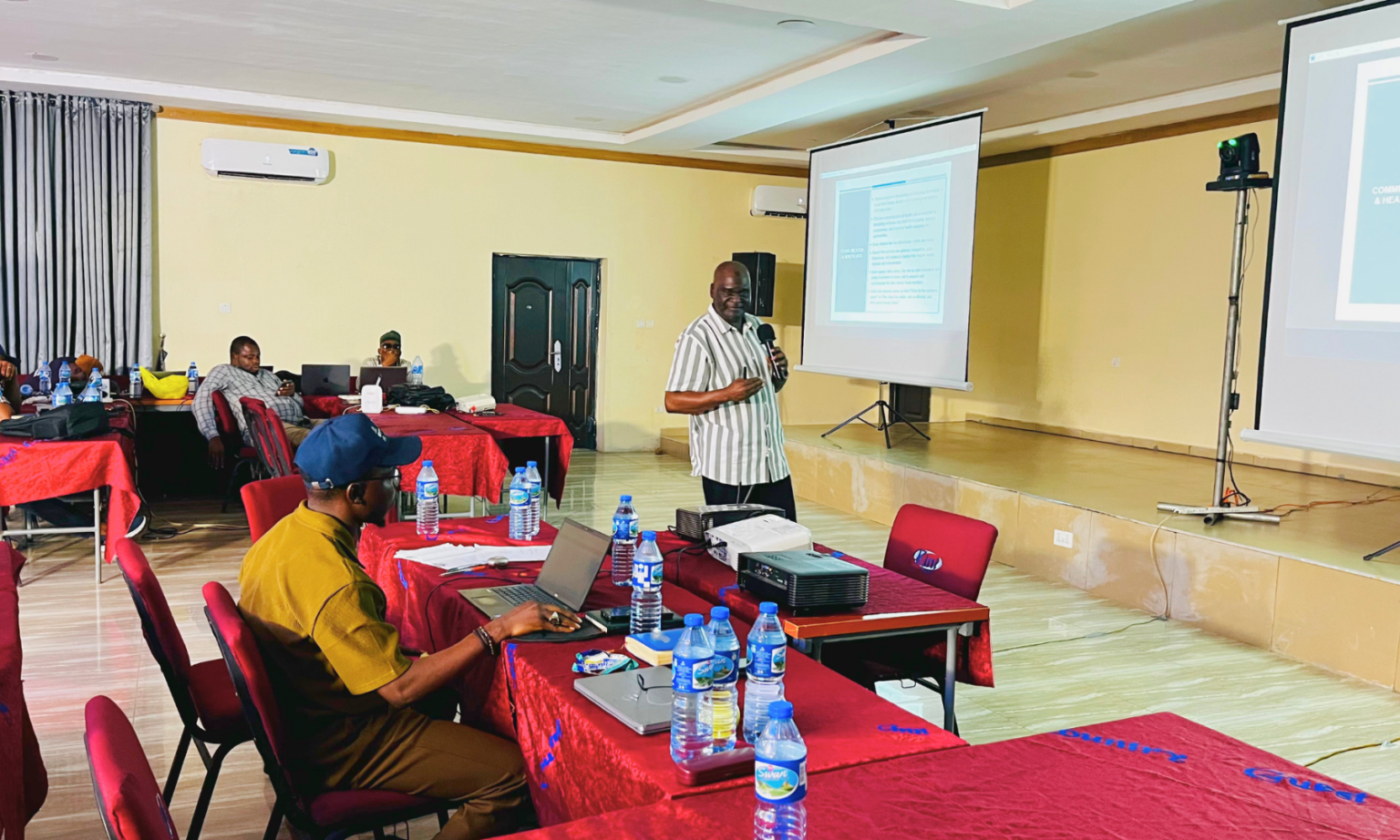
During the workshop, officers were trained in high-level analytics and mapping software, including District Health Information Software 2 (DHIS2), QGIS spatial mapping, and R programming. The goal is to move state teams away from passive record-keeping toward real-time threat detection.
“In Kebbi State, I have seen how delayed or incomplete data can affect response efforts,” said Surajuddeen Lukman, one of the training participants. “This training is helping me better analyze information so health teams can reach communities faster and protect more children.”
Moving From Reporting to Action
For field officers operating in high-risk zones, software literacy translates directly to frontline efficiency. Upgraded settlement maps allow health workers to trace mobile populations and reach “zero-dose” children who have never received a routine vaccine.
“Data helps us see where the risks are and where support is needed,” said Dr. Kofi Boateng, Polio Eradication Programme Cluster Lead at WHO Nigeria. “When state and zonal teams can analyze information quickly, they can better guide field teams, follow up on missed settlements, and support faster response.”
The initiative forms part of Nigeria’s broader Health Sector Renewal Investment Initiative and its Sector-Wide Approach (SWAp), implemented alongside the National Primary Health Care Development Agency (NPHCDA) and international partners.
“My role goes beyond reporting to ensuring data drives decisions,” said Oluwafemi Emmanuel, a data officer from Borno State. “Focusing on supplementary immunization activities and data quality helps us allocate resources based on evidence rather than assumptions.”
Dr. Pavel Ursu, WHO Representative to Nigeria, emphasized that strengthening information management will yield long-term dividends beyond polio, bolstering routine health delivery, outbreak tracking, and emergency response across the nation.
90 Days to Deliver Results
Supported by the WHO African Region (AFRO) through the Global Polio Eradication Initiative (GPEI), the training cohort comprised 56 male and six female officers.
Each participant has returned to their state with a binding 90-day execution plan. Monthly performance audits led by the Polio Eradication Project will measure success against strict benchmarks: reporting speed, data accuracy, dashboard usage, and updated settlement mapping.
As these 62 officers deploy back to their stations, public health officials expect the upgraded data pipeline to turn administrative numbers into direct frontline protection for Nigeria’s most vulnerable children.