
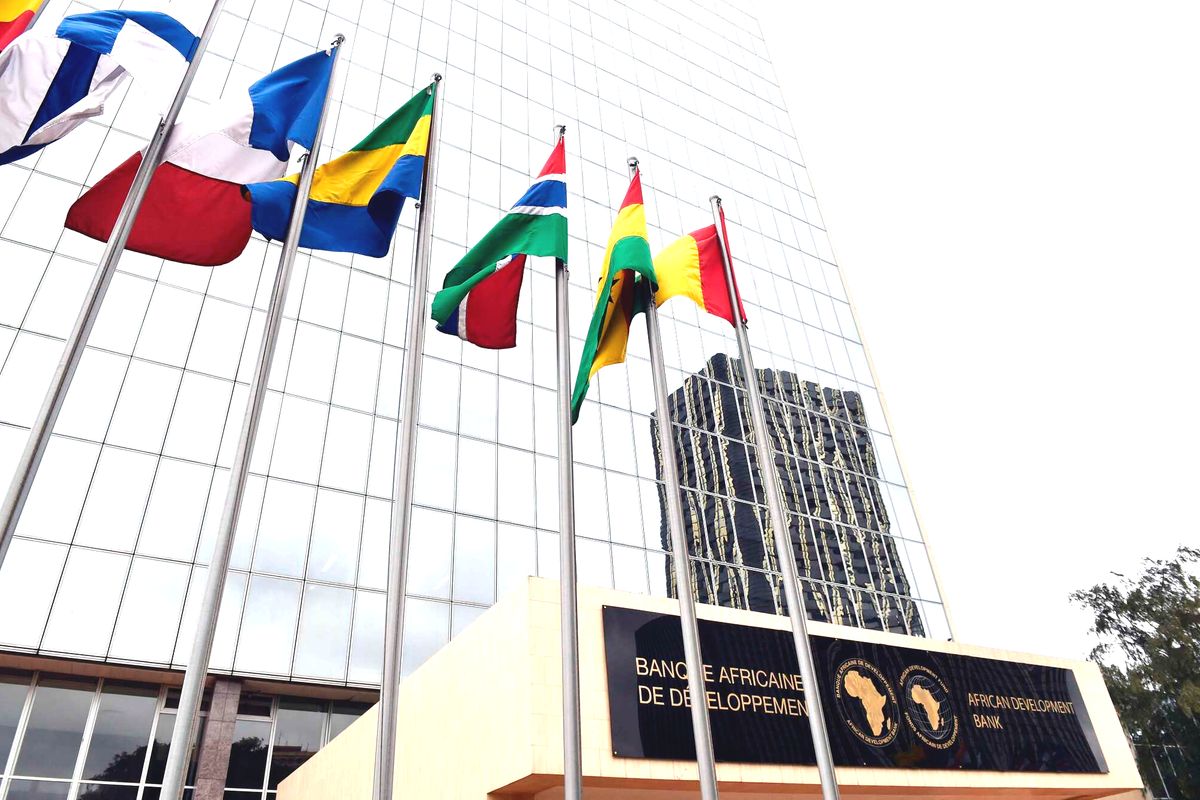

The African Development Bank (AfDB) has called for more financing for land restoration in Africa’s fragile and conflict-affected regions, arguing that environmental degradation is increasingly intertwined with food insecurity, climate vulnerability and political instability.
The appeal comes as the 17th Conference of the Parties to the UN Convention to Combat Desertification (COP17) convenes in Ulaanbaatar, Mongolia, bringing together governments, development institutions and investors to address the growing economic and social costs of desertification, land degradation and drought.
The Bank is using the conference to push Africa’s case for greater investment in restoring degraded landscapes and strengthening resilience to drought, particularly in countries affected by conflict and institutional fragility.
At a session on financing land restoration in vulnerable regions, participants discussed how development finance could be better structured to account for the risks associated with fragile environments. The talks included proposals to improve coordination among financiers, share risks and develop funding mechanisms capable of supporting longer-term restoration projects.
A proposed Fragility Financing Mechanism was also presented as a potential means of providing more predictable funding for land restoration in conflict-affected and vulnerable areas.
For the AfDB, the argument extends beyond environmental policy. Restoring degraded land can strengthen agricultural production and livelihoods, while helping to ease some of the economic and resource pressures that can exacerbate instability.
The Bank has channelled support to fragile and conflict-affected countries through its Transition Support Facility since 2008. Its programmes include a $9.5mn project to restore the ecological and economic functions of Lake Chad, alongside initiatives aimed at improving food security and climate resilience in the Horn of Africa.
The debate in Ulaanbaatar comes as African governments face growing pressure to adapt to climate change while tackling food insecurity and creating economic opportunities for rapidly expanding populations. Land restoration has increasingly been presented as an investment in productive assets rather than simply an environmental intervention.
The Great Green Wall Pavilion, led by the Pan-African Agency of the Great Green Wall and co-hosted by the AfDB and other partners, is being used to promote new partnerships and investment in the restoration of degraded landscapes across the continent.
For Africa, the challenge will be to translate the political commitments made at COP17 into sustained financing. The AfDB argues that, if adequately funded, land restoration could support climate adaptation, improve food security and create more resilient livelihoods in some of the continent’s most vulnerable regions.


