
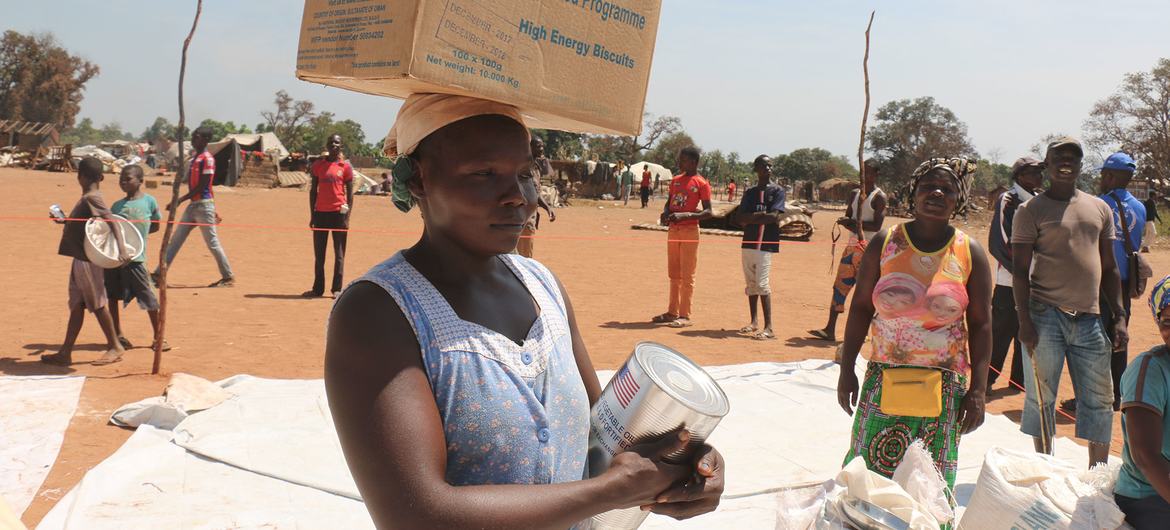

More than 2 million people in the Central African Republic are projected to face acute food insecurity between April and August 2026, including 262,000 people experiencing emergency levels of hunger, the World Food Programme (WFP) said.
The latest March 2026 Integrated Food Security Phase Classification (IPC) analysis projects that over 2 million people will face IPC Phase 3 or worse during the period, highlighting the need for sustained humanitarian assistance throughout the lean season.
The Central African Republic continues to face protracted insecurity, displacement and the spillover effects of the conflict in neighbouring Sudan, WFP said. Refugees, internally displaced people, returnees and host communities remain among the populations most affected by the worsening food security situation.
Humanitarian needs are particularly high during the peak of the lean season, while limited funding has constrained food assistance. Rising food basket costs, deteriorating household purchasing power and localized shortages of staple commodities have further increased pressure on vulnerable communities, particularly in hard-to-reach areas.
WFP said it provided food and cash assistance to more than 62,000 vulnerable people, helping stabilize household food consumption amid rising prices and worsening economic access to food.
Despite insecurity and access constraints, particularly in the north-east, WFP continues to provide an integrated response combining emergency food assistance, nutrition support, school feeding, resilience-building activities and critical supply chain services.
However, insecurity around Birao and other north-eastern areas, along with logistical challenges, seasonal road conditions and reduced funding for common humanitarian services, have continued to hamper the movement of supplies and the delivery of aid.
Access constraints also persist in border areas, including Vakaga, where humanitarian operations face significant challenges.
Meanwhile, although no Ebola cases have been confirmed in the Central African Republic, WFP is supporting government-led preparedness efforts in response to the ongoing outbreak in the neighbouring Democratic Republic of the Congo.
The agency said continued humanitarian support and sustained funding would be essential to address rising needs and prevent further deterioration in food security during the lean season.


