
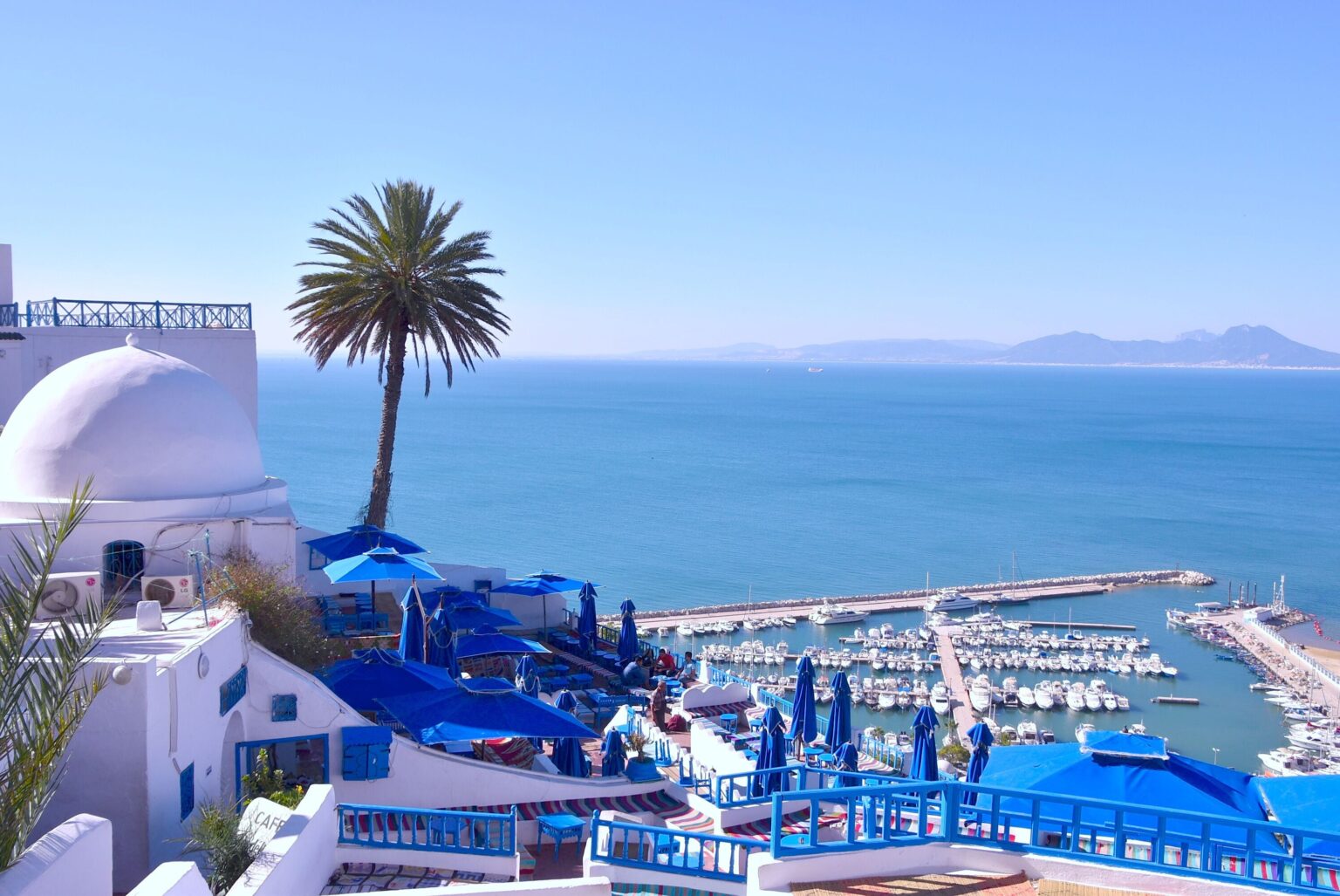

UNESCO has added Tunisia’s historic coastal town of “Sidi Bou Said” and six ancient medinas in the “Comoros” to its World Heritage List, recognizing their cultural significance while highlighting the need for stronger preservation efforts.
The decisions were announced during the 47th session of the UNESCO World Heritage Committee, expanding Africa’s representation on the global list of sites considered to have outstanding universal value.
Perched on a cliff overlooking the Mediterranean Sea and the archaeological site of Carthage, Sidi Bou Said is renowned for its whitewashed buildings, blue doors and cobbled streets. The town developed around the shrine of the revered Sufi master Sidi Bou Said al-Baji, who established a spiritual sanctuary there in the 12th or 13th century.
Tunisia’s Ministry of Cultural Affairs welcomed the inscription, saying it recognizes the town’s architectural identity, rich cultural heritage and longstanding contribution to Mediterranean civilization.
The listing comes despite growing environmental threats facing the town. Heavy rainfall earlier this year triggered landslides that damaged homes and historic buildings, underscoring concerns over cliff stability and pressure from urban development.
With the addition of Sidi Bou Said, Tunisia now has 10 properties on UNESCO’s World Heritage List.
UNESCO also inscribed six historic medinas in the Comoros, marking the island nation’s first-ever entries on the prestigious list.
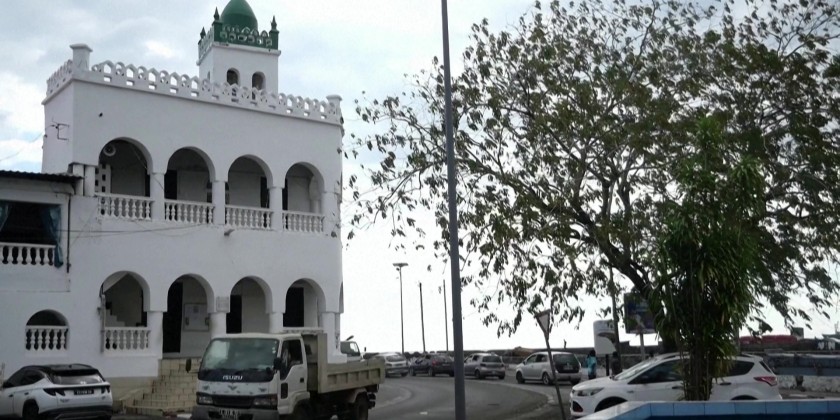
Dating from as early as the 12th century, the medinas feature palaces, mosques, public squares and narrow alleyways that reflect the architectural and cultural traditions of the Comorian sultanates. Four of the newly listed medinas are located on Grande Comore, while two are on the island of Anjouan.
Among them is the 14th-century medina of Moroni, home to the iconic Friday Mosque overlooking the capital’s traditional dhow port, while the nearby Itsandra medina is regarded as one of the cradles of Swahili civilization.
Comoros Culture Minister Said Mohamed Ali Said described the inscription as “a starting point” for protecting the country’s heritage.
“Our medinas are not just historical sites; they are living towns where people continue to pray, trade and celebrate life’s important moments,” he said, adding that UNESCO recognition would strengthen conservation efforts while opening new opportunities for cultural tourism.
UNESCO noted that although the medinas have largely preserved their historic urban layout and traditions, many of their oldest structures remain highly vulnerable and require urgent conservation.
The latest inscriptions are expected to boost heritage tourism in both Tunisia and the Comoros while encouraging greater investment in protecting Africa’s cultural landmarks.


