
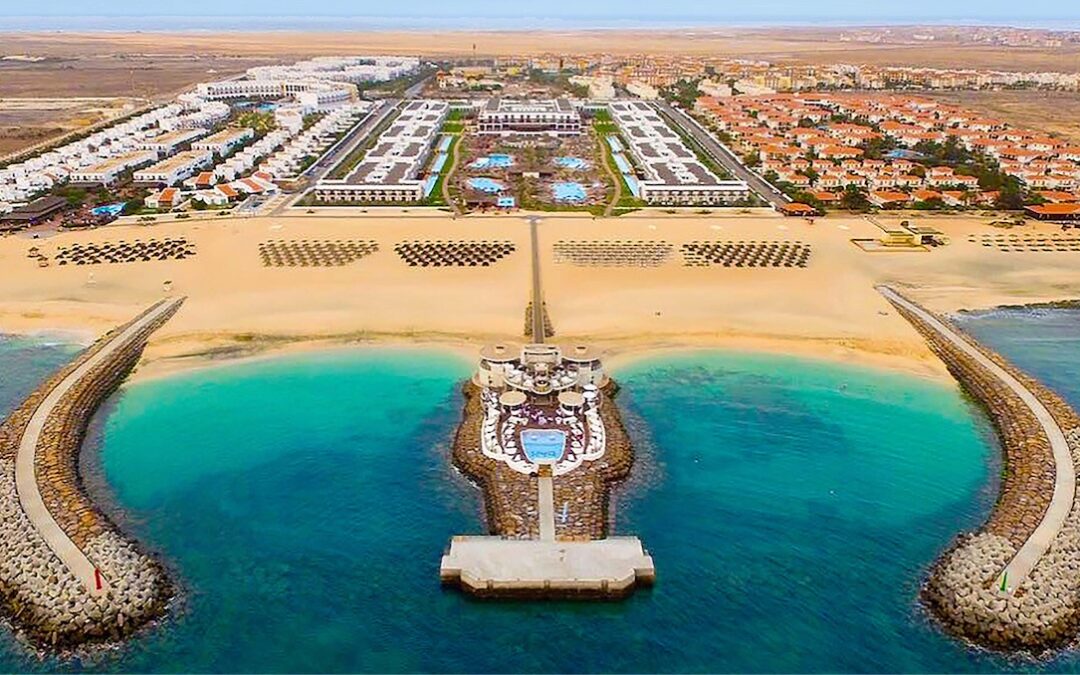

Cabo Verde’s economy grew by 6.3% in 2025, supported by record tourism arrivals, stronger household consumption and improved public finances, but structural weaknesses continue to pose risks to long-term growth, according to the World Bank’s latest Economic Update 2026 released on Tuesday.
The report, Unpacking the Inter-Island Connectivity-Growth Nexus, said the country’s economic momentum helped reduce poverty, lower unemployment and strengthen fiscal and external balances. However, it warned that dependence on tourism, fiscal exposure linked to state-owned enterprises and weak transport links between islands remain major obstacles to more inclusive and diversified growth.
“Cabo Verde’s 2025 results show what is possible when macroeconomic discipline is matched by private-sector dynamism,” said Indira Campos, the World Bank Group’s resident representative in Cabo Verde.
“The next step is to turn today’s tourism-led rebound into broader, more resilient growth by fixing the fundamentals that connect the archipelago — reliable, affordable inter-island transport.”
Inflation rose to 2.3% in 2025, while the poverty rate fell to 51.2% from 53.8% a year earlier. Unemployment declined to 6.2%, although joblessness among young people remained above 15%.
The country’s external position also strengthened, with international reserves reaching a record 975 million euros, equivalent to 7.1 months of prospective imports. Tax revenues increased by 16.8% year-on-year, helping Cabo Verde record its first fiscal surplus since 2007.
Public debt fell to 100.7% of gross domestic product, continuing a downward trend. Yet debt servicing still absorbed 34.2% of government revenues, a figure that would rise to 46.3% when obligations linked to state-owned enterprises are taken into account.
The World Bank expects growth to moderate to 4.8% in 2026 as the effects of the conflict in the Middle East and broader global uncertainty weigh on economic activity. Growth is projected to stabilize at around 5.1% over the medium term.
A key focus of the report is the role of inter-island connectivity in shaping economic performance. According to the World Bank, unreliable and costly domestic air and maritime transport services continue to hamper market integration, raise business costs and limit opportunities beyond the country’s main tourism hubs of Sal and Boa Vista.
These constraints restrict the development of domestic value chains and reduce access to economic opportunities for women, young people and communities on islands that remain less connected to major growth centers.
To address the challenge, the report recommends reforms to improve transport regulation, modernize concession frameworks and expand private-sector participation in air and maritime services.
Improving the reliability and affordability of transport would help businesses reach new markets and strengthen linkages between tourism, agriculture, fisheries, logistics and local services, creating more diversified economic activity and broader employment opportunities across the archipelago.
The report also calls for stronger governance of state-owned enterprises to reduce fiscal risks, improve service delivery and encourage private investment, arguing that such reforms will be critical to sustaining growth and building a more resilient economy.


