
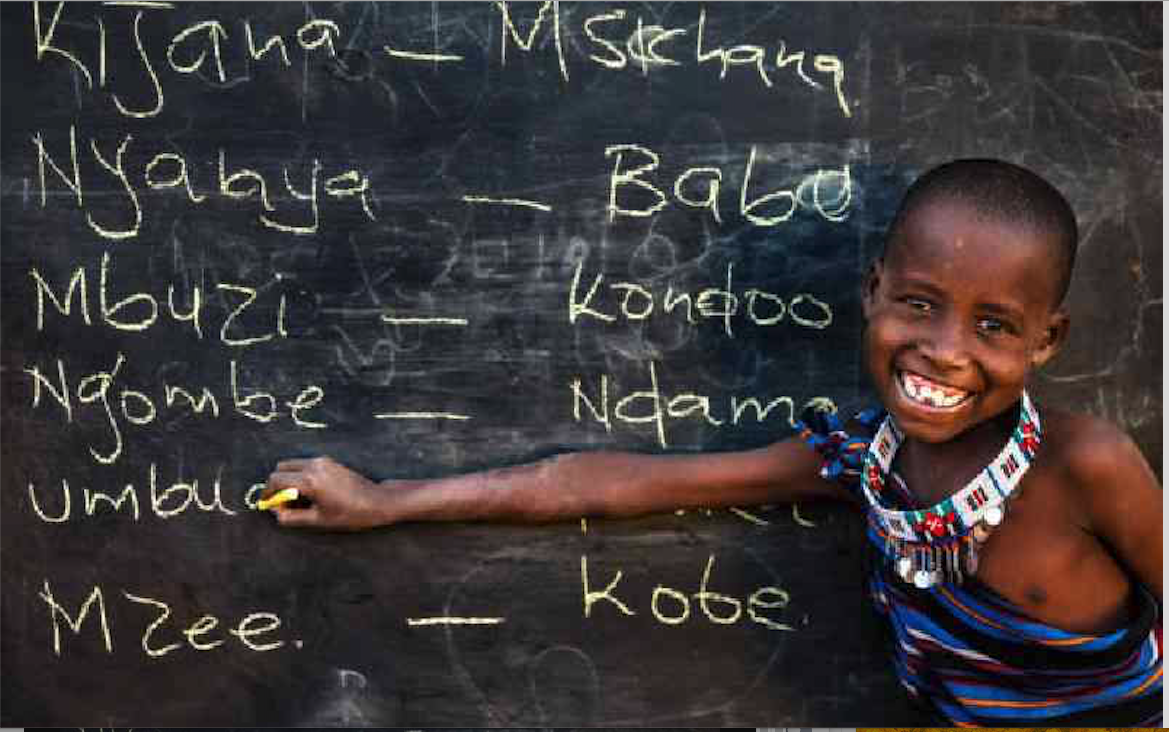

The African Union (AU) and the United Nations Educational, Scientific and Cultural Organization (UNESCO) on Monday marked World Kiswahili Language Day, highlighting the language’s growing role in advancing African integration, cultural diversity and digital innovation.
In a statement marking the occasion, the AU described Kiswahili as “a powerful symbol of Africa’s rich cultural heritage,” saying that promoting African languages strengthens cultural diversity, regional integration and the aspirations of Agenda 2063.
The AU reaffirmed its commitment to promoting multilingualism, preserving Africa’s linguistic heritage, and fostering dialogue and solidarity across the continent.
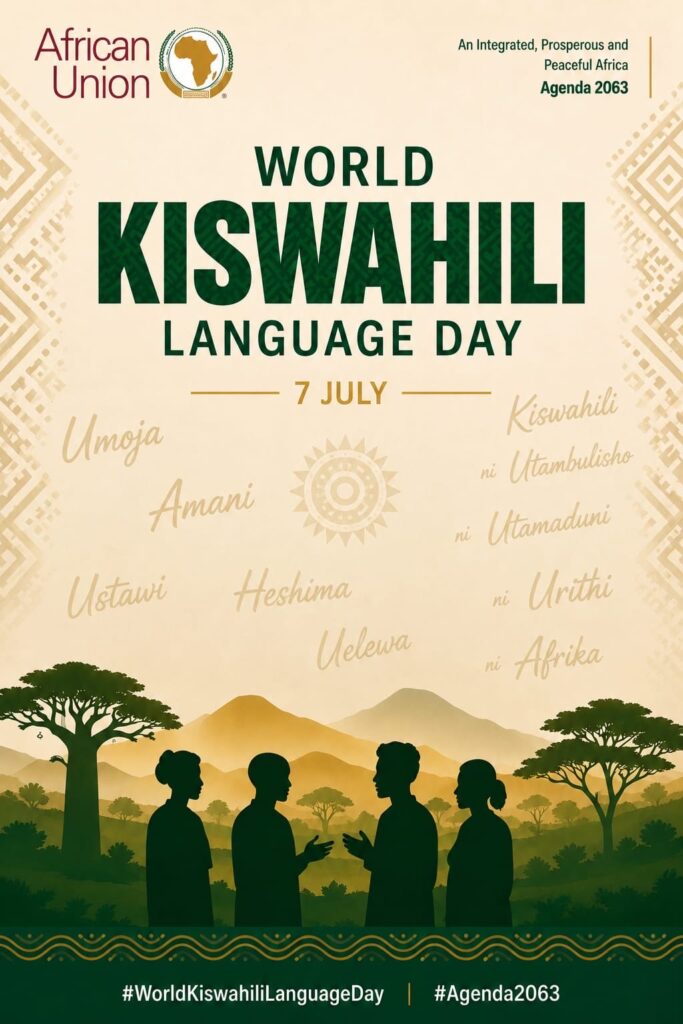
UNESCO, which established World Kiswahili Language Day in 2021 as the first United Nations-recognized international day dedicated to an African language, said Kiswahili is now spoken by more than 200 million people across Africa and beyond, serving as a bridge between cultures, communities and generations.
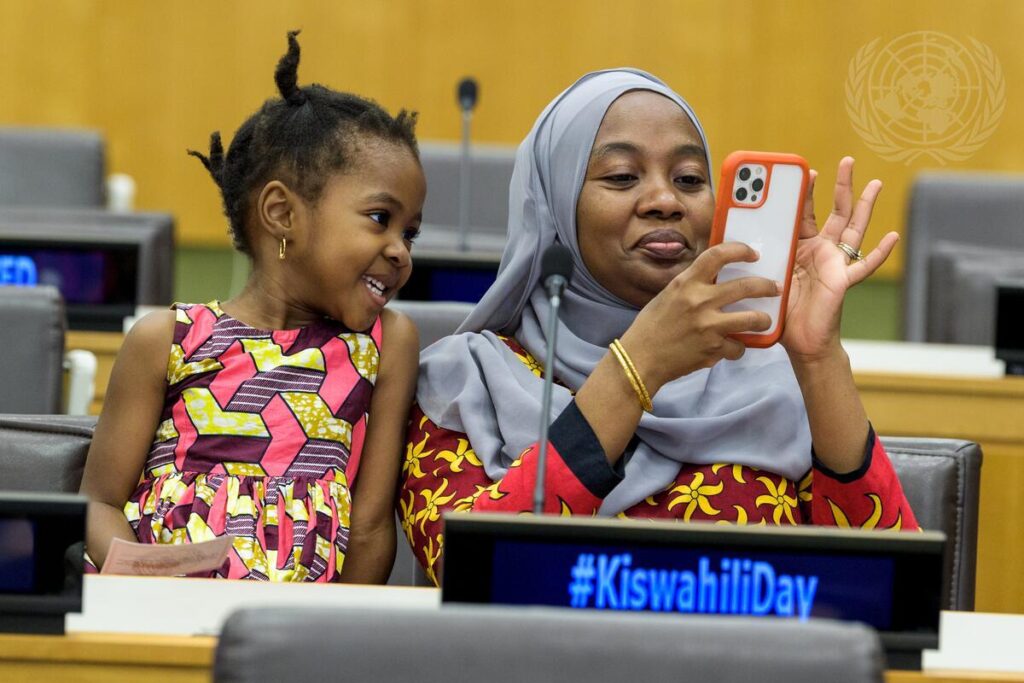
The UN entity noted that Kiswahili is an official language of both the AU and the East African Community, helping advance regional integration while complementing, rather than replacing, indigenous languages.
According to UNESCO, the initiative is intended to reduce digital language barriers and promote the inclusion of African languages in the rapidly evolving digital economy.
UNESCO also highlighted efforts to strengthen the language’s presence in emerging technologies, including the launch of an English–Kiswahili artificial intelligence dictionary in 2025 to improve access to AI terminology for educators, researchers, policymakers and innovators.
It added that the growing international recognition of Kiswahili has encouraged universities, international organizations and technology developers to invest further in the language, creating new opportunities for education, cultural exchange and economic cooperation.
Observed annually on July 7, World Kiswahili Language Day celebrates one of Africa’s most widely spoken languages and seeks to raise awareness of the importance of linguistic diversity in advancing inclusive and sustainable development.


