
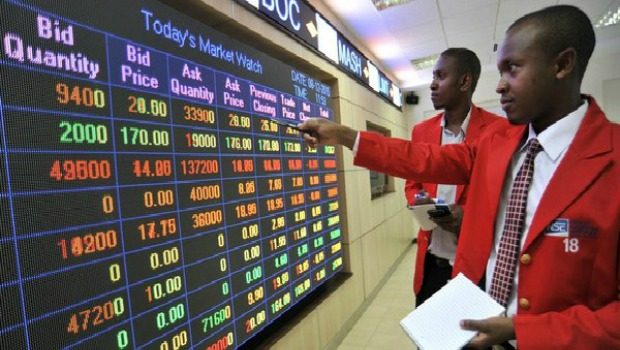

Nigeria, Egypt, Morocco, and South Africa continue to dominate Africa’s equity markets, according to the African Development Bank’s (AfDB) 2026 African Economic Outlook report. The report highlights the growing importance of capital markets across the continent despite persistent financing challenges.
According to the AfDB, Africa’s equity market capitalization increased nearly sixfold over the past two decades, reaching approximately $1.2tn in 2024, equivalent to around 40 percent of the continent’s gross domestic product (GDP). However, market activity remains heavily concentrated in a handful of economies, particularly Nigeria, Egypt, Morocco, and South Africa.
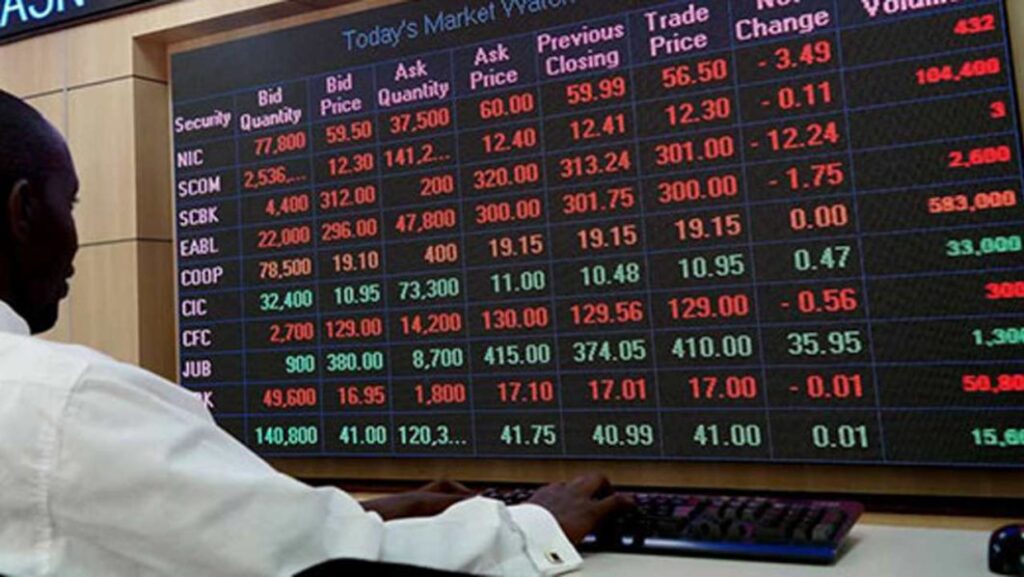
The report noted that Africa has remained one of the world’s fastest-growing regions, recording average annual real GDP growth of 3.8 percent over the past 20 years, adding that despite this progress, the continent continues to face a development financing gap estimated at more than $1.3tn annually.
Furthermore, AfDB attributed the financing shortfall to weak domestic resource mobilization, fragmented financial systems, declining foreign direct investment, geopolitical tensions, and limited external financial flows. The bank also pointed to a decline in Africa’s revenue-to-GDP ratio, which fell to 16.2 percent in 2024 from between 23 and 30 percent during the 2000s, citing weak tax compliance and narrow tax bases as key factors.
The report further noted that private-sector credit across Africa remains relatively low compared to other developing regions, underscoring the need for stronger financial systems capable of supporting long-term economic transformation.
AfDB called on African governments to strengthen domestic financial markets, improve resource mobilization, and implement reforms aimed at consolidating the continent’s financial architecture amid growing global economic fragmentation.
Nigeria’s reforms led surge in capital market
Speaking to DNE Africa, Dr. Olusegun Hakeem Adebumiti, Professor at Achievers University, said the dominance of countries such as Nigeria, Egypt, and South Africa reflects both the strengths and structural imbalances of Africa’s financial landscape.
“The recent report highlights the growing influence of major equity markets such as Nigeria, Egypt, and South Africa, but it also reveals the significant disparities that persist across the continent,” he said.
Commenting on Nigeria’s strong market performance, Adebumiti attributed the surge in the country’s capital market to a series of economic reforms introduced by the government over the past three to four years.
“The reason for the surge in Nigeria’s capital market could be attributed to the bold reforms embarked upon by the government in the last three to four years, particularly the deregulation of the oil sector and the end of the oil subsidy regime,” he said.
However, he noted that Nigeria’s relatively low foreign direct investment (FDI) inflows remain a challenge.
“Low FDI could be attributed to insecurity and banditry. The government is currently addressing these challenges in collaboration with the United States government,” Adebumiti added.
He emphasized that stronger domestic capital markets would be essential for reducing Africa’s dependence on external financing and attracting long-term investment. He also stressed that deeper financial markets, improved regulatory frameworks, and enhanced investor confidence could help mobilize domestic resources and support sustainable economic growth.


