
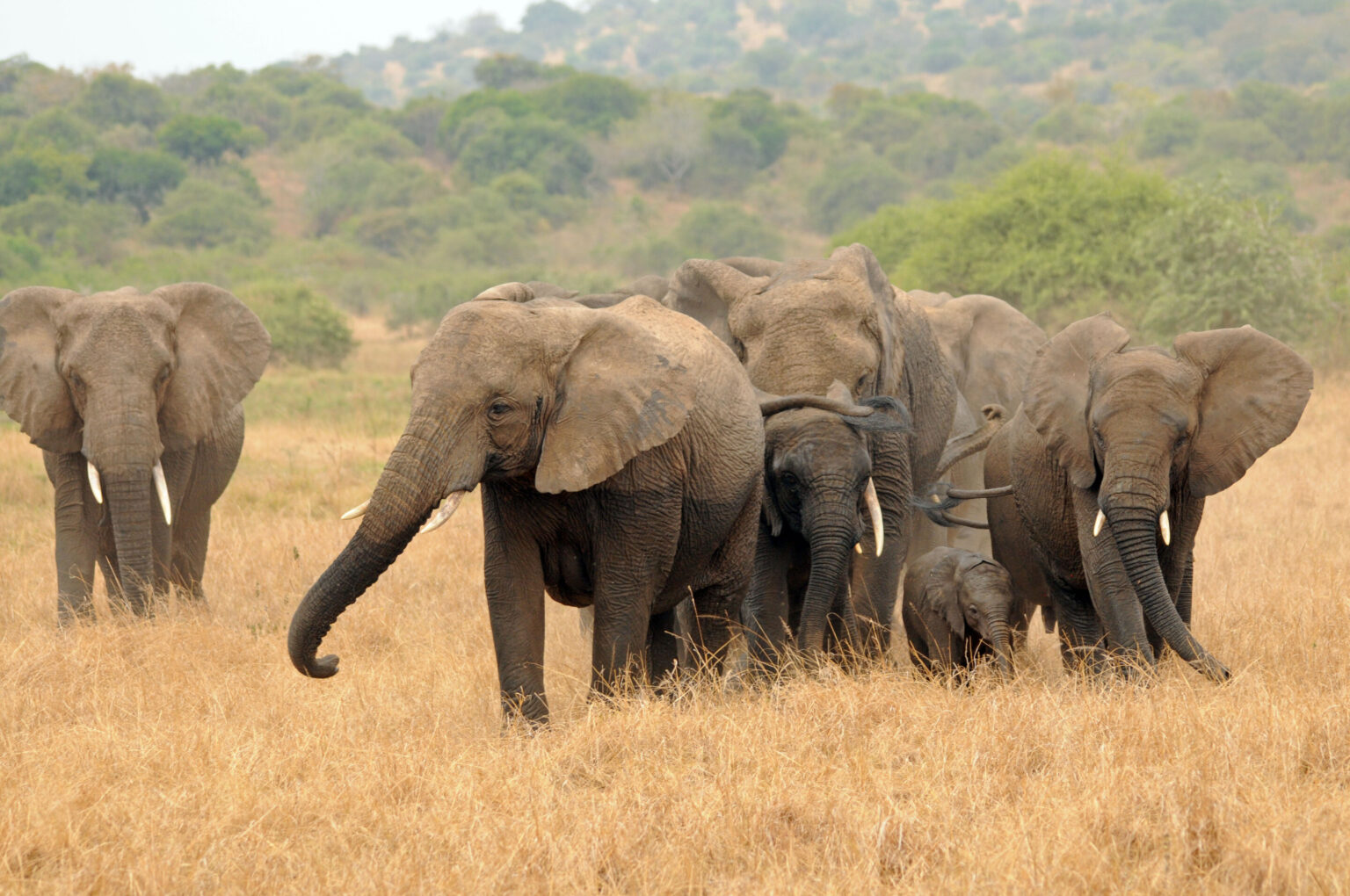

A major new genetic study has revealed how African elephants once moved freely across the continent, mixing and sharing genes over long distances—but are now becoming increasingly isolated as their habitats shrink.
The research, published in Nature Communications, is the largest genomic study of African elephants to date. Scientists analyzed 232 genomes from elephants across 17 African countries, covering both savanna and forest species.
The study was led by researchers including Patrícia Pečnerová of the University of Copenhagen and Lund University.
A history of movement and connection
For thousands of years, elephants moved across vast areas of Africa. This movement allowed different groups to mix, creating strong genetic diversity.
“Our study shows that until recently, elephants have been connected across vast distances,” said Pečnerová. “This freedom of movement has created genetic robustness because populations have intermingled.”
This mixing of genes helped elephants stay healthy and adapt to changes in their environment.
But today, that movement is becoming more difficult.
Growing human populations, farming, roads, and other infrastructure are breaking up elephant habitats into smaller, isolated areas. Hunting has also reduced population sizes in many regions.
Signs of isolation
The study found clear genetic signs that some elephant populations are now cut off from each other.
In parts of northeast Africa, such as Eritrea and Ethiopia, elephants live in small, isolated groups. These populations are separated by more than 400 kilometers from other elephants and are surrounded by farms and settlements.
In these areas, scientists found high levels of inbreeding, low genetic diversity, and a build-up of harmful mutations. This makes the animals more vulnerable to disease and environmental changes.
A similar pattern appears in West Africa, where human pressure and a long history of ivory hunting have also reduced and fragmented elephant populations.
A surprising genetic mix
The study also uncovered unexpected results.
African elephants are divided into two species: African savanna elephant and African forest elephant.
In some regions where their habitats overlap, the two species can interbreed. Researchers found that even savanna elephants living far from these overlap zones carry small traces of forest elephant DNA.
This suggests that gene exchange between the two species may have happened more widely in the past than previously thought—or that elephants once moved across the continent carrying these genes with them.
In west-central Africa, this mixing appears to have helped maintain genetic diversity in some savanna elephant populations, even where isolation and past population declines occurred.
What this means for conservation
The findings have important implications for protecting elephants.
Scientists say that maintaining connections between elephant populations is key to preserving genetic diversity. When populations become isolated, they are more likely to suffer from inbreeding and lose the ability to adapt to new challenges.
However, the study also warns against mixing elephants from different regions or species without careful planning.
Professor Alfred Roca of the University of Illinois Urbana-Champaign, a senior author of the study, said that savanna and forest elephants have followed very different evolutionary paths over millions of years.
Because of this, moving elephants between species—or even across distant regions—could do more harm than good.
“Given this history, gene flow between the species is unlikely to be beneficial, and hybrid elephants should be avoided for translocations,” he said.
Even within savanna elephants, the study found enough regional genetic differences to suggest that moving animals between different parts of Africa should be done with caution.
Using genetics to guide the future
The researchers say their work shows how genetic data can help guide conservation efforts.
By understanding how elephant populations are connected—and where they are becoming isolated—conservationists can better plan how to protect them.
This could include preserving wildlife corridors that allow elephants to move between habitats, as well as avoiding actions that could harm their genetic health.
As human activity continues to reshape landscapes across Africa, the study highlights a growing challenge: how to protect wide-ranging species like elephants in a world where space is becoming increasingly limited.
Without action, scientists warn, the loss of connection between elephant populations could weaken the species over time—making it harder for them to survive in a changing environment.


