


The newly unified Amhara Fano National Movement (AFNM) has seized 20 districts and cities in a four-day offensive sources told DNE Africa, marking a significant escalation in the conflict against Prime Minister Abiy Ahmed’s administration.
Fano successes: Why it matters
- Centralised Resistance: The recent formation of the AFNM under Chairman Zemene Kassie has shifted Fano from fragmented guerrilla units into a cohesive military and political force.
- Strategic Erosion: By capturing over 20 districts, including the strategic hub of Debre Tabor, Fano is effectively dismantling federal control over the Amhara region’s infrastructure and prison systems.
- Why Now: This surge in territorial control coincides with intensified drone warfare and the unification of resistance groups, creating a “zero-click” summary for those tracking Ethiopian stability and regional security.
The Big Picture
The Amhara region has endured 30 months of persistent armed resistance. What began as a local militia uprising against the 2023 dissolution of regional special forces has evolved into a national movement. The AFNM’s recent successes reflect a broader geopolitical shift as various Amhara factions align under a centralized command to challenge the federal government’s legitimacy and military dominance in Northern Ethiopia.
By the Numbers
The following data reflects the human and material impact of the recent four-day offensive:
| Category | Metric |
| Captured Districts/Cities | 20 (including Ebinat, Alem Ber, Simada) |
| Prisoners Released | 1.5k+ (from Gafat Federal Prison) |
| Regime Drone Attacks | 16+ (targeting Debre Tabor) |
| Seized AK Rifles | 2.3k (AK-103 and AK-47 variants) |
| Machine Guns Seized | 82 PK units; 13 Doshka heavy weapons |
| Sniper Rifles Seized | 23 LCT LK-SVD AEG units |
Between the lines

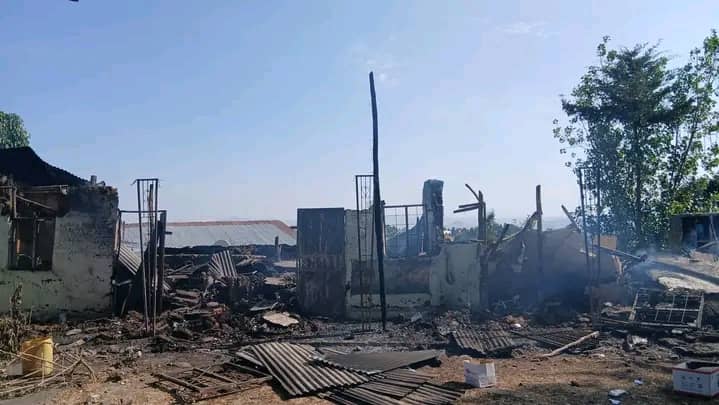
The regime’s decision to target its own police stations and civil service buildings in Debre Tabor with drone strikes reveals a desperate “scorched earth” tactic. By destroying these facilities, federal forces are attempting to deny Fano access to existing military equipment and administrative centers. However, the warm welcome Fano has received from local communities suggests the movement is successfully transitioning from combatants to civil administrators in the areas they control.
What to watch
- Zemene Kassie’s Leadership: As Chairman, Kassie’s ability to maintain discipline across the 13-member central command will determine if Fano can hold urban centres like Debre Tabor.
- Federal Response: Watch for further “socio-economic strangulation” through road blockades and communication blackouts as the ENDF tries to isolate the AFNM.
- Political Consolidation: The movement’s next step involves formalising the political wing led by Geta Asrada to engage with the international community.


