
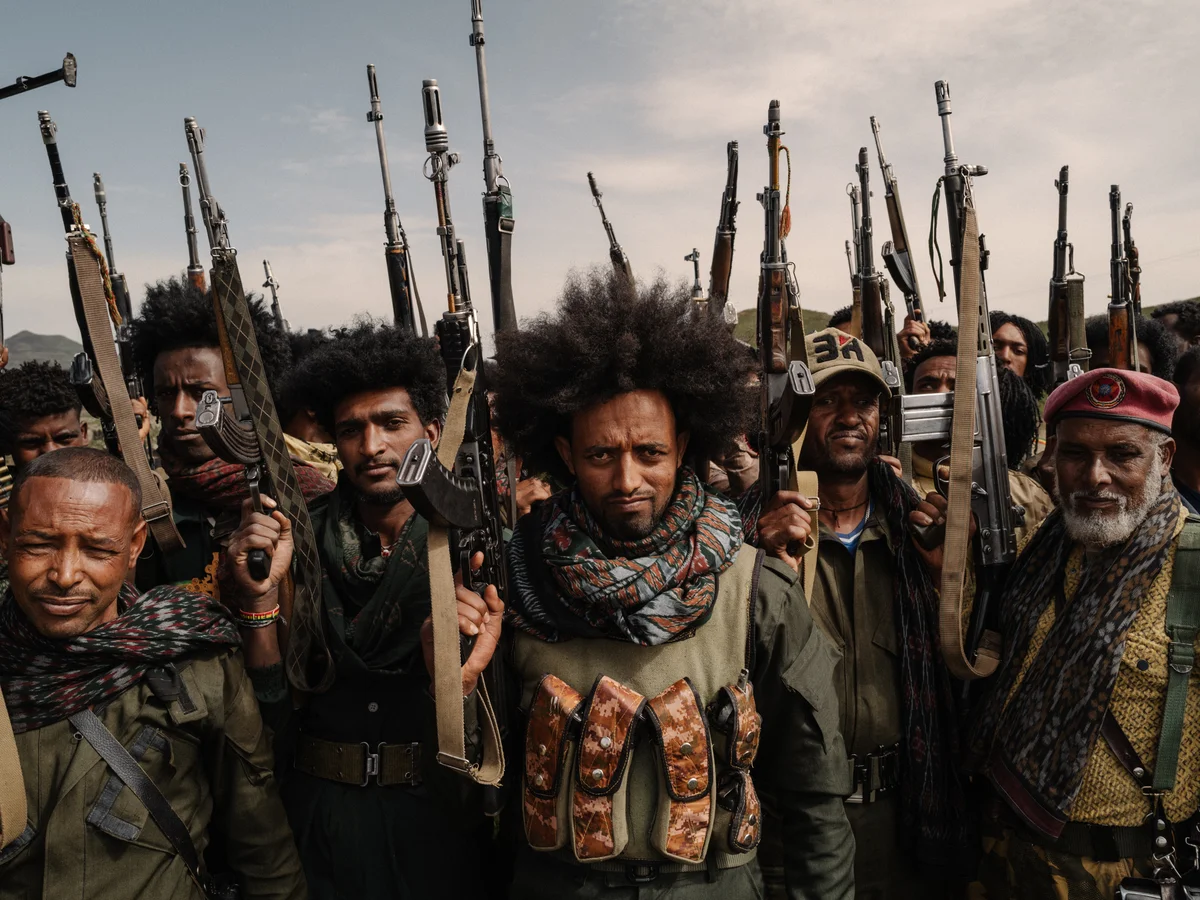

After two years of grueling resistance and internal maneuvering, the Fano movement has reached a watershed moment. Emerging from a period of fragmented struggle against the administration of Prime Minister Abiy Ahmed, the movement has officially announced a unified front and a consolidated leadership—marking a definitive shift in Ethiopia’s volatile political landscape.
For many Ethiopians, this development is more than a mere organizational update; it is a long-awaited signal of strategic coherence. For a resistance movement that has come to symbolize defiance against what many characterize as an exclusionary and authoritarian regime, this central command provides the direction that was previously missing. The announcement has been greeted with palpable relief and a surge of optimism among communities that have long endured the brunt of violence, displacement, and systemic repression.
Unified Fano leadership: From fragmented resistance to national hope
While Fano began as a decentralized grassroots force—propelled by local youth and self-defense units—its effectiveness was frequently hindered by regional silos and the lack of a singular voice. The newly declared unity addresses these structural vulnerabilities, presenting a more sophisticated and coordinated front both on the battlefield and at the political negotiating table.
Supporters view this consolidation as a direct response to the Ethiopian people’s plea for a collective national struggle rather than isolated regional skirmishes. Across social media and within the global diaspora, the reaction has been one of profound pride, with many framing this milestone as the “unity of the children of freedom fighters.”
With a clear leadership structure now established, the stakes have been raised. There is a growing expectation that this unified Fano will provide enhanced protection for civilians, articulate a more refined set of political objectives, and exert the necessary pressure to force a genuine national dialogue and democratic transition.
While Ethiopia’s path forward remains fraught with challenges, Fano’s announcement has undeniably altered the political calculus. For a population exhausted by years of conflict and broken promises, this newfound unity has become a vessel for hope. For the first time in recent memory, many Ethiopians feel that the prospect of true freedom is no longer a distant aspiration, but a tangible goal.


