

In a decisive diplomatic move, Egypt has formally addressed the United Nations Security Council (UNSC), warning of the grave dangers posed by recent escalations surrounding the Grand Ethiopian Renaissance Dam (GERD) and broader developments in the Eastern Nile Basin. Cairo urged the international community to act swiftly to prevent unilateral measures that could undermine regional stability and jeopardize Egypt’s vital water security.
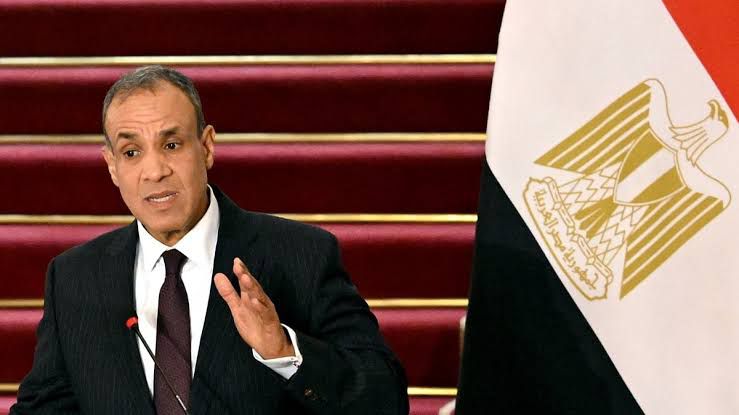
Egypt’s Minister of Foreign Affairs and Egyptians Abroad, Badr Abdelatty, delivered the official communication to the President of the Security Council on 9 September 2025. According to a statement released by the Ministry of Foreign Affairs, the letter highlighted Egypt’s deep concerns over “unilateral measures that constitute a grave violation of international law, undermine the rights of Nile Basin countries, and threaten the interests of present and future generations.”
The ministry stressed that Cairo’s decision to escalate the matter before the UNSC was not a political gesture, but a legal necessity to protect Egypt’s inherent and historic rights to the Nile waters. “The right to life cannot be subject to bargaining or coercion. Egypt rejects any unlawful or unilateral acts that compromise its water security,” Abdelatty said, reaffirming that Egypt’s stance rests firmly on international law and established treaties governing the use of shared watercourses.
Cairo’s Firm Stance on GERD
Egypt’s latest appeal comes amid what it described as “alarming attempts” linked to the management and filling of the Grand Ethiopian Renaissance Dam. The Foreign Ministry accused Ethiopia of pursuing escalatory policies that disregard both bilateral agreements and international conventions, particularly those stipulating the obligation to avoid significant harm to downstream states.
The statement denounced what it called “provocative maneuvers” that could lead to heightened regional instability, adding that Cairo’s appeal to the Security Council was intended to prevent matters from spiraling into conflict. Egypt, it underlined, has always acted in good faith, exhausting every avenue of negotiation, diplomacy, and mediation over the past years, including United Nations forums, African Union-led processes, and other international platforms.
Appeal for Global Responsibility
In its letter, Egypt urged the Security Council to shoulder its primary responsibility under the UN Charter to maintain international peace and security. The ministry insisted that the Council cannot remain passive in the face of unilateral actions such as the GERD, which directly jeopardize the survival of over 100 million Egyptians and destabilize a sensitive region.
“Egypt’s patience should not be misconstrued as weakness. We have consistently sought fair, balanced, and cooperative solutions that safeguard the rights of all riparian states. However, Egypt will never accept attempts to impose a new reality on the Nile that undermines its water security and violates its sovereignty,” the statement read.
The Foreign Ministry further warned that the current situation risks setting a dangerous precedent in global water governance, encouraging unilateral exploitation of shared rivers and fueling future conflicts worldwide.
Egypt Reaffirms Commitment to Peaceful Resolution
Despite the sharp tone, Egypt reiterated its preference for diplomacy over confrontation. Abdelatty emphasized that Cairo remains open to constructive dialogue and cooperative mechanisms aimed at reaching a sustainable and legally binding agreement on the GERD.
“Egypt does not oppose development or equitable use of the Nile waters, but such development must not come at the expense of Egypt’s fundamental right to water security,” the Foreign Minister explained.
Cairo has consistently signaled that it supports African-led solutions and regional cooperation, provided these efforts respect international law and recognize the interdependence of Nile Basin states.
Firm Message to the International Community
Concluding its message, Egypt underscored that its recourse to the Security Council is a measure of last resort, reflecting both the urgency of the GERD crisis and the seriousness with which Cairo views the potential consequences of ongoing developments.
“Egypt’s national security and the well-being of its people are directly tied to the Nile. Any unilateral action that undermines this lifeline is a red line. We call upon the international community to act swiftly and decisively to prevent escalation and to uphold justice, equity, and international law,” the Foreign Ministry stated.
With this move, Egypt has placed the future of the GERD dispute squarely before the world’s most powerful international body, signaling that the stakes have now shifted from regional negotiation tables to the global stage of international diplomacy.


