
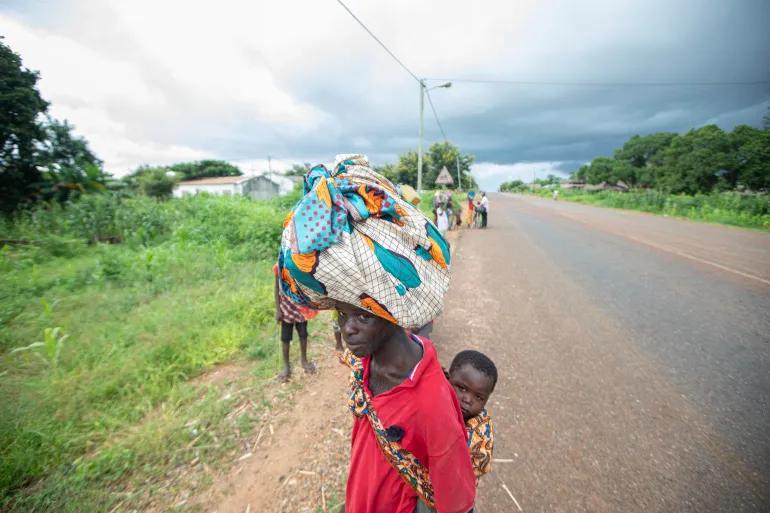

Nearly 60,000 people have been displaced from northern Mozambique’s Cabo Delgado province over the past two weeks due to intensifying violence linked to an insurgency by militants affiliated with the so-called Islamic State (ISIS), according to the International Organization for Migration (IOM).
In a statement issued Tuesday, the IOM reported that 57,344 individuals—equivalent to more than 13,000 families—have fled their homes since a new wave of attacks began on 20 July. The Chiúre district was the hardest hit, with around 42,000 people forced to flee, more than half of them children.
Paula Emerson, head of the UN Office for the Coordination of Humanitarian Affairs (OCHA) in Mozambique, told Agence France-Presse that only 30,000 displaced people have received emergency food, shelter, and essential supplies so far. She warned that humanitarian operations in Mozambique are severely underfunded, with only 12% of required aid resources secured.
Nearly a Decade of Conflict
Mozambique has been battling a brutal Islamist insurgency in Cabo Delgado since 2017. The group, locally known as Al-Shabab (not affiliated with the Somali group of the same name), has waged deadly attacks on civilians and government forces, displacing over a million people over the past eight years.
In response, Rwanda has deployed troops to support Mozambican security forces in containing the insurgency. Despite regional military interventions, the violence persists, especially in remote areas.
According to data from the Africa Center for Strategic Studies, more than 6,000 people have been killed since the conflict began, including 364 in 2024 alone.
In a separate development, Human Rights Watch last month raised alarm over a surge in child abductions by armed groups, with children being used as fighters, forced laborers, or subjected to forced marriages. The rights watchdog stressed that recruiting children under 15 for combat constitutes a war crime under international law.
The recent surge in violence underscores the fragility of security gains in the region and highlights the urgent need for scaled-up humanitarian assistance. Aid agencies continue to call on the international community for immediate support to prevent further displacement and protect vulnerable populations, especially children.


