
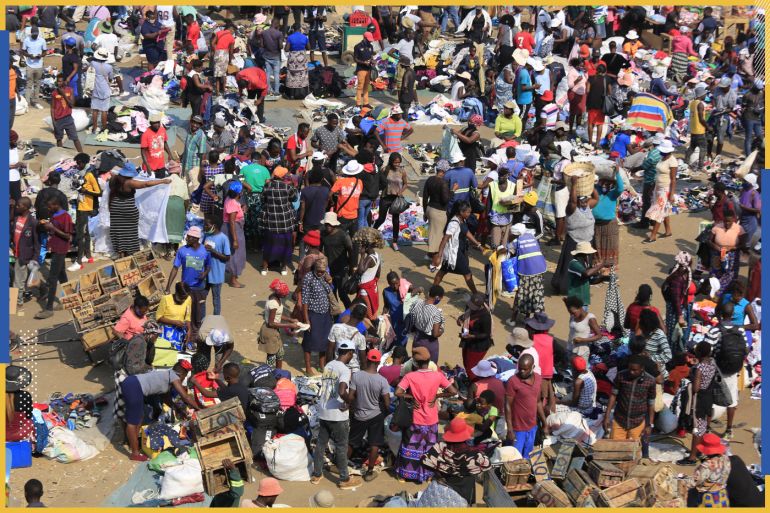

Zimbabwe has announced a blanket ban on the import and sale of secondhand clothing, alongside sweeping new regulations aimed at curbing informal economic activities such as street vending and unlicensed night markets.
The move, revealed by Local Government Minister Daniel Garwe during a high-level meeting with Harare City Council members and elected municipal officials on Monday, is part of what the government describes as an effort to revive formal businesses and restore order in the capital.
Minister Garwe said unregulated trade has undermined licensed businesses and distorted market competition, stressing that “continued engagement in these now-prohibited activities is unacceptable under the new regulatory framework.”
The government also raised security and public health concerns, linking unregulated night markets to the spread of drugs and the circulation of unsafe goods. Garwe warned that such informal activities pose a threat to national security and economic stability, and called on local stakeholders to support enforcement of the new measures.
Authorities have instructed security forces to enforce the rules with sensitivity, in light of previous crackdowns that resulted in civilian injuries during urban clean-up operations. Garwe emphasized that enforcement does not mean violence, urging constructive engagement with street vendors’ associations and civil society.
The minister also urged transport authorities to implement mechanisms to ease traffic congestion, which continues to hamper efforts to organize and regulate the city’s overcrowded streets.
The ban on secondhand clothes—commonly imported and widely worn in Zimbabwe—has already triggered debate, as it affects a large portion of the informal economy and low-income earners. However, the government maintains that protecting the domestic textile industry and formal retail sector is a long-term priority.
Observers say the crackdown may mark a turning point in Zimbabwe’s urban policy, as authorities seek to reclaim control over public spaces and formalize key sectors of the economy.


