
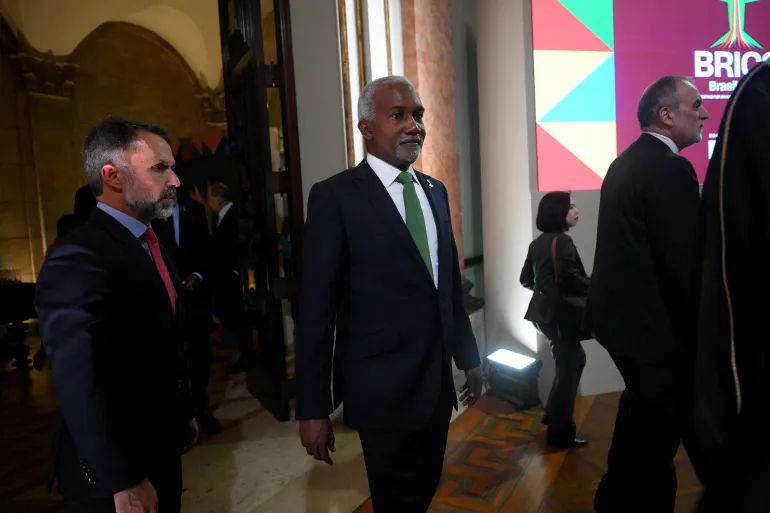

Nigeria has rejected a proposed U.S. deportation scheme aimed at relocating asylum seekers from third countries to African soil, signaling growing resistance across the continent to transactional diplomacy and conditional aid.
In comments published by Foreign Policy, Nigerian Foreign Minister Yusuf Tuggar said his country “has enough of its own challenges” and would not serve as a dumping ground for migrants with no ties to the country. The remarks came in response to pressure from the Trump administration, which has sought bilateral agreements with African nations to host deportees from Latin America and elsewhere in exchange for economic incentives.
The U.S. proposal is seen as part of a broader policy trajectory that began during Trump’s first term and has since expanded to Africa. Similar to controversial agreements between the UK and Rwanda or EU externalization deals, the U.S. strategy relies on promises of aid, relaxed visa rules, and improved trade terms to encourage compliance.
However, Nigeria’s rejection—delivered unequivocally by Tuggar in July—marks a strategic shift. Writing in Foreign Policy, NYU professor and Nigerian academic Olajumoke Ayandele described the move as “a defense not just of Nigeria’s borders, but of its sovereignty and independent foreign policy.”
Domestic Pressures and Policy Priorities
Nigeria is already under immense socioeconomic strain, grappling with youth unemployment, regional insurgencies, a 137% prison overcapacity rate, and worsening food insecurity. Absorbing stateless migrants, Ayandele argued, would overload already fragile institutions and distract from urgent domestic needs.
The country’s refusal also reflects its evolving foreign policy framework, grounded in four pillars: democracy, development, demography, and diaspora. Under this approach, Nigeria seeks to lead Africa through a sovereign, reform-driven agenda—eschewing aid-for-compliance models that have long characterized relations with the West.
This positioning comes with risk. The move could strain ties with Washington, potentially affecting aid, investment, or diplomatic cooperation. But Ayandele contends that Nigeria is no longer willing to play the role of “global fixer” for Western problems.
End of the West’s Monopoly on Partnerships
Nigeria’s resistance is part of a broader continental trend. South Africa has similarly pushed back against U.S. criticism over its ties with Russia and Iran, and many African governments are increasingly turning to alternative global partners—such as China, Turkey, Saudi Arabia, the UAE, and Qatar—that offer investment without political conditions.
While those alternatives may carry their own risks—such as debt or governance issues—they are often seen as treating African nations as equal partners rather than subordinate actors.
A Wake-Up Call for Washington
Ayandele concludes that Nigeria’s stance should be read as a warning: conditional diplomacy is losing ground. Respect for African sovereignty and a shift toward mutual partnerships will define successful foreign policy on the continent moving forward.
“Nigeria’s refusal is not just symbolic—it’s strategic,” she writes. “It embodies a growing desire among African nations to renegotiate the terms of global engagement on their own terms.”


