
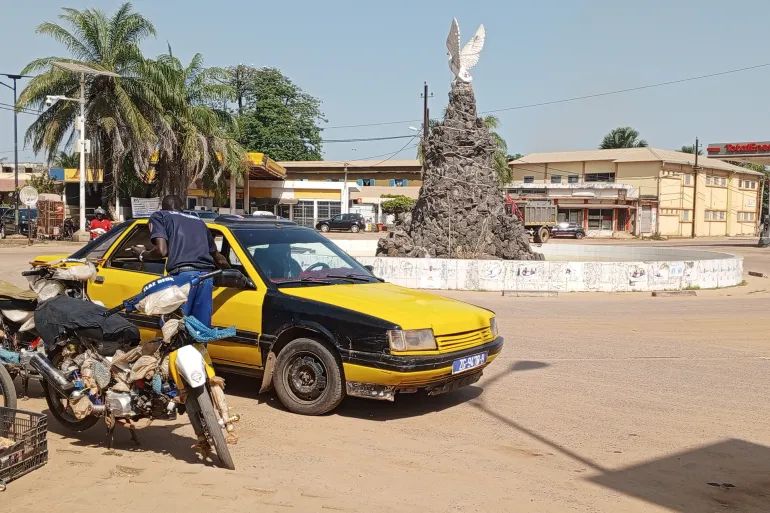

Authorities in Senegal’s eastern Bakel region have imposed a temporary nighttime ban on motorcycles and bicycles, as the country steps up security measures in response to rising armed activity near the border with Mali.
The administrative order, issued on Thursday, July 24, prohibits the circulation of two-wheeled vehicles between midnight and 6 a.m. across all localities within the Bakel department. The measure, which will remain in effect until August 24, marks an unprecedented move in a region increasingly on edge due to the spillover of militant violence from neighboring Mali.
Regional officials cited security concerns as the primary reason behind the decision. Health workers, law enforcement officers, and military personnel are exempt from the curfew, but local authorities have not provided further details on the potential threats or the extent of the risk.
The ban comes in the wake of a series of attacks reportedly carried out by suspected members of Jama’at Nusrat al-Islam wal-Muslimin (JNIM), a Mali-based militant group linked to al-Qaeda. Earlier this month, gunmen targeted several villages in Mali near the border with Senegal, including the town of Diboli, which lies just a few hundred meters from the Senegalese locality of Kidira.
The proximity of the violence has alarmed residents in Senegal’s border communities, with fears mounting that the conflict in Mali could spill across the frontier. In response, one of the country’s main transport unions has advised its members to suspend travel to Mali until further notice.
Senegal has largely remained insulated from the jihadist insurgency destabilizing much of the Sahel region, but recent developments have raised concerns about the country’s vulnerability, particularly in its eastern border zones. The government has stepped up military patrols and surveillance in the area in recent months.
Security analysts warn that porous borders and expanding militant influence in Mali could present new challenges for Senegal, which has historically enjoyed greater political stability and stronger institutions compared to its Sahelian neighbors.
The temporary vehicle restriction in Bakel is part of a broader strategy to control movement at night and disrupt potential infiltration by armed groups. While the measure may offer a short-term security buffer, local leaders are also under pressure to ensure it does not unduly restrict economic activity or civilian mobility.
As the August 24 deadline approaches, authorities are expected to reassess the situation and decide whether to lift, extend, or modify the curfew based on the evolving security landscape.


