

Tanzania’s National Electoral Commission has officially scheduled the country’s general elections for 29 October 2025, covering presidential, parliamentary, and local government races. However, the announcement has reignited political tensions following the exclusion of the main opposition party and its imprisoned leader from the upcoming vote.
The decision, revealed during a high-level meeting in the capital Dodoma, comes against the backdrop of deepening concerns over political freedom and the rule of law in the East African nation. According to the electoral body, candidate nominations will be accepted from 9 to 27 August, with an estimated 37.65 million registered voters eligible to participate in the polls.
Opposition sidelined ahead of key vote
Earlier this year, Tanzania’s electoral commission disqualified the main opposition party, Chadema, from contesting the elections. The move followed the arrest of the party’s leader, Tundu Lissu, on charges of treason—a crime punishable by death under Tanzanian law. The decision has drawn sharp criticism from civil society groups, regional observers, and political analysts who view it as a significant blow to democratic competition.
Lissu, a former presidential candidate and long-time critic of the ruling party, was detained in April amid a wider crackdown on dissent. His arrest and the subsequent disqualification of his party have raised fears of a return to the restrictive political environment seen during the presidency of the late John Magufuli, who ruled from 2015 to 2021.
Reform promises questioned
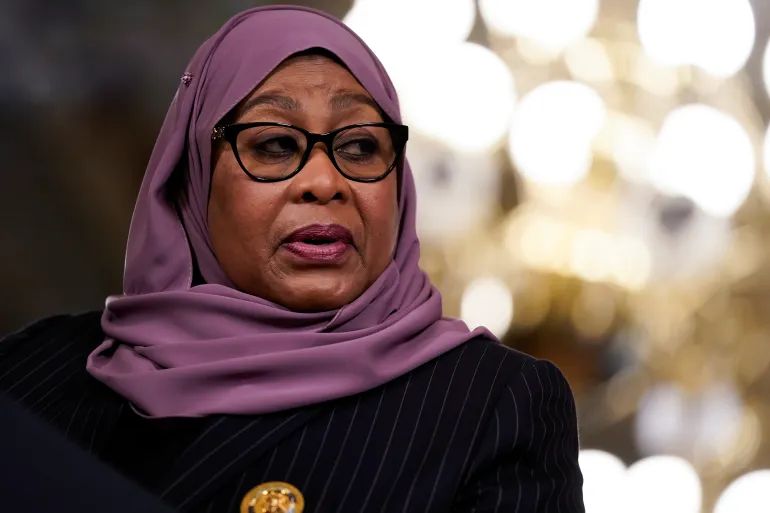
President Samia Suluhu Hassan, who took office in 2021 following Magufuli’s sudden death, had initially pledged a more inclusive and democratic approach to governance. Her administration introduced modest reforms, lifted bans on some opposition rallies, and reopened dialogue with civil society groups.
However, recent developments have cast doubt on the government’s commitment to genuine political liberalization. The dissolution of parliament in late June, followed by the controversial electoral exclusion, has led some observers to question whether the ruling party is seeking to consolidate its dominance under the guise of reform.
President Hassan has insisted that the upcoming elections will be free and fair, portraying them as a milestone in the country’s democratic trajectory. Yet the absence of the main opposition voice on the ballot may limit the scope of political competition and undermine public confidence in the electoral process.
Broader implications for East Africa
Tanzania’s political trajectory is being closely watched by its regional and international partners. The country, once seen as a model of post-colonial stability and multiparty democracy in East Africa, faces growing scrutiny over its treatment of opposition figures, media freedom, and judicial independence.
Analysts warn that the exclusion of Chadema and the ongoing detention of its leader could trigger wider unrest or electoral boycotts, especially in urban centres where opposition support is strongest. There are also concerns about voter turnout and public trust in the electoral commission’s impartiality.
With just over three months remaining until election day, the political landscape remains polarized. Whether the October vote will reinforce or erode Tanzania’s democratic credentials may depend not only on how the elections are conducted, but also on whether all political voices are given a fair chance to participate.


