
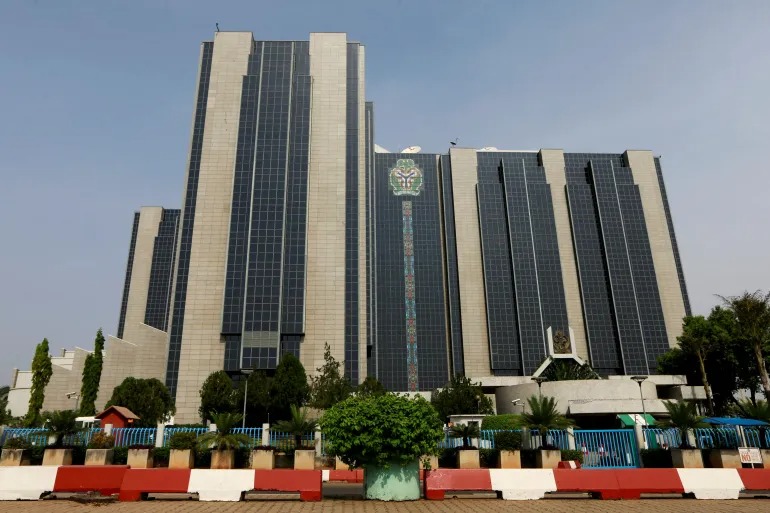

The Central Bank of Nigeria (CBN) has decided to maintain its benchmark interest rate at 27.5% for the third consecutive time this year, signaling a continued commitment to a tight monetary stance until inflation risks subside.
The decision follows a gradual decline in Nigeria’s annual inflation rate, which eased to 22.22% in June from 22.97% in May. This marks the third straight month of inflation cooling, providing cautious optimism for policymakers in Africa’s largest economy.
CBN Governor Olayemi Cardoso acknowledged the decline but emphasized that inflation remains a pressing concern. “Maintaining the current monetary policy stance will help address both existing and emerging inflationary pressures,” Cardoso said, expressing hopes of bringing inflation into the single digits in the medium term.
The Monetary Policy Committee’s decision aligned with expectations from a Reuters poll of economists, who anticipated a hold after the central bank implemented six rate hikes throughout 2024. Those aggressive moves were aimed at containing surging inflation, which had hit its highest levels in nearly three decades.
Several factors have contributed to Nigeria’s recent inflation woes. President Bola Tinubu’s sweeping economic reforms, introduced since his 2023 inauguration, included the removal of costly fuel subsidies and a significant devaluation of the naira. These measures, while intended to stabilize public finances and attract foreign investment, spurred a sharp rise in prices.
In January, inflation saw a marked drop after the national statistics office revised its methodology, changing the base year and the weighting of its inflation basket. This revision brought the annual rate down from 34.8% in December to 24.48%. However, the pace of decline has since slowed.
Governor Cardoso attributed June’s inflation slowdown mainly to falling energy costs and improved foreign exchange stability. Still, he cautioned that underlying inflationary pressures persist, as reflected in monthly price increases. He also cited global factors — including trade tensions and geopolitical instability — as continuing threats to domestic price stability.
The World Bank has echoed these concerns, warning that high inflation remains a major hurdle for Nigeria’s economic recovery. It urged continued adherence to strict monetary policies and fiscal discipline to ensure long-term macroeconomic stability.
As inflationary pressures linger and external risks mount, Nigeria’s central bank appears poised to stick with its cautious, hawkish approach — aiming to steer the country toward greater financial stability amid a complex domestic and global economic landscape.


