
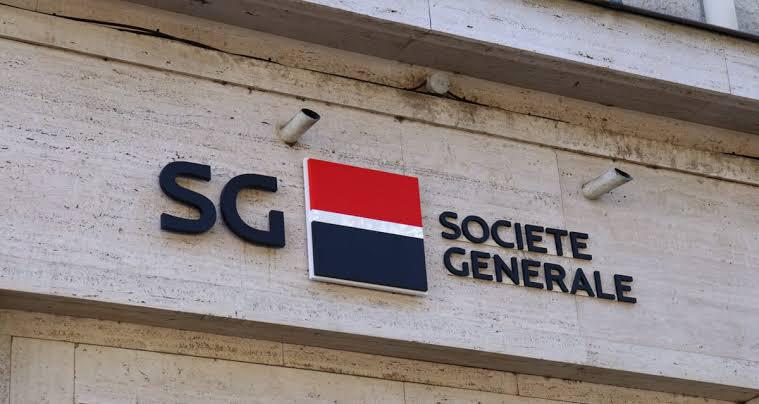

In a landmark deal signaling a shift toward greater national control over strategic financial institutions, French banking group Société Générale announced on Tuesday its agreement to sell a majority stake in its Cameroonian subsidiary to the government of Cameroon. The transaction, which has not yet had its value publicly disclosed, will cover more than 58% of the shares in the local branch, raising the state’s ownership to 83.7%.
The deal is expected to be finalized by the end of 2025, pending regulatory approvals. Once completed, it will see the Cameroonian government assume full management of Société Générale Cameroon, including control over its customer portfolio, operational activities, and workforce. The French lender stated that the transition is being undertaken with a view to ensuring stability and continuity of service for clients and staff alike.
Founded in 1962, Société Générale Cameroon has been one of the oldest and most prominent foreign bank subsidiaries operating in the Central African region, with a strong footprint in retail, corporate, and investment banking. Its majority acquisition by the state marks a strategic move by Yaoundé to assert greater financial sovereignty and reduce dependence on foreign banking institutions.
The decision comes amid a broader trend across Africa, where several governments are reconsidering the role of foreign financial institutions and seeking to strengthen domestic control over key sectors. According to Cameroonian officials, the deal aligns with the country’s long-term vision of ensuring that national resources and financial services are better directed toward inclusive development and local economic resilience.
The acquisition also takes place against the backdrop of Société Générale’s gradual withdrawal from several African markets. In recent years, the French group has sold its operations in countries such as Congo, Equatorial Guinea, and Chad, citing the need to refocus its strategy on core markets in Europe and more profitable regions.
For Cameroon, acquiring the bank presents an opportunity to recalibrate its financial priorities. Analysts say state ownership of the institution could enable the government to influence credit distribution policies, expand access to banking services in underserved regions, and align financial instruments more closely with industrial and agricultural development goals.
However, some experts also warn that successful public management of the bank will depend on the government’s ability to maintain operational efficiency, regulatory integrity, and competitiveness in a sector that remains vital for private sector growth and regional integration.
If the deal proceeds as planned, Société Générale Cameroon will become one of the most significant state-owned financial institutions in Central Africa, at a time when governments across the continent are rethinking their relationships with foreign capital and exploring new models for economic self-reliance.


