

Four Ethiopian opposition parties have raised serious concerns over what they describe as a leaked government document outlining strategies to suppress political challengers in the lead-up to the upcoming general elections.
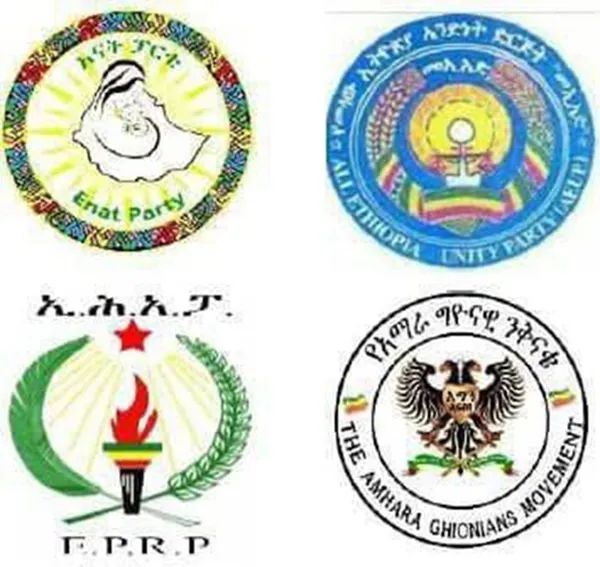
In a joint statement released on Monday, the All Ethiopian Unity Party, the Amhara Ghionian Movement, the Enat Party, and the Ethiopian People’s Revolutionary Party (EPRP) warned of a deteriorating political climate marked by increasing pressure on opposition figures, civil society, and the media.
According to the statement, the leaked document appears to be an internal directive issued to members of the ruling Prosperity Party, outlining measures to undermine opposition parties seen as potential electoral threats. The document, reportedly titled “Enemy’s New Strategy of Struggle and Directions to Tackle Them”, allegedly encourages actions such as the targeting, kidnapping, and even elimination of opposition leaders.
The parties claim that the team tasked with executing the plan is composed of personnel drawn from ostensibly neutral institutions, raising alarms about the politicization of state bodies. The document specifically names four opposition groups that are “coordinating anti-government activity,” labeling them as “destructive” and “enemies.”
The joint statement further alleges that following the circulation of the document, the Ethiopian government introduced new legislation that effectively legalizes torture under the pretext of combating terrorism and recovering illicit wealth. The new law, they argue, grants legal immunity to investigators for abuses committed against suspects — except in cases where the suspect dies in custody.
“This law is a direct violation of constitutional guarantees,” the parties said, citing infringements on the rule of law, the right to life, and personal liberty and security.
They also pointed to a resurgence of government-aligned voices — including influencers and activists — pushing narratives that portray opposition figures as threats to national stability. This, they said, mirrors the propaganda tactics used by Ethiopia’s previous regime to silence dissent.
The statement concluded with a warning that short-term repression may consolidate power, but it risks igniting long-term instability. The parties called on the government to end politically motivated targeting of opposition leaders, business figures, and activists, and to respect the independence of state institutions.


