
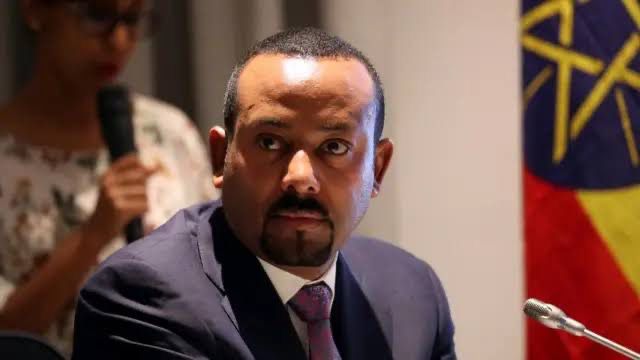

The Tigray People’s Liberation Front (TPLF) has issued a firm denial in response to Prime Minister Abiy Ahmed’s recent warning about a potential new conflict in northern Ethiopia, insisting that the group has neither interest in nor preparation for war.
In a statement released on Saturday, the TPLF dismissed allegations made by the Prime Minister during his address to parliament earlier this week, in which he warned that another war could be “more devastating than the last” and called on religious leaders and diplomats to intervene preemptively.
Abiy had hinted that certain foreign actors may be emboldening TPLF ambitions, alluding to what he described as assumptions that “some countries would support us if war broke out.” The federal government has repeatedly accused Eritrea of backing the TPLF to destabilize northern Ethiopia — a charge that has gained new attention following unconfirmed reports of coordination between TPLF forces and the Eritrean military, especially in the disputed Zalambessa border area.
The TPLF, however, has rejected these allegations and invited mediators from the African Union as well as international observers to visit Tigray and “see the reality on the ground.” According to DW Amharic, the group stated that religious leaders, academics, and business figures could all verify that Tigray remains committed to peace.
Despite these assurances, concerns persist over TPLF movements in the contested Wolkait region, where local sources report that Tigrayan forces have mobilized from three directions in an apparent attempt to regain control of the territory. Wolkait was originally part of the Gondar province but was absorbed into the Tigray region in 1991 under TPLF rule. It reverted to Amhara control following the 2020–2022 war, which began when TPLF forces allegedly attacked the federal Northern Command in Tigray.
The TPLF maintains that its claim to Wolkait is grounded in the Pretoria Agreement signed in November 2022, citing provisions that call for the “constitutional resolution of contested areas.” Yet, the group’s continued military presence — reportedly exceeding 200,000 armed personnel — has drawn criticism for undermining commitments to disarm.
Adding to the complexity, a breakaway faction from the TPLF’s military wing has emerged under the name “Tigray Peace Force” (TPF). This group, reportedly training in Ethiopia’s Afar region, is said to oppose both the TPLF leadership and its alleged alignment with Eritrea. Although independent verification remains limited, credible reports suggest TPF units have already crossed into Tigray, raising fears of internal fragmentation within the region’s armed forces.
The Ethiopian Human Rights Commission has not issued any formal comment on the developments, but observers warn that continued militarization of disputed zones may jeopardize the fragile peace built since 2022.
The TPLF’s statement closes with a renewed call for dialogue and constitutional mechanisms to resolve territorial disputes — but tensions on the ground suggest that political assurances alone may not be enough to prevent renewed violence.


