
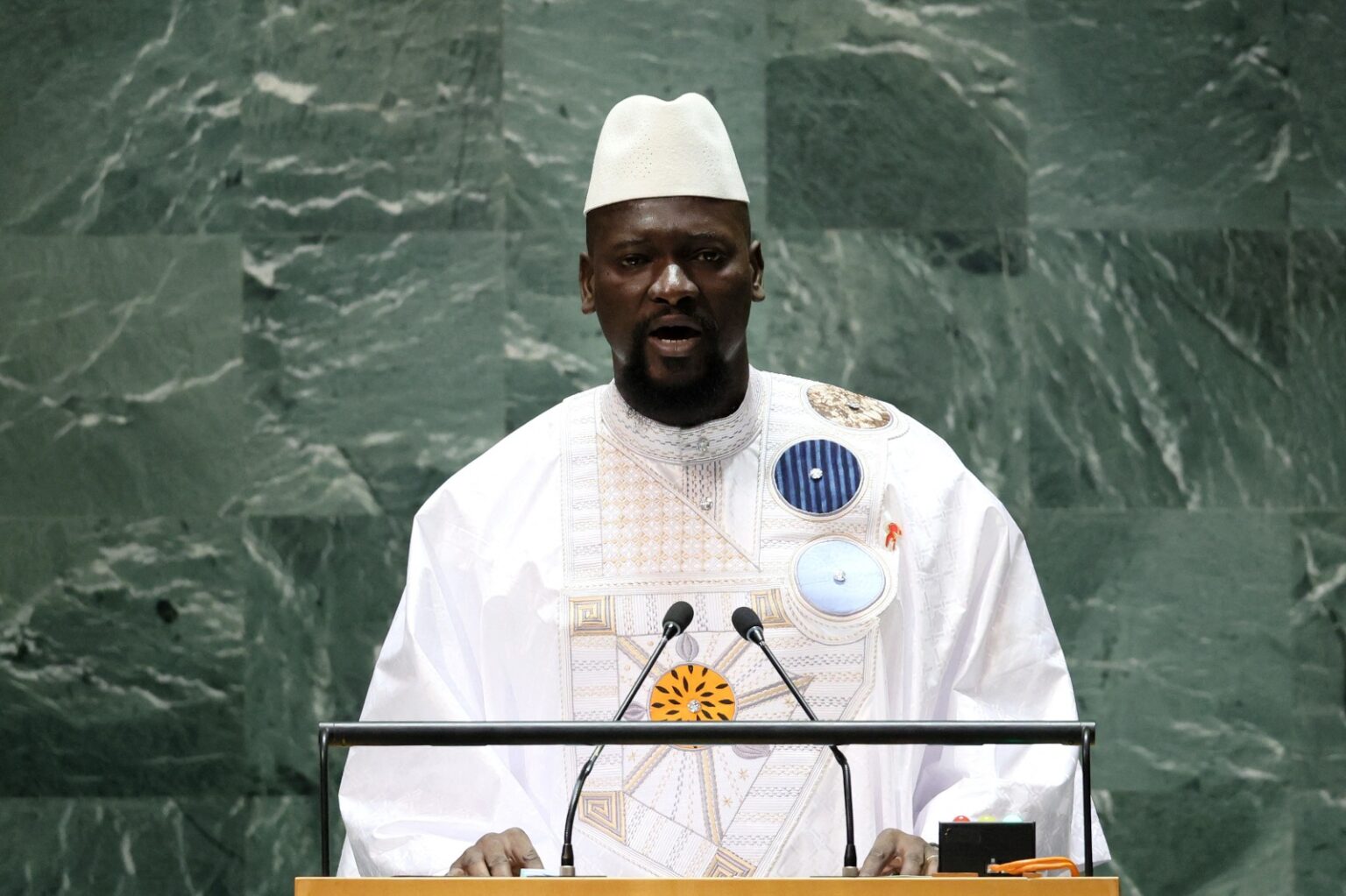

A newly proposed draft constitution in Guinea has stirred political controversy after it was revealed that it would allow President Mamady Doumbouya to seek a fresh mandate, despite earlier commitments to a civilian-led transition.
The draft, unveiled on 29 June by Transitional National Council (TNC) President Dansa Kourouma, introduces a single 7-year presidential term renewable once, effectively capping presidential tenure at 14 years. However, the proposal also allows Doumbouya — the military leader who seized power in 2021 — to contest the upcoming election, a provision that critics argue violates the transition charter.
Kourouma announced that the draft was submitted to Doumbouya on 26 June and described it as a step toward institutional reform.
Notably, the new constitution includes provisions for the creation of a Senate, expanding the country’s legislative framework.
While the draft has already been approved in a closed-door vote by the TNC, it will not be published until Doumbouya himself authorizes its release, raising concerns over transparency and political intent.
The proposed constitution is expected to be put to a national referendum in September 2025, pending Doumbouya’s approval.
Political observers say the proposal could pave the way for Doumbouya to remain in power well beyond the expected transitional period, despite earlier promises of restoring democratic rule.
Critics argue that the move undermines the spirit of Guinea’s transition and may set a precedent for prolonged military-led governance in West Africa, where coups and constitutional revisions have become increasingly common in recent years.


