
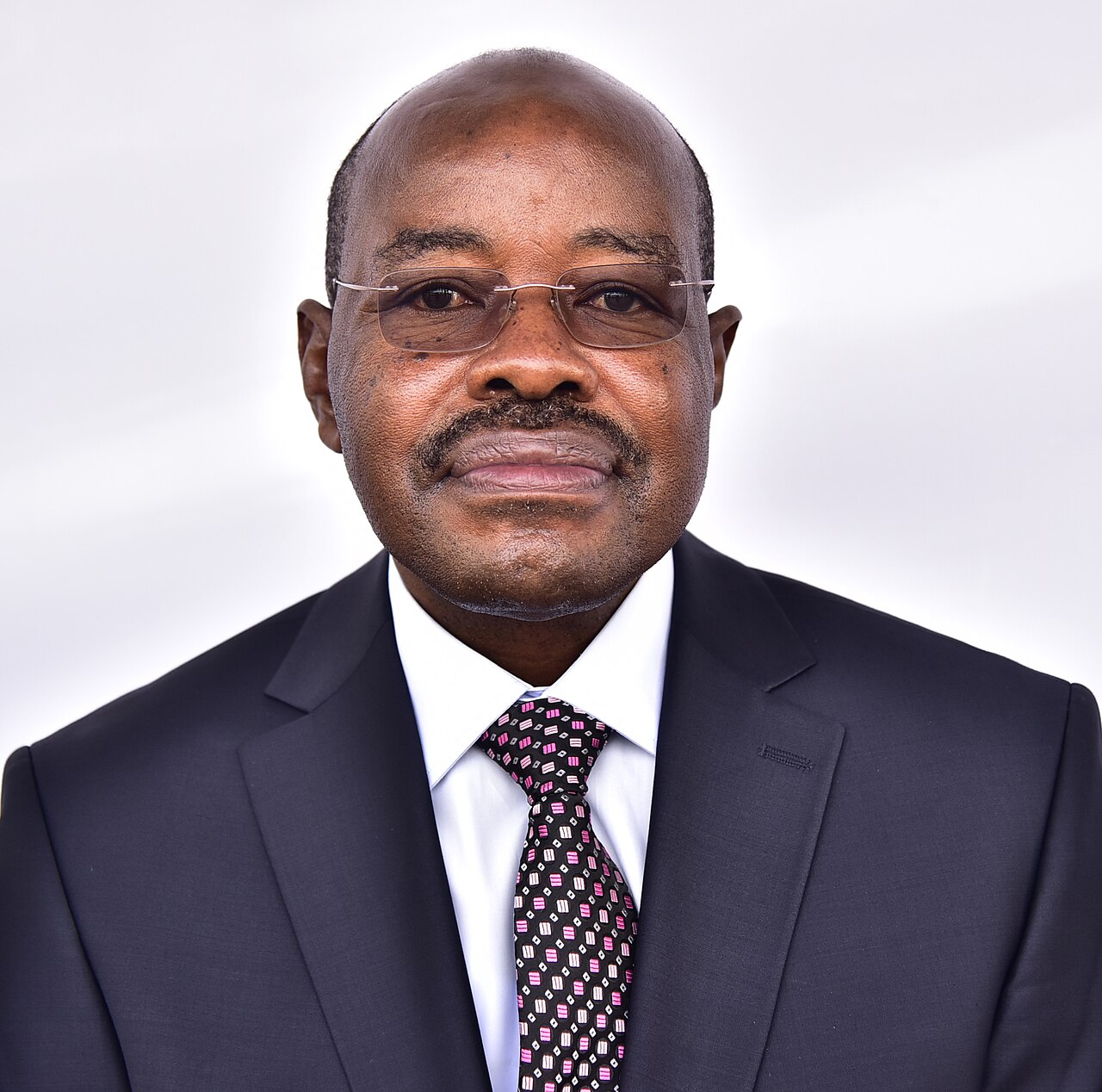

Uganda’s extractive industries generated about Shs663.24bn ($180mn) in revenue in the 2023/24 financial year, Minister of State for Planning Amos Lugoloobi said at the launch of the fifth Uganda EITI report in Kampala.
Mining and quarrying accounted for Shs336.97bn, he said, according to a statement from the Ministry of Finance, Planning and Economic Development.
What did the Uganda EITI report launch focus on?
Lugoloobi asked whether the government was collecting all revenue due and whether Uganda was maximising the value of minerals before they leave the country. He said reporting under the Extractive Industries Transparency Initiative could help identify under-reporting and weak tax compliance, and improve collection of royalties, corporation tax, withholding tax and surface rentals.
“EITI should not be viewed simply as a reporting exercise,” he said, describing it as an instrument for domestic revenue mobilisation.
Why does it matter?
Uganda joined the EITI in 2020 and is preparing for oil production from its Lake Albert fields, which will sharply raise extractive revenue. Questions about revenue collection are also central to the outlook for the Uganda shilling.
FAQ
How much did Uganda’s extractive sector earn?
About Shs663.24bn in 2023/24, including Shs336.97bn from mining and quarrying, according to the minister.
What is the Uganda EITI report?
It is Uganda’s fifth report under the Extractive Industries Transparency Initiative, reconciling company payments and government revenue.
Who launched it?
Amos Lugoloobi, Minister of State for Planning.


