
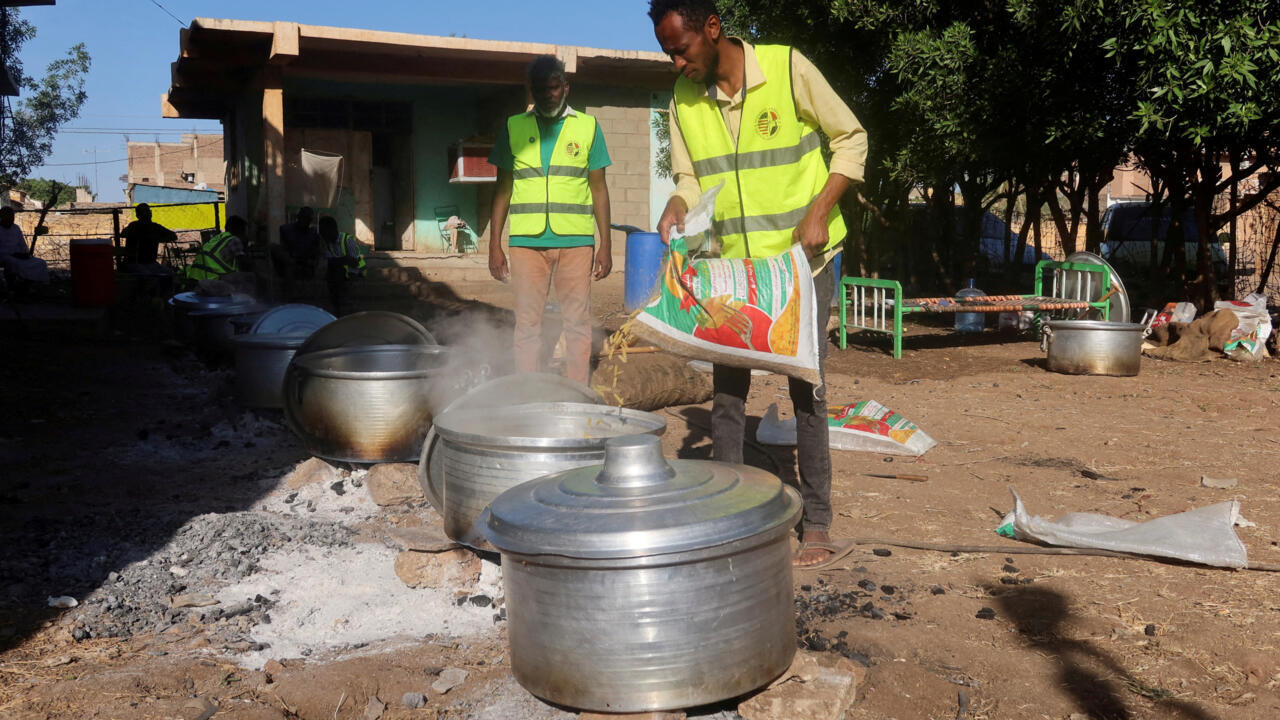

Sudan has announced its withdrawal from the Integrated Food Security Phase Classification (IPC) system, a key global monitoring initiative, just ahead of a report that is expected to confirm widespread famine across several regions of the country. The IPC, an independent body funded by Western nations and supported by major humanitarian organizations, is set to release a survey on Tuesday highlighting food insecurity in five areas, with projections that this could expand to 10 regions by May. The alarming forecast comes as the country faces an unprecedented deepening food crisis, exacerbated by ongoing conflict and poor access to humanitarian efforts.
In a formal letter to the IPC and its Famine Review Committee, Sudan’s Minister of Agriculture accused the system of issuing biased and unreliable reports that, according to the government, undermine the country’s sovereignty. Sudan’s government claims the IPC’s reports are not only inaccurate but also disregard key factors such as recent successful harvests and the country’s ongoing efforts to stabilize the agricultural sector. The decision to withdraw from the system comes as Sudan grapples with the complex dynamics of a civil war that has raged since April 2023, severely disrupting data collection and access to areas under the control of the warring factions, particularly the Rapid Support Forces (RSF).
Sudan’s pullout from the IPC system is seen as a major setback for global efforts to monitor and respond to food crises. The IPC’s primary function is to sound the alarm on severe food insecurity so that international organizations can intervene to prevent famine and widespread starvation. The system relies on field data, assessments of crop productivity, and malnutrition rates, which are critical for determining the severity of food insecurity. However, in Sudan, the conflict between the government and the RSF has led to significant difficulties in collecting and verifying data, particularly in areas controlled by the RSF, where humanitarian access is often blocked.
The government’s decision to exit the IPC comes amid mounting concerns over the situation in displacement camps, where some individuals have been reported to resort to eating tree leaves due to food shortages. At the Zamzam camp, where thousands of internally displaced persons (IDPs) have sought refuge, Reuters found evidence that the government had previously obstructed the IPC’s data collection efforts. These developments underscore the dire situation many Sudanese face as the conflict and humanitarian crisis escalate.
Sudanese authorities have also expressed dissatisfaction with the IPC’s methodology, pointing out that the reports lack updated data on malnutrition levels and fail to consider the successes of the recent growing season. Sudan’s agriculture minister has insisted that the 2024 harvest was productive and that the situation may not be as severe as the IPC’s forecasts suggest. This sentiment reflects the government’s desire to present a more optimistic view of the country’s food security, despite the ongoing challenges posed by the war.
The international community, however, remains concerned about the worsening conditions, particularly as the World Food Programme (WFP) struggles to meet the growing needs of Sudan’s population. An internal WFP report from mid-2024 highlighted several issues in scaling up its operations, including missed funding opportunities and ongoing challenges with fraud prevention. The report also noted that the WFP had encountered significant difficulties in accessing some of the most affected areas due to the security situation and bureaucratic barriers.
Beyond Sudan, the IPC has faced similar challenges in other conflict zones, including in Yemen and Myanmar, where governments have suppressed or falsified data or blocked access for independent assessments. In Ethiopia, the government suspended its cooperation with the IPC following a 2021 report that highlighted the scale of food insecurity in the country, with more than 350,000 people facing catastrophic hunger.
Sudan’s decision to withdraw from the IPC could significantly undermine efforts to address the growing hunger crisis. The move places the country in a difficult position, as it limits international visibility and the ability of humanitarian organizations to assess and respond effectively to the escalating situation. While Sudan maintains that its sovereignty has been undermined by the IPC’s reports, the broader impact of this withdrawal could be felt by the millions of Sudanese citizens who are already struggling to survive in a context of war, displacement, and a deepening food insecurity crisis. As the country’s food crisis deepens, the international community remains on high alert, urging for increased cooperation and transparency to prevent further suffering.


