
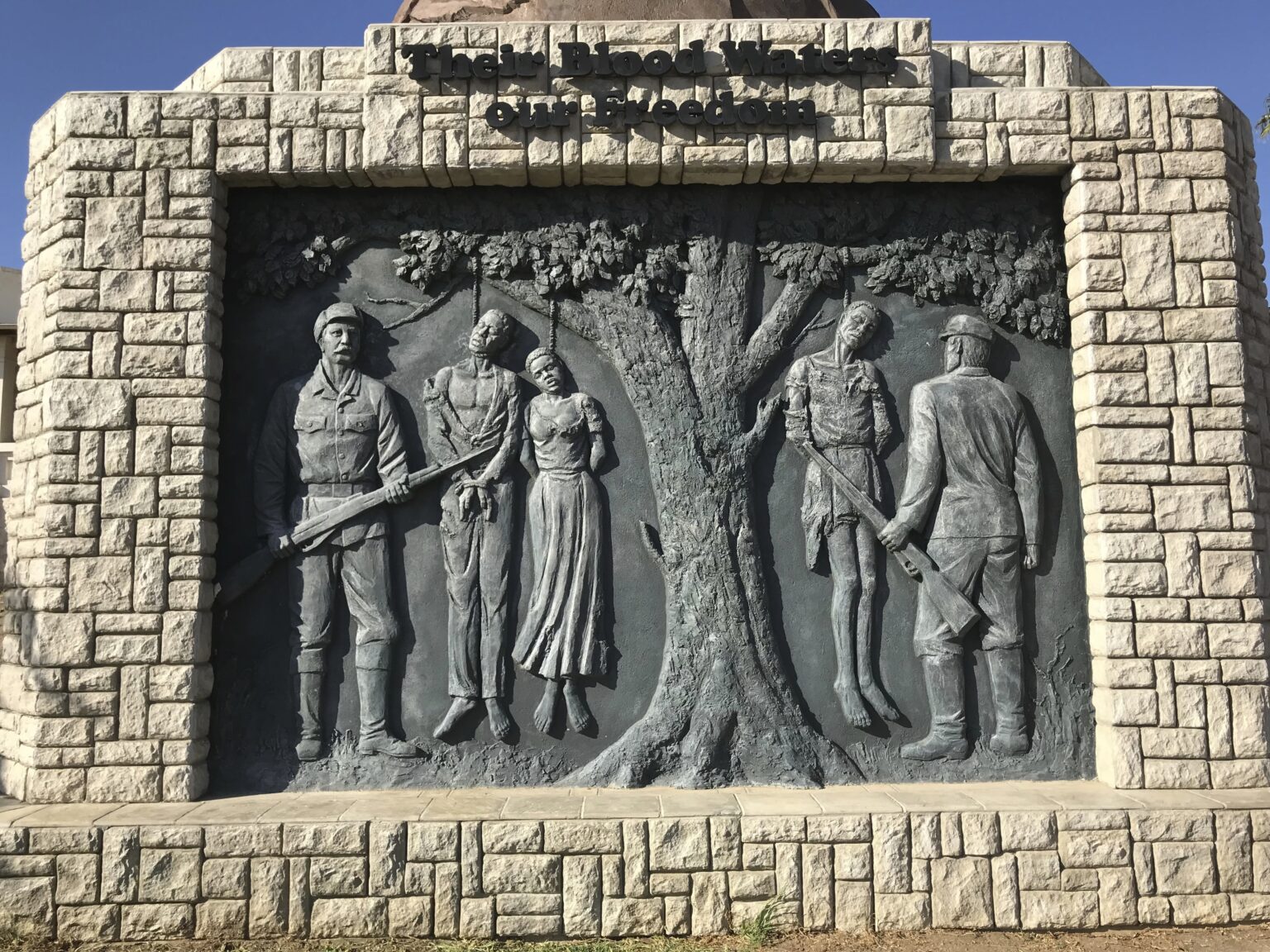

Namibia’s national calendar carries two days that look back at defining moments in the country’s history: Heroes’ Day, which honours those who fought for independence, and Genocide Remembrance Day, dedicated to victims of mass killings carried out by German colonial forces more than a century ago.
Together, the two commemorations reflect different chapters of Namibia’s struggle — the fight against colonial rule and the campaign to preserve the memory of communities that suffered under it.
Heroes’ Day, observed annually on Aug. 26, is one of Namibia’s most significant national occasions. It commemorates those who lost their lives in the struggle for independence from South African rule and recognises the sacrifices made during the liberation movement.
The day is closely associated with the armed struggle launched by the South West Africa People’s Organisation, or SWAPO, against South African administration. Namibia eventually gained independence in 1990 after decades of political and armed resistance.
But Namibia’s history of violence stretches further back.
Between 1904 and 1908, German colonial forces carried out mass killings and brutal campaigns against the Herero and Nama peoples in what was then German South West Africa. Thousands were killed, while others were driven from their lands, imprisoned or subjected to conditions that caused widespread deaths.
The atrocities are widely recognised by historians and governments as the first genocide of the 20th century.
Genocide Remembrance Day provides a national occasion to honour those who died and to keep the history of the colonial-era killings in public memory. The commemoration has also remained closely linked to calls for recognition, reparations and greater participation by descendants of the affected communities.
The issue has at times been contentious.
Representatives of Herero and Nama descendants have criticised aspects of negotiations between Namibia and Germany over the colonial-era genocide, arguing that descendants of the victims should have a central role in discussions concerning an issue that directly affects their communities.
Germany formally recognised the killings as genocide in 2021 and agreed with Namibia on a reconciliation framework that included financial support for development projects. The agreement, however, has faced criticism from some descendants’ organisations, which have argued that they were not adequately involved in the process.
The dispute illustrates how the legacy of colonial violence remains relevant more than a century after the killings.
For Namibia, the two national days therefore serve different but connected purposes. Heroes’ Day focuses on the sacrifices made during the struggle for independence, while Genocide Remembrance Day looks further back to communities whose lives were devastated during German colonial rule.
Both commemorations place historical memory at the centre of Namibia’s national identity — while also highlighting the continuing debate over whose voices should shape how that history is remembered.


