
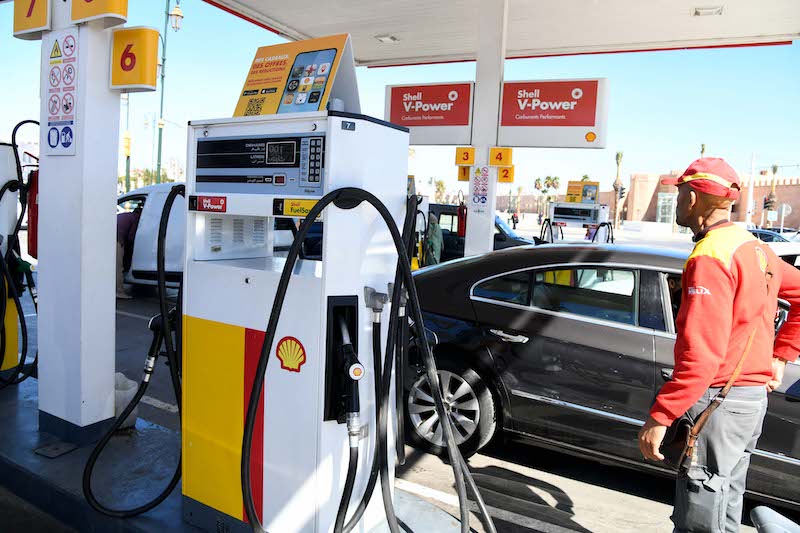

Morocco is introducing new rules for licensing fuel stations that encourage the use of renewable energy, as the country seeks to align its transport and energy infrastructure with its broader transition away from fossil fuels.
The framework, due to take effect on Oct. 31, will standardise licensing procedures and move applications to a digital platform. Investors will be required to submit technical, legal, economic and environmental documents as part of the approval process.
The rules encourage operators to meet some or all of their electricity needs through renewable sources, either through self-generation or by purchasing green power. The measures could also support the development of facilities serving electric and hybrid vehicles as demand for cleaner transport grows.
Aymane Mourabet, a Moroccan journalist and researcher in political science and international relations, told DNE Africa that the decision reflected both Morocco’s growing energy needs and international trends towards cleaner infrastructure.
“The decision moves the energy transition from isolated initiatives towards practical implementation across everyday infrastructure,” Mourabet said.
He explained that the changes were also intended to anticipate growth in industries linked to alternative energy, particularly electric vehicles, while supporting Morocco’s preparations for the 2030 FIFA World Cup, which the country will co-host.
Also, Mourabet said demand for electric vehicles was rising rapidly, citing sales of 19,611 units in the first half of the year, up 97.1% from the same period in 2025.
Morocco is targeting a 52% share of renewables in its electricity mix by 2030, rising to 70% by 2050, as it seeks to reduce its reliance on fossil fuels.
Mourabet further noted that the new framework could create investment opportunities and open new energy markets but cautioned that its implementation should extend beyond major urban and industrial centres.
“There needs to be a comprehensive national strategy to ensure that the benefits of the energy transition reach different regions and are not concentrated in a limited number of areas,” he said.
Morocco’s energy strategy is increasingly linked to its industrial ambitions, particularly the expansion of its automotive sector. Mourabet said the country’s position in global supply chains required continued investment in energy and industrial infrastructure that meets changing international and continental standards.
The new rules form part of Morocco’s wider efforts to combine energy transition, industrial development and infrastructure investment as it prepares for rising demand for cleaner sources of power and transport.


