
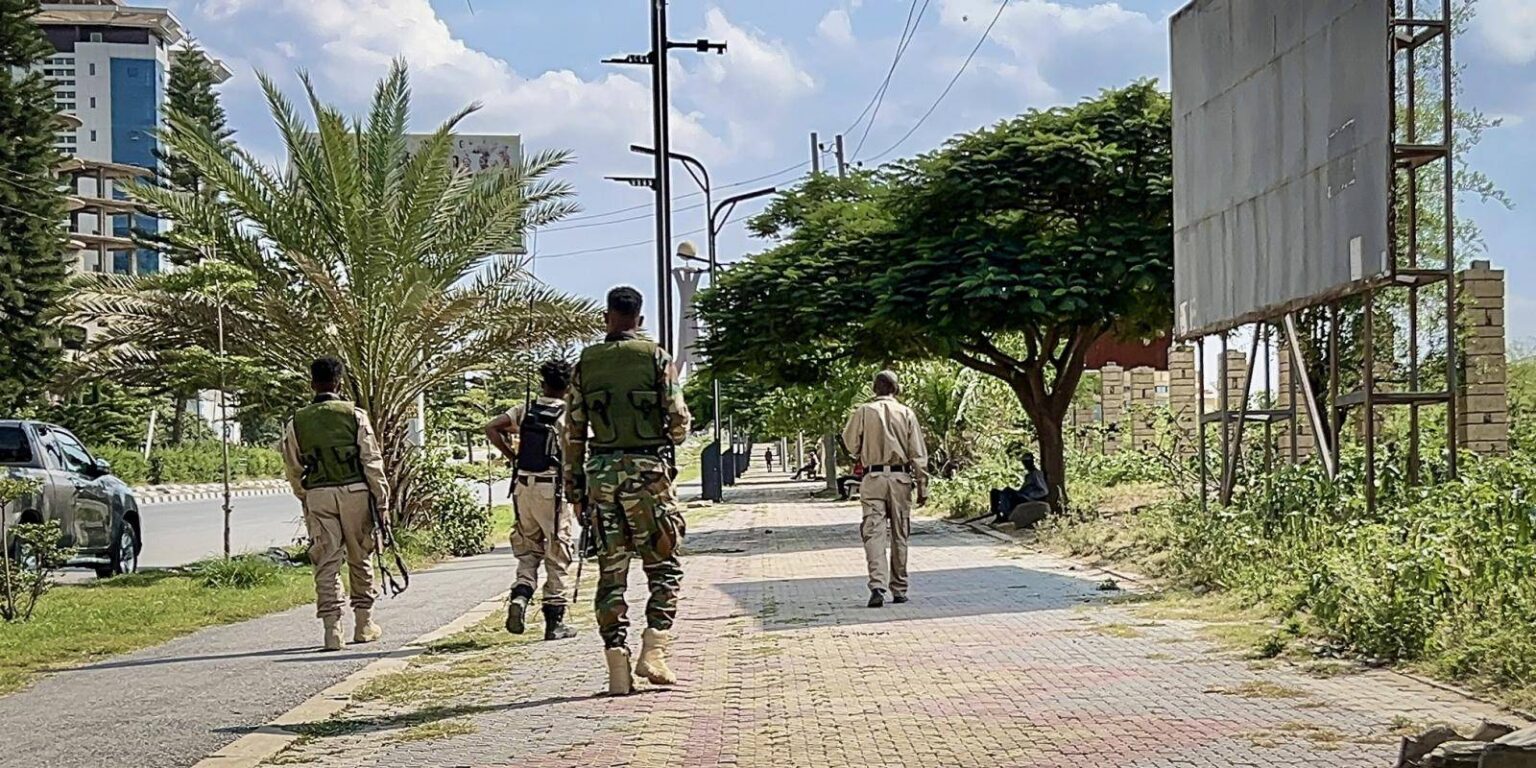

A new study by African Narratives warns that Ethiopia is teetering on the edge of a complex, multi-front war as shifting armed alliances and diplomatic ruptures fundamentally redraw the country’s conflict map.
Authored by political researcher Farouk Hussein Abu Deif, the African Narratives study argues that Ethiopia’s crisis can no longer be viewed as a binary standoff between Addis Ababa and the Tigray People’s Liberation Front (TPLF). Instead, the nation is descending into a multi-actor confrontation where domestic violence is increasingly intertwined with broader Horn of Africa and Red Sea rivalries.
According to the African Narratives study, the November 2022 Pretoria Agreement acted merely as a pause in hostilities, leaving core grievances—such as disputed territories and transitional justice—unresolved. The report describes the post-war environment as a “frozen” conflict that is now actively erupting across new fronts.
Unprecedented armed alliances challenge Ethiopia
The most significant development identified in the African Narratives study is a dramatic realignment of armed actors, culminating in the September 2026 formation of the Ethiopian People’s Forces for Survival Alliance. The study details how this coalition unites former bitter adversaries, including TPLF-linked forces, Amhara Fano factions, the Oromo Liberation Army (OLA), and Afar armed groups.
While Abu Deif cautions against overstating the alliance’s political cohesion, the African Narratives study notes that even loose, tactical coordination is forcing the federal government to overstretch its military deployments across Tigray, Amhara, Afar, and Oromia simultaneously.
Widening conflict and economic strain on Ethiopia
The African Narratives study outlines seven defining features of the current escalation. These include the return of Tigray as the epicentre of fighting, the introduction of drone strikes deep within contested territories, and the growing threat to the Semera-Djibouti trade corridor, which serves as a critical economic artery for the landlocked nation.d
Economically, the African Narratives study highlights the severe toll of a prolonged war. With national inflation surging to 15.3% as of July 2026, the report warns that the conflict threatens to derail impending debt restructuring efforts, spike import costs, and divert essential public funds toward security expenditures.
Furthermore, the African Narratives study emphasizes the alarming regional dimension of the crisis. Recent tit-for-tat diplomatic expulsions with Eritrea and Egypt, coupled with mutual accusations of foreign interference, increase the likelihood of proxy conflicts or direct interstate confrontation.
Concluding with six potential scenarios, the African Narratives study warns that the gravest danger for Ethiopia is the gradual erosion of the federal government’s monopoly on force. If regional armed actors continue to forge alliances and secure territory outside formal state institutions, the study cautions that Ethiopia could transition from experiencing domestic insurgencies to becoming the focal point of a lasting, multi-state regional crisis.


