
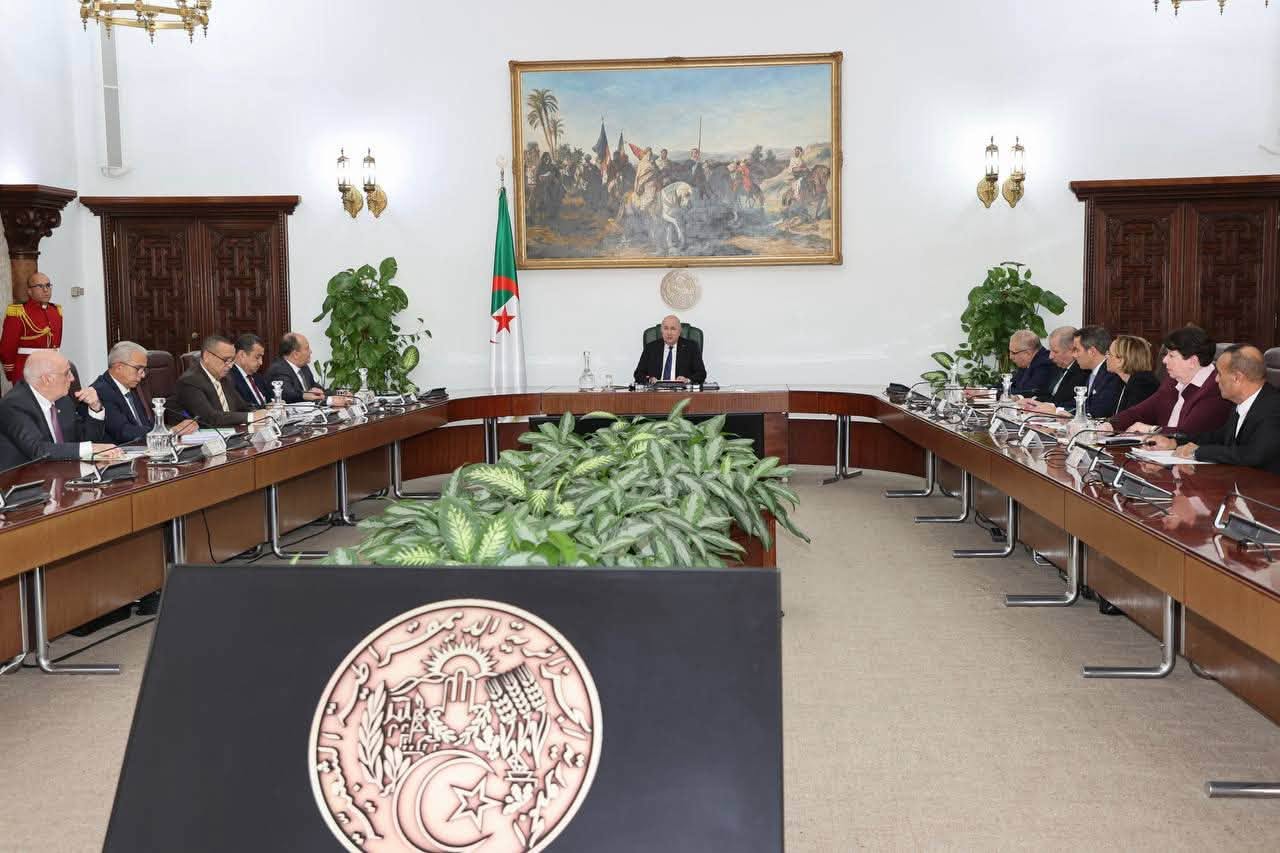

Algeria fertiliser imports will end completely in 2028 once the Bled El Hadba phosphate mine enters production at the end of 2027, the Algerian presidency said on 24 November after President Abdelmadjid Tebboune chaired a meeting on fertiliser production.
The Algeria fertiliser target puts a date on the country’s plan to turn its phosphate reserves into fertilisers at home, part of a push to earn more from mining and rely less on oil and gas, which supply most of its export revenue.
What did the presidency decide on Algeria fertiliser production?
At the working meeting, it was decided that concentrated phosphate production would enter the marketing stage in the first quarter of 2027, according to a presidency statement carried by the APS state news agency.
“With the Bled El Hadba mine entering production in late 2027, Algeria will have completely dispensed, in 2028, with importing fertilisers and compound fertilisers,” the statement said (translated from Arabic). It gave no figures for current imports.
The president also discussed a project to increase helium production, the statement said, without giving details.
What is the Bled El Hadba phosphate project?
Bled El Hadba, in Tebessa province near the Tunisian border, is the mine at the heart of an integrated phosphate project, put at about $7bn in industry reports, that runs from extraction in the east to processing and fertiliser plants and an export terminal on the coast.
In April, Mr Tebboune ordered that phosphate exports from the mine start by March 2027 at the latest, and that work begin immediately on processing units and storage at the site, according to the Council of Ministers. He has said the project will raise Algeria’s annual phosphate output from 2.5mn tonnes to 10.5mn tonnes.
The cabinet said on 22 November that the railway linking the mine to the port of Annaba and a new mining quay there are due to be completed in the first quarter of 2027, as DNE Africa reported. The line is part of a wider railway investment programme.
Why does Algeria fertiliser self-sufficiency matter?
Algeria already produces and exports nitrogen fertilisers such as ammonia and urea, made from its natural gas. Phosphate-based and compound fertilisers, which combine nitrogen, phosphorus and potassium, are the products the presidency now says domestic output will replace.
Ending Algeria fertiliser imports would save foreign currency and give Algerian farmers a domestic supply at a time when the government is trying to raise cereal output and cut its food import bill. Fertiliser prices rose sharply after Russia’s invasion of Ukraine in 2022, exposing import-dependent countries across the continent.
The Algeria fertiliser timetable is the presidency’s forecast. Large mining and processing projects often slip, and the 2028 target depends on the mine, the processing plants, the railway and the port all coming on stream as planned.
What about helium?
Algeria is one of the world’s main helium producers, recovering the gas from natural gas processing, according to data from the US Geological Survey. Helium is used in medical scanners, semiconductor manufacturing and space programmes, and supply has been tight in recent years.
The meeting came days before Algerians vote in local elections on 28 November. The presidency did not say when the next update on the Algeria fertiliser programme would be given.
FAQ
When will Algeria fertiliser imports stop?
The Algerian presidency said on 24 November that Algeria will stop importing fertilisers and compound fertilisers in 2028, once the Bled El Hadba phosphate mine enters production at the end of 2027.
When will Algeria start selling concentrated phosphate?
Concentrated phosphate production is due to enter the marketing stage in the first quarter of 2027, according to the presidency statement.
Where is the Bled El Hadba mine?
It is in Tebessa province in eastern Algeria, near the border with Tunisia. A railway is being built to carry its phosphate to the port of Annaba.
Does Algeria already export fertiliser?
Yes. Algeria fertiliser exports are mainly nitrogen products such as ammonia and urea, made from natural gas. The new plan targets phosphate-based and compound fertilisers.


